Views: 0 Author: Site Editor Publish Time: 2026-03-25 Origin: Site


Table of Content
What Is Modified Atmosphere Packaging?
Why Modified Atmosphere Packaging Is Important
How Modified Atmosphere Packaging Works
The Types of Modified Atmosphere Packaging Systems
Common Products That Use Modified Atmosphere Packaging
Equipment Used in Modified Atmosphere Packaging
Key Benefits of Modified Atmosphere Packaging
Keeping food fresh during transport, storage, and retail display is one of the most persistent challenges in the food industry. Back in the day, industry players simply sealed products and exposed them to ambient air. And while it worked for a while, the process left food vulnerable to oxidation, microbial growth, and accelerated spoilage.
Modified Atmosphere Packaging (MAP) addresses this challenge head-on by replacing the air inside a package with a precisely controlled gas mixture, creating an environment specifically engineered to preserve food quality for longer.
For anyone looking to supercharge their food transport, this article covers everything you need to know about MAP: how it works, why it matters, the different systems available, what foods it protects best, and the machinery required to implement it effectively on a modern packaging line.
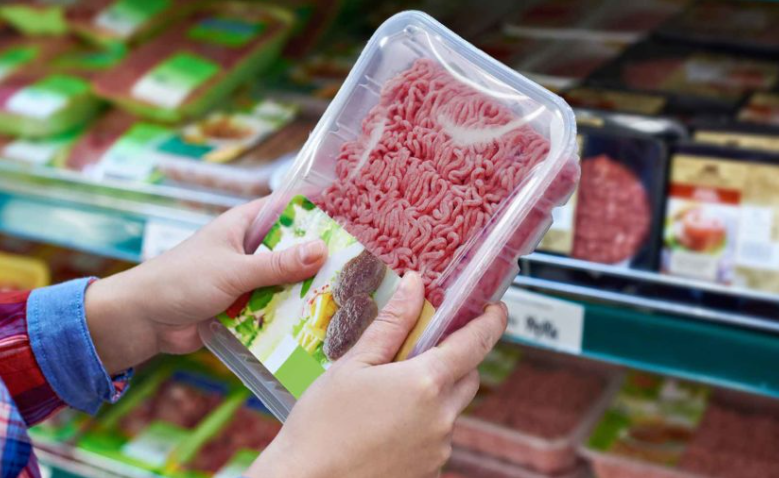
Modified Atmosphere Packaging is a food preservation technique that replaces the natural air inside a package with a controlled mixture of gases. The goal here is to slow the chemical reactions and microbial activity that cause food to deteriorate, thereby extending shelf life and maintaining product quality from production through to the consumer's table.
So here’s the thing - standard atmospheric air is made up of approximately 78% nitrogen, 21% oxygen, and trace amounts of other gases, including carbon dioxide. For many food products, this composition is far from ideal. Oxygen, in particular, drives oxidation and supports the growth of aerobic bacteria and molds. MAP takes control of this variable by substituting a tailored gas blend that is far more hospitable to the food, and far less hospitable to the microorganisms that spoil it.
In traditional packaging, food is sealed within whatever air happens to be present at the time of packaging. The product is immediately exposed to oxygen-driven degradation. MAP, by contrast, actively manages the internal atmosphere of each package. Rather than accepting the ambient environment, MAP replaces it entirely, giving manufacturers direct control over the conditions in which their products are stored.
There are three primary gases used in MAP systems, and each of them serves a distinct function:
Oxygen (O₂): While oxygen is generally the enemy of freshness, it plays an important role in certain applications. For fresh red meat, a high-oxygen environment maintains the bright red oxymyoglobin color that consumers associate with quality.
Carbon Dioxide (CO₂): CO₂ is a potent inhibitor of bacterial and mold growth, making it a cornerstone gas in MAP. It dissolves into food moisture and creates an acidic environment unfavorable to spoilage organisms. Concentrations typically range from 20% to 60%, depending on the product.
Nitrogen (N₂): An inert gas, nitrogen is primarily used as a filler to prevent package collapse (since CO₂ can be absorbed by the food) and to displace oxygen where oxidation needs to be avoided. It also adds a protective cushion to fragile products like snack foods.
MAP has become a widely adopted standard in the food industry because it delivers tangible, measurable benefits across the supply chain. From the factory floor to the retail shelf, its advantages touch nearly every aspect of food production and distribution.
The most significant benefit of MAP is the dramatic extension of shelf life it provides. By reducing oxidation, inhibiting microbial growth, and controlling the rate at which food respires, MAP can extend the usable life of fresh products by days, weeks, or even months depending on the product type. Fresh poultry packaged in MAP, for instance, may last two to three times longer than the same product packaged conventionally.
Shelf life extension is only valuable if the quality of the product is preserved alongside it. MAP achieves both. By controlling the atmosphere inside the package, MAP prevents discoloration, retains natural flavors and aromas, maintains texture, and reduces moisture loss. A loaf of bread packaged with nitrogen remains soft and free of mold long after a conventionally packaged equivalent would have spoiled. Fresh herbs retain their color and fragrance. Cheese stays firm without the surface drying and cracking that occurs in open-air packaging.
Food waste is a global challenge with serious economic and environmental consequences. Longer shelf lives mean fewer products are discarded before they can be sold or consumed. For retailers, this translates to lower shrinkage and higher margins. For manufacturers, it means fewer recalls and returns. For consumers, it means the food they purchase actually makes it to the table rather than the bin.
Modern supply chains are global in scope. A food producer in one country may be distributing products across multiple continents. MAP makes this possible by ensuring that products can withstand the extended transit times involved in long-distance logistics without degrading in quality. This opens export opportunities that would simply not be viable with conventional packaging.
Consumer demand for clean labels—products made without artificial additives—has grown significantly in recent years. MAP offers a natural preservation alternative that achieves comparable or superior shelf-life extension without chemical preservatives. This allows manufacturers to market their products as cleaner and more natural while still meeting the practical demands of distribution and retail.
Packages filled with MAP gas maintain their shape and visual appeal on the retail shelf. There is no package collapse, no browning of the product visible through the film, and no pooling of moisture that signals deterioration. Products simply look better, which directly influences consumer purchasing decisions.
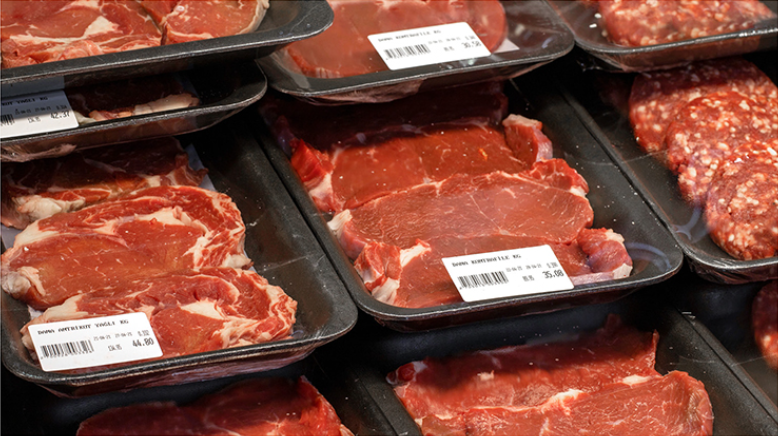
Understanding the mechanics of MAP helps clarify why the technology is so effective and why proper equipment and execution are essential to achieving consistent results.
Product preparation: Food products are placed into the appropriate packaging container; whether a rigid tray, flexible pouch, or flow-wrap format.
Air removal: The modified atmosphere packaging machine removes the ambient air from inside the package. Depending on the system, this may involve a full vacuum or a partial evacuation.
Gas flushing: The selected gas mixture is injected into the package to replace the air that was removed. The composition of this mixture is determined by the specific food product and its preservation requirements.
Sealing: The package is sealed immediately after gas injection to lock in the modified atmosphere. The integrity of this seal is critical; any breach allows outside air to enter, instantly compromising the protective environment.
There is no one-size-fits-all gas mixture for MAP. The optimal ratios depend on the product's biology, chemistry, and physical characteristics. Some general examples include:
Fresh red meat typically uses a high-oxygen mix (around 70–80% O₂) to maintain myoglobin in its oxygenated, red form, alongside CO₂ to inhibit bacterial growth.
Processed meats and cooked products often use low-oxygen or oxygen-free mixtures, relying on CO₂ and N₂ to inhibit aerobic spoilage without the color considerations of fresh meat.
Cheese benefits from high CO₂ concentrations to prevent mold, with nitrogen making up the balance.
Snack foods such as chips and crisps are typically packed in pure or near-pure nitrogen to prevent oxidative rancidity and protect the product's fragile structure during transit.
The modified atmosphere inside a MAP package is only as effective as the seal that contains it. A seal could fail for several reasons, ranging from contamination of the seal area to equipment malfunction and other material defects. Once this happens, oxygen and other atmospheric gases infiltrate the package, neutralizing the preservation benefits almost immediately. This is why high-quality sealing equipment, consistent maintenance, and regular quality checks are non-negotiable components of any MAP operation.
MAP is not a single technology but a family of related approaches, each suited to different products, production volumes, and packaging formats. Understanding the distinctions helps manufacturers select the right system for their specific needs.
Gas flushing is the most widely used MAP method. The modified atmosphere packaging machine introduces a stream of the desired gas mixture into the package as it is being sealed, displacing the ambient air through a flushing action before the seal is completed. This approach is straightforward, fast, and compatible with high-speed production lines. It is commonly used for products like snack foods, baked goods, and fresh produce.
In this approach, the package is first subjected to a vacuum to remove as much air as possible before the gas mixture is injected. The vacuum step improves the precision of the final atmosphere, as less residual oxygen remains in the package before the gas is introduced. This results in tighter control over the internal environment and is particularly valuable for products like meat and seafood where oxygen levels must be carefully managed.
Passive MAP relies on the natural respiration of the food product itself to gradually modify the internal atmosphere of the package over time. No gas injection is involved. Instead, the packaging film is selected for specific gas permeability characteristics that allow oxygen and carbon dioxide to move across the membrane at a rate that naturally balances with the product's respiration. This method is commonly used for fresh fruits and vegetables, where the right equilibrium can significantly slow ripening and deterioration.
Active MAP involves the deliberate injection of a specific gas mixture rather than relying on passive diffusion. This approach gives manufacturers precise, repeatable control over the packaging atmosphere from the moment the package is sealed. It is the standard method for high-value, perishable products such as fresh meat, seafood, and dairy, where even small deviations in gas composition can significantly affect product quality and safety.
MAP's versatility has made it indispensable across a wide range of food categories. Its ability to be tailored to the specific preservation requirements of each product type makes it uniquely suited to the diversity of the modern food industry.
Fresh Meat and Poultry: High-oxygen MAP maintains the bright red color that consumers associate with fresh meat while CO₂ suppresses bacterial growth. This combination is standard in retail meat packaging throughout the world.
Seafood: Fish and shellfish are highly perishable products with short natural shelf lives. CO₂-rich atmospheres are effective at slowing the bacterial growth that causes seafood to spoil rapidly, while nitrogen helps maintain package structure.
Fresh Fruits and Vegetables: Produce continues to respire after harvest, consuming oxygen and producing CO₂. MAP, especially passive MAP with appropriate film selection, creates a low-oxygen, elevated-CO₂ environment that slows this process, extending the life of fresh produce significantly.
Baked Goods: Bread, pastries, and other baked goods benefit from nitrogen-based MAP that prevents mold growth and keeps products soft and fresh. Without MAP, mold spores present in commercial bakery environments would limit shelf life to just a few days.
Ready-to-Eat Meals: The convenience meal sector relies heavily on MAP to maintain the freshness and food safety of multi-component products that contain proteins, vegetables, sauces, and starches in a single package. MAP allows these products to remain shelf-stable for the refrigerated distribution cycle without artificial preservatives.
Snack Foods: Chips, crackers, nuts, and similar products are susceptible to oxidative rancidity, which develops when fats in the product react with oxygen. Nitrogen-flushed MAP eliminates the oxygen that drives this process, keeping snack foods crisp, flavorful, and shelf-stable for months.
Pet Food and Treats: Pet food, particularly fresh, raw, or freeze-dried formats, benefits from MAP in much the same way as human food products. Controlled atmospheres extend shelf life and preserve the nutritional value and palatability that pet owners expect.
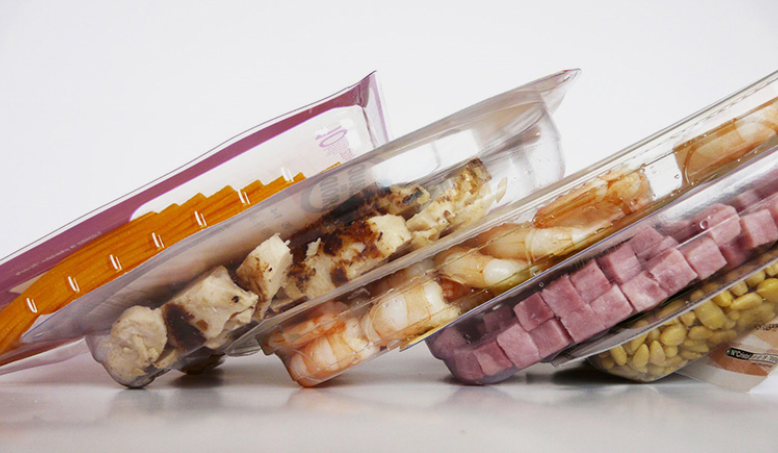
Effective MAP implementation requires specialized machinery capable of handling gas mixtures with precision, maintaining seal integrity at high speeds, and integrating into broader production and traceability systems. The following are the core equipment types found in MAP-enabled packaging lines.
These machines form the heart of a MAP system. They introduce controlled gas mixtures into packages immediately before or during sealing. Key features include integrated gas mixing systems that blend gases to the required ratio, precise flow control mechanisms that ensure consistent atmosphere composition across every package, and high-speed operation that keeps pace with industrial production demands. Advanced models include real-time monitoring of gas concentrations and automatic adjustment to maintain target ratios.
For applications requiring vacuum MAP, dedicated vacuum packaging machines evacuate the package before gas injection. These machines provide a higher degree of atmospheric control than gas flush alone, as the vacuum step removes residual oxygen that gas flushing might leave behind. They are particularly valuable for meat and seafood applications where oxygen levels must be maintained below specific thresholds for both quality and safety reasons.
After the gas atmosphere has been established, packages must be sealed rapidly and reliably to contain it. Band sealers and heat sealers are the workhorses of this process. Band sealers use a continuous conveyor mechanism to pass packages through heated sealing rollers, making them ideal for high-volume operations where a continuous stream of packages requires sealing. Heat sealers apply controlled heat and pressure to fuse packaging materials at the seal point, creating hermetic closures that are resistant to leakage under normal handling and distribution conditions.
Modern food packaging is subject to strict regulatory requirements around product identification and traceability. Coding and labeling machines integrate into MAP lines to print production dates, expiration dates, batch numbers, and barcodes or QR codes directly onto packages. These systems ensure that every package leaving the line is fully compliant with applicable food safety and labeling regulations, and that full traceability is maintained throughout the supply chain.
For retail-format MAP packaging, tray sealers and thermoforming machines are commonly used. Tray sealers apply a gas-flushed film lid to pre-formed trays containing the product. Thermoforming machines create both the bottom tray and top seal in a continuous process, offering high efficiency for large-volume operations. Both formats are well-suited to the fresh meat, dairy, and ready-meal sectors.
The cumulative case for MAP across the food industry is compelling. Its benefits extend beyond simple preservation to touch quality, economics, and sustainability simultaneously.
Significantly longer shelf life: Products remain fresh for extended periods, enabling more flexible logistics and distribution schedules.
Reduced or eliminated artificial preservatives: MAP provides a physical preservation method that reduces the need for chemical additives, supporting clean-label product development.
Better product quality at point of sale: Natural appearance, taste, texture, and aroma are preserved throughout the product's shelf life, not just at the time of packaging.
Improved food safety: Controlled atmospheres actively inhibit the growth of the bacteria and molds that pose the greatest food safety risks in perishable products.
Cost savings across the supply chain: Reduced spoilage translates to lower financial losses for manufacturers, distributors, and retailers alike.
Environmental benefits: Less food waste means fewer resources expended on food that is never consumed. This makes MAP not just a business solution but an environmentally responsible one.
For food manufacturers evaluating their packaging strategy, MAP represents a sound investment in product quality, operational efficiency, and long-term competitiveness. To learn more about the MAP-compatible machinery and packaging solutions available for your production line, visit Hualian Machinery or contact us.

 English
 简体中文
简体中文 ไทย
ไทย Pусский