Views: 0 Author: Site Editor Publish Time: 2026-04-02 Origin: Site


Table of Content
What Is Thermoforming Vacuum Packaging?
Why Thermoforming Vacuum Packaging Is Ideal for Fresh Meat and Cheese
What Features Should Buyers Look for in a Thermoforming Vacuum Packaging Machine?
What Should Meat and Cheese Processors Consider Before Buying?
Common Mistakes to Avoid When Choosing a Thermoforming Vacuum Packaging Machine
Fresh meat and cheese are two of the most commercially valuable and operationally demanding products in food processing. Both spoil quickly without the right conditions, both are vulnerable to contamination during handling, and both present real challenges when it comes to maintaining quality across a supply chain that may span several days between production and consumer purchase.
Over the years, thermoforming vacuum packaging has become one of the most effective answers to this problem. It extends shelf life, protects product quality, reduces waste across the supply chain, and produces consistent, retail-ready packs that hold their presentation through storage and transit. For processors investing in packaging equipment in 2026, understanding this technology and knowing which machine fits their operation is a commercially important decision.
This guide explains how thermoforming vacuum packaging works, why it is particularly ideal for fresh meat and cheese, what features buyers should evaluate, and which machines are the right fit for different production scales and requirements.

By itself, thermoforming vacuum packaging is a fully integrated process that forms, fills, seals, and cuts packs in a continuous automated workflow.
The machine starts with two rolls of flexible film; a bottom film and a top film. The bottom film is heated until it becomes pliable, then pressed or drawn into a mould to form the pack cavity. The product is loaded into that formed cavity, either manually or automatically, and then the machine removes the air from the pack, applies the top film, seals it with heat and pressure, and cuts the individual packs apart.
The result is a tight, airtight pack formed precisely around the product, with no excess air space and a consistent seal around the entire perimeter.
The standard vacuum packaging produced by chamber vacuum sealers works by placing a pre-formed bag into a chamber, removing the air, and sealing it. While it is effective, it tends to be slower, more labour-intensive, and less suited to high-volume or continuous production. Each pack requires individual handling, and the bags themselves must be sourced and loaded separately.
To counter this, thermoforming vacuum packaging forms the pack from roll stock in-line. This way, it eliminates the need for pre-formed bags, reduces handling steps, and enables continuous production at speeds that chamber vacuum sealers cannot match.
For processors running medium to high volumes, the productivity advantage of thermoforming is substantial. It also produces more consistent pack geometry, which is important for retail presentation and stacking efficiency. Finally, the method delivers more precise vacuum levels across every pack.
Fresh meat and cheese share several characteristics that make thermoforming vacuum packaging a strong fit.
For one, both products release liquid or fat that can compromise packaging integrity if not handled by a robust sealing system. Also, both are sensitive to oxygen exposure, which accelerates spoilage and colour change. They need packaging that holds its shape during cold chain distribution without deforming or leaking, and they both benefit enormously from a packaging format that extends shelf life since even a few extra days of retail display life can have a significant commercial impact on waste levels.
With its ability to preserve their qualities for much longer, thermoforming vacuum packaging has become the go-to method for packaging beef and cheese in the modern era.
The primary driver of spoilage in fresh meat and cheese is microbial activity, which is heavily influenced by the presence of oxygen. In an unsealed or poorly sealed environment, aerobic bacteria and moulds thrive, breaking down proteins and fats and producing the off-flavours and odours that indicate spoilage.
Thermoforming vacuum packaging removes the oxygen from around the product before sealing, dramatically slowing this process. The result is an extension in shelf life that can transform the economics of distribution.
Vacuum packaging does not just slow spoilage; it actively maintains the sensory qualities that determine whether a customer buys the product. Meat retains its colour more reliably in a controlled atmosphere, and cheese maintains its texture without the surface drying and rind development that occurs in open air.
The transparent film used in thermoforming also provides full product visibility. For retail packaging, this is commercially important; customers buy fresh meat and cheese partly based on what they can see, and a tight, clear, well-formed pack presents the product at its best. Thermoformed packs sit flat, stack efficiently, and arrive at the retail display in the same condition they left the processing facility.
An airtight thermoformed vacuum pack is a physical barrier against post-packaging contamination. Once the seal is closed, bacteria from the handling environment, from adjacent products, or from condensation cannot reach the product. This matters most in cold chain environments where products change hands multiple times and spend extended periods in distribution.
Waste in fresh meat and cheese distribution accumulates at every stage: in the processing facility, during transport, in the distribution centre, in the retail store, and at the consumer level. Packaging that extends shelf life compresses this waste at each point. Less product spoils before it reaches retail. Less product is pulled from shelves before it sells. Less is wasted by consumers who can use the product over a longer window after purchase.
For processors and retailers operating in markets where food waste reduction is a regulatory or commercial priority, thermoforming vacuum packaging is one of the most directly impactful operational decisions available.
The vacuum level achieved inside each pack directly determines how effectively spoilage is delayed. A machine with high-capacity vacuum pumps and reliable vacuum control produces consistent, deep vacuum levels across every pack in a run, which is what actually delivers the shelf life extension the format promises.
For meat and cheese applications specifically, vacuum consistency is non-negotiable. A machine that achieves variable vacuum levels across a run will produce variable shelf life results, which undermines the whole commercial case for the technology.
Meat and cheese packaging typically requires high-barrier films; multi-layer laminates that resist oxygen permeation and provide the mechanical strength to survive cold chain handling. The machine must run these films reliably at production speed without tearing, wrinkling, or misaligning. It should also accommodate a range of bottom film depths, since fresh meat portions and cheese blocks vary significantly in thickness and the cavity depth must match the product.
Any processor handling more than one product format needs a machine that can change moulds without excessive downtime. Removable, interchangeable mould systems allow a single machine to serve multiple packaging formats, which is particularly valuable for processors who are growing their product range or handling seasonal variety.
Meat and dairy processing environments have strict hygiene requirements. The machine's surfaces, channels, and cavities will accumulate product residue, and cleaning cycles are part of every production day.
A machine built from food-grade stainless steel and aluminium alloy, with smooth surfaces and an accessible design, can be cleaned efficiently and meets the hygiene standards that food safety regulations require.
The right production speed depends entirely on the processor's actual output requirements. The machine's rated capacity should match the operation's realistic throughput, not just its maximum ambition. At the same time, the level of automation (manual versus automatic product feeding, integrated cutting and labelling) should reflect what the production line can actually support and maintain.
PLC-controlled machines with touch screen interfaces give operators clear control over vacuum levels, sealing temperature, cycle speed, and forming depth. When these parameters are stored and recallable for each product format, changeover between products is faster and more consistent. Fault diagnosis systems that display alerts and guide operators through resolution reduce unplanned downtime, which is especially important in continuous-run food processing environments.
A thermoforming vacuum packaging machine runs for long periods in a food processing facility. The energy consumption of the vacuum pump, the heating elements, and the cooling system all contribute to operating cost over the machine's working life. Machines with efficient pump sizing, water-cooled sealing systems, and well-designed thermal management keep operating costs in proportion to output.
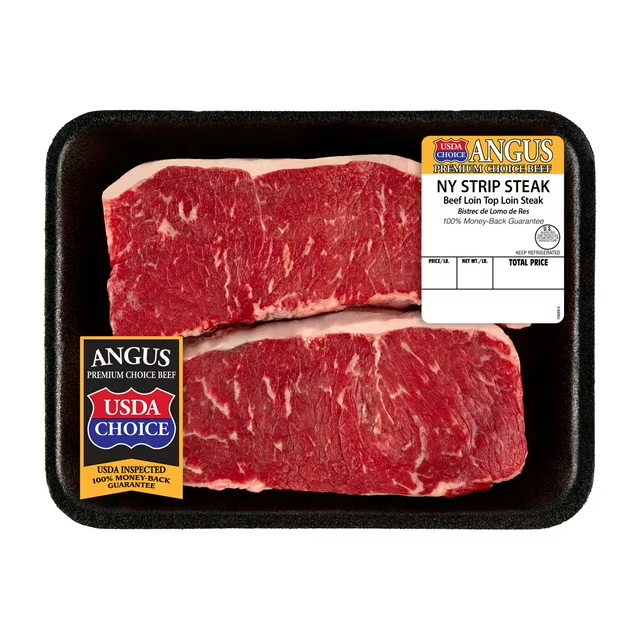
The physical differences between fresh meat, processed meat, hard cheese, and soft cheese translate into different packaging requirements.
Fresh whole cuts may need deeper cavities than sliced deli meat. Soft cheeses need film structures that handle moisture without degrading the seal. Some products benefit from modified atmosphere packaging, which requires the machine to support gas flushing capability. Define the product range clearly before evaluating machines.
Daily and hourly output requirements determine which machine tier is appropriate. A machine rated at 4–6 cycles per minute with a chamber that produces two to four packs per cycle can deliver substantial daily volume. But, that volume needs to match the actual operational requirement. Over-specifying for a small operation means underutilised capital; under-specifying creates a bottleneck that limits growth.
Thermoforming machines range from compact 3-metre footprints suitable for smaller facilities to 5-metre-plus systems designed for continuous industrial production. The machine needs to fit the available floor space and integrate logically with upstream product handling and downstream labelling, casing, and cold storage workflow. Map the physical line before committing to a machine size.
The purchase price is the starting point, not the finishing line. The ROI case for thermoforming vacuum packaging includes reduced waste across the supply chain, extended distribution reach, reduced labour versus manual packaging alternatives, and improved product quality at retail. When these benefits are quantified against the capital cost and operating cost of the machine, the financial case for investment often becomes considerably stronger than the upfront price suggests.
A food processing machine that runs daily needs a maintenance plan and a supplier who can support it. Confirm that spare parts are available with short lead times. Understand the recommended maintenance schedule and whether the supplier provides remote or on-site technical support. A machine that cannot be serviced promptly becomes a line-stopping problem in a production environment.
Focusing too much on price.
A cheaper machine that cannot maintain consistent vacuum levels, lacks the mould flexibility your product range requires, or proves difficult to clean and maintain will cost significantly more over its operational life than a better-matched alternative.
Ignoring product and pack requirements.
Remember that you want a machine that matches both the product's physical characteristics and the pack style your distribution chain requires.
Choosing a machine without enough flexibility.
If your product range is likely to expand, then a machine with limited mould options or a fixed chamber size will become a constraint. Building in flexibility at the point of purchase is always more economical than managing the limitations of an inflexible system later.
Overlooking hygiene and maintenance.
In meat and dairy processing environments, hygiene is not optional and maintenance is constant. Prioritise machines with food-grade construction, accessible design, and clear maintenance schedules.
Buying more capacity than the operation can use.
Match the machine to actual current production needs with realistic headroom for growth; not to an aspirational maximum that the operation is unlikely to reach in the near term.
The best thermoforming vacuum packaging machine for fresh meat and cheese is not the one with the most impressive specifications. Instead, it’s the one that matches the processor's product range, shelf-life requirements, production volume, facility constraints, and long-term growth plan.
Hualian’s HVR range provides this and much more. From smart features to safety accessories that protect the quality of your food, there’s something for every production scale in this range. Feel free to explore the HVR range in even more detail to see the complete options, or contact our team directly to discuss your product, your production scale, and which machine is the right starting point for your line.

 English
 简体中文
简体中文 ไทย
ไทย Pусский