Views: 0 Author: Site Editor Publish Time: 2026-07-02 Origin: Site


Table of Content
The 8 Main Vacuum and Sealing Styles
Packaging Terms That May Affect Your Choice
How to Choose the Right Packaging Style
Many businesses know they need packaging equipment, but the first question is often more basic: should the product go in a tray, bag, bottle, can, or formed pack?
That decision affects far more than the way the package looks. It can change how the product stays fresh, how it sits on the shelf, how much space it takes in storage, how easily it moves through transport, and how well it fits your production workflow.
A ready meal may need a tray because presentation and portion control matter. A meat portion may work better in a vacuum bag if compact storage is the goal. A delicate snack may need gas flushing instead of tight vacuum.
This guide compares the main vacuum and sealing styles businesses often consider, including tray MAP, tray vacuum, tray sealing, tray skin pack, bag gas flush, bag vacuum, bag sealing, and bottle or can sealing.
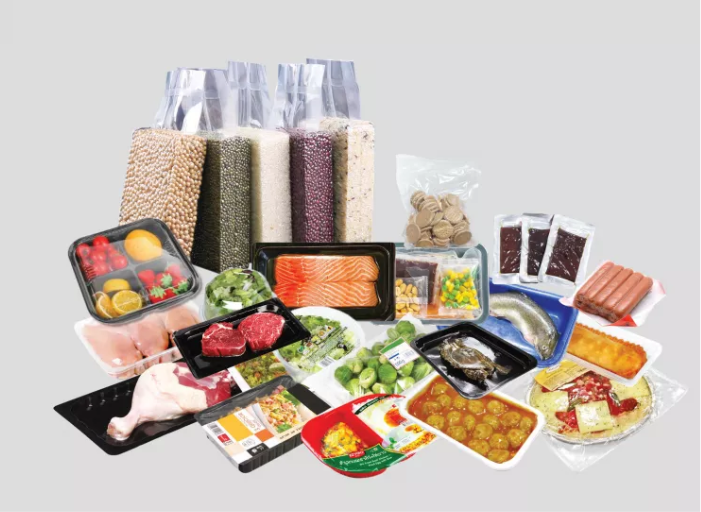
Packaging Style | Package Format | Best For | Main Goal |
Tray MAP | Tray with modified atmosphere | Fresh foods, ready meals, supermarket trays | Freshness support and retail presentation |
Tray Vacuum | Tray with air removed before sealing | Meat, seafood, chilled or frozen tray products | Tray support with reduced air exposure |
Tray Sealing | Tray with sealed top film | Meals, produce, bakery, takeaway foods | Clean closure and portion control |
Tray Skin Pack | Tray with close-fitting film | Premium meat, seafood, high-visibility products | Product hold and shelf appeal |
Bag Gas Flush | Bag with gas replacement before sealing | Snacks, coffee, powders, fragile products | Shape retention and product protection |
Bag Vacuum | Bag with air removed before sealing | Meat, cheese, sausages, frozen foods | Compact storage and freshness support |
Bag Sealing | Bag sealed without vacuum or gas | Dry goods, retail packs, hardware, daily-use goods | Simple secure closure |
Bottle/Can Sealing | Rigid bottle, jar, or can closure | Liquids, sauces, powders, supplements | Structure, stacking, and controlled dispensing |
Tray MAP is a tray-based packaging style where the product is sealed in a modified atmosphere. Instead of simply closing the tray, the package atmosphere is adjusted before sealing.
This style is commonly used when the product needs freshness support, shelf visibility, and a clean retail presentation. You might consider it for fresh meat, seafood, produce, ready meals, prepared meals, and supermarket food trays.
Choose tray MAP when your product needs to look good in a tray while also benefiting from atmosphere control. This is especially useful when appearance, shelf life, and retail handling all matter.
The tray gives the product shape and support. The top film protects the contents. The modified atmosphere helps create a package environment that supports freshness and presentation goals.
If you only need a basic tray closure, tray sealing may be enough. However, If the product needs freshness support and retail display, Hualian’s tray MAP packaging solutions may be a better fit.
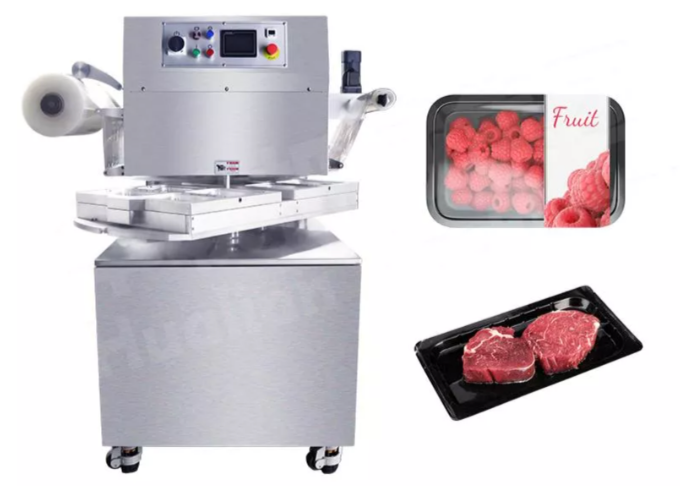
Tray vacuum packaging is a tray-based style where air is removed before sealing.
This style is useful when the product benefits from tray support but still needs tighter packaging and reduced air exposure. It can work well for meat portions, seafood, prepared foods, chilled tray products, and frozen tray products.
Choose tray vacuum when you want the product to remain in a defined tray format instead of a flexible pouch. The tray helps with portioning, stacking, and presentation, while vacuum helps reduce air inside the package.
This can be useful when the product needs a neater shape than bag vacuum packaging can provide. For example, a chilled portion, prepared food, or tray-based protein pack may need to stay organized in the tray for display, storage, or distribution.
Tray vacuum packaging is different from tray MAP. MAP adjusts the atmosphere inside the pack. Tray vacuum focuses on removing air before sealing. If your priority is tray support with reduced air exposure, Hualian’s tray vacuum packaging solutions are worth comparing.
Tray sealing is a packaging style where top film seals over the tray. Depending on the machine setup, the process may be simple heat sealing, or it may include vacuum or gas functions.
This is one of the most practical options when the product needs clean closure, convenience, portion control, and simple tray presentation. You might use it for meal trays, takeaway foods, produce trays, bakery trays, supermarket packs, prepared food portions, and other products that benefit from a tray format.
Choose tray sealing when you want the tray to do most of the packaging work. The tray holds the product shape, protects the portion, and gives the package a clean structure. The top film closes the pack and helps make it easier to stack, transport, display, or handle.
This style is often a good fit when you do not need the close product hold of skin packaging or the full atmosphere control of MAP. For products that need a simple tray format with clean film closure, Hualian’s tray sealing options can help you compare suitable setups.
Before choosing tray sealing, check the tray size, film type, sealing temperature, product moisture, output speed, and whether the product needs simple sealing, vacuum, or gas support.
Tray skin pack is a tray-based packaging style where the film fits closely around the product and the tray.
This style is often used when appearance, product hold, premium shelf presentation, and visibility matter. It can work well for fresh meat, seafood, premium food portions, high-visibility retail products, and products that need stable positioning inside the tray.
Choose tray skin pack when you want the product to stay firmly in place and remain clearly visible. The film follows the shape of the product more closely than standard tray sealing, which can create a clean, premium look.
This style can be especially useful when the product must look attractive from the shelf or display case. It also helps reduce movement inside the tray during handling and transport.
Bag gas flush is a bag packaging style where gas is added or replaced before sealing.
This style is useful when a tight vacuum pack may crush the product, flatten the package, or reduce visual appeal. You might consider it for snacks, coffee, powders, fragile products, lightweight foods, electronic parts, specialty ingredients, and products that need better package shape.
Choose bag gas flush when you want more control over the space inside the bag. Instead of removing as much air as possible and creating a tight pack, gas flushing can help protect the product shape or support a specific packaging goal.
For example, a fragile snack may need a cushion inside the bag. A powder may need a package that does not collapse too tightly. A product with a strong aroma, delicate texture, or specific presentation requirement may need a different approach from standard vacuum packing.
Bag gas flushing is not the same as bag vacuum. Bag vacuum focuses on air removal and compactness. If compression is a problem or the pack needs gas replacement, Hualian’s vacuum gas flushing packaging machine range gives you a better direction than standard vacuum sealing alone.
Bag vacuum packaging is a style where air is removed from a bag before sealing.
This is one of the most common vacuum packaging styles because it is practical, compact, and widely used across food and non-food products. It can be suitable for meat, seafood, cheese, sausages, dry foods, frozen foods, cooked food portions, spare parts, industrial components, and products that benefit from reduced air inside the package.
Choose bag vacuum when your main goals are compact storage, reduced air exposure, cleaner handling, and freshness support.
The bag format is flexible and space-saving. It can work well when the product does not need a tray for display or portion structure. Vacuum bags can also be easier to store, ship, or freeze because they usually take up less space than rigid packaging.
Bag vacuum is especially useful when you want the package to fit closely around the product. However, that tight fit is not always ideal. If your product is fragile, easily crushed, or needs a fuller package shape, bag gas flushing may be a better option. For products that do benefit from compact vacuum packing, Hualian’s vacuum packaging machine range covers several bag vacuum setups.
Bag sealing is a packaging style that closes the bag without necessarily using vacuum or gas flushing.
This style is useful when the product only needs a clean, secure seal. You might use it for dry goods, snacks, powders, granules, retail packs, small hardware, textiles, accessories, spare parts, daily-use products, and e-commerce items.
Choose bag sealingwhen air removal is not required. Some products simply need to stay contained, clean, and protected during storage or shipping. In those cases, a simple heat seal may be enough.
Bag sealing can also be useful when the product is already protected by the bag material itself, or when the package does not need a tight vacuum effect. It is often simpler than vacuum packaging and can support faster repeated sealing for pre-made bags or pouches.
Before choosing this style, check the bag material, seal width, product weight, sealing temperature, and whether the seal must support retail display or transport handling.
Bottle and can sealing is used for products packed in rigid containers such as bottles, jars, and cans.
This style is useful when the package needs structure, stacking ability, pouring convenience, controlled dispensing, or shelf stability. It can be suitable for liquids, sauces, powders, granules, supplements, beverages, bottled foods, canned goods, chemicals, cosmetics, and personal care products.
Choose bottle or can sealing when a flexible bag or tray does not fit the way the product is used. A liquid may need pouring control. A supplement may need a bottle or jar. A powder may need a rigid container that protects shape and allows repeated opening. A shelf-stable food may need a can or sealed container for distribution.
This packaging style is different from vacuum bag or tray packaging because the container itself provides structure. The sealing process must match the container material, closure type, product safety needs, and shelf requirements.
For bottles, jars, and similar rigid containers, Hualian’s induction sealing solutions are more relevant than bag or tray packaging equipment.
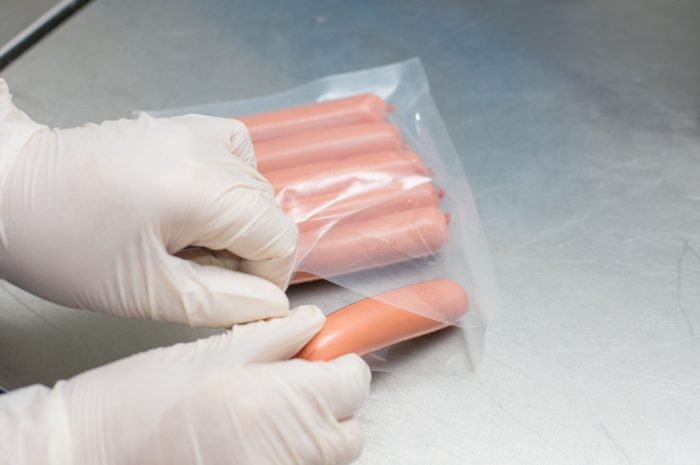
Some packaging terms overlap with the eight styles above. You do not need to master every technical detail, but these ideas can help you compare options more clearly.
Thermoforming packaging refers to forming the package material during the packaging process.
Instead of starting with a pre-made bag or tray, the machine forms the packaging from film. This is often used when businesses need higher automation, consistent pack shape, and better production efficiency.
You may consider thermoforming if your operation has enough volume to justify automated forming, loading, sealing, cutting, and finished pack output.
Vacuum skin packaging refers to a style where film closely follows the product shape.
It may appear in tray formats or formed-pack formats. This style is often used when premium presentation, strong product visibility, and stable product positioning are important.
If you want the product to remain highly visible and held firmly in place, vacuum skin packaging may be more suitable than standard tray sealing.
Modified atmosphere packaging is used when the package atmosphere is adjusted to support freshness and presentation.
It is common for fresh foods, ready meals, meat, seafood, produce, bakery items, and other products that need atmosphere control inside the package.
MAP may be used in tray formats, bag formats, or other packaging setups depending on the product and machine configuration.
Start with the product, then choose the package format.
Ask what the package needs to do after sealing. Does the product need to stay visible on a shelf? Does it need compact storage? Should it stay upright in a tray? Will a tight vacuum damage the product? Does the customer need to pour, scoop, reseal, or dispense it from the package?
Use these prompts to narrow your choice:
Choose tray packaging if your product needs presentation, portion control, structure, or retail display.
Choose tray skin pack if the product needs tight product hold and premium visibility.
Choose bag vacuum if the product needs compact storage and reduced air exposure.
Choose bag gas flush if the product should not be compressed too tightly.
Choose bag sealing if the product only needs simple closure.
Choose bottle or can sealing if the product needs a rigid container.
Choose thermoforming if your business needs higher automation and consistent pack forming.
Also think about product shape, moisture level, fragility, shelf-life target, retail display, storage method, production speed, and downstream handling.
For example, a delicate baked product may not be suitable for tight vacuum because the pack could crush it. A premium seafood portion may benefit from skin packaging because visibility and product hold matter. A liquid product may need a bottle, jar, or can. A high-volume factory may choose thermoforming because labor efficiency and pack consistency matter as much as the packaging style itself.
The right style should protect the product, fit the customer’s use case, and work smoothly with your production flow.
Vacuum packaging styles vary by product, package format, and presentation goal.
Tray MAP, tray vacuum, tray sealing, tray skin pack, bag gas flush, bag vacuum, bag sealing, and bottle or can sealing each serve a different purpose. Some styles focus on freshness support. Others are better for compact storage, tray presentation, gas replacement, simple closure, rigid-container packaging, or automated production.
The best choice depends on what your product needs after sealing. If the product needs shelf visibility and portion control, a tray format may be best. If it needs compact storage, bag vacuum may work better. If tight vacuum would damage the product, gas flushing may be more suitable. If the package needs structure or dispensing, bottle or can sealing may be the right direction.
Hualian offers packaging solutions across tray packaging, bag vacuum packaging, gas flushing, thermoforming, and sealing equipment, so you can match the packaging style to your product, output, and workflow.
Tray MAP seals the product in a modified atmosphere, while tray vacuum removes air before sealing. Tray MAP is often chosen for freshness support, shelf appearance, and retail presentation. Tray vacuum is useful when the product needs tray support with reduced air exposure.
Tray skin pack is used when the film needs to fit closely around the product and tray. It is often chosen for premium food portions, fresh meat, seafood, and high-visibility retail products that need strong product hold and clear presentation.
Bag vacuum removes air from the bag before sealing, creating a tighter and more compact package. Bag gas flush adds or replaces gas before sealing, which can help protect fragile products, reduce compression, or support package shape.
Simple bag sealing is enough when the product only needs a clean, secure closure and does not require air removal or gas flushing. It can work well for dry goods, retail packs, powders, granules, hardware, daily-use goods, and e-commerce products.
Thermoforming is a packaging process that forms the package from film during production. It can include vacuum, MAP, or skin packaging depending on the machine and product requirements. It is often used for higher automation and consistent pack forming.
Start with the product and how it needs to be stored, displayed, transported, or used. Then choose the package format. Trays are useful for presentation and portion control, bags are useful for compact storage or simple closure, gas flushing helps when tight vacuum is not suitable, and bottles or cans work best when the product needs a rigid container.

 English
 简体中文
简体中文 ไทย
ไทย Pусский