Views: 0 Author: Site Editor Publish Time: 2026-11-02 Origin: Site


When entering the plastic pellet business, the first step isn't finding a source of supply—it's determining exactly who your customers will be. Selling one ton of polypropylene (PP) to a film-blowing plant that produces food bags is an entirely different business from selling it to an injection-molding plant that manufactures automotive interior parts. The former prioritizes a stable melt flow index (MFI) and a low price, while the latter demands specific resin grades, detailed technical data sheets, and consistent quality across batches—with price being a secondary concern. Your downstream customers' requirements regarding materials, batch consistency, and delivery will dictate which types of plastic you should handle, what kind of upstream suppliers you need, how you manage your warehouse, and how you configure your packaging lines.
If you are planning to launch a business in the plastic pellet industry, be sure to walk through the key stages outlined in this article—with a special focus on packaging, an aspect often overlooked by newcomers.
Plastic pellets (often referred to in the industry as "granules") are the most common form in which plastic raw materials are traded. After polymerization in a chemical plant, the resin is extruded, drawn into strands, cut into small, millimeter-sized pellets, and then bagged for shipment. Why this form? Because pellets are easy to handle, allow for precise measurement, and can be poured directly into the hoppers of injection-molding or extrusion machines. Downstream products—ranging from bags, bottles, and pipes to device casings and automotive components—all begin as these small pellets.
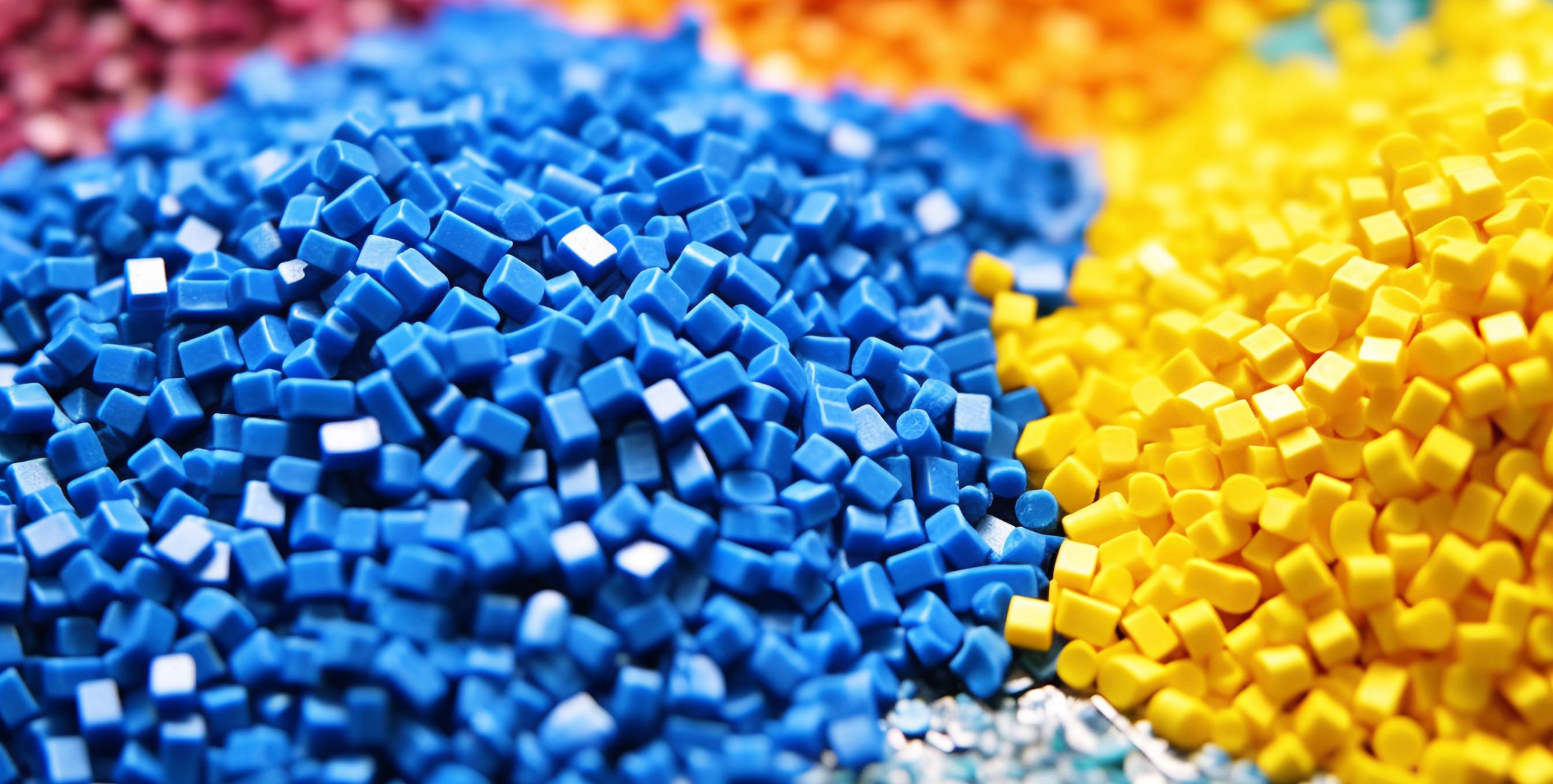
Plastic pellets are used across a diverse range of sectors, including packaging, construction materials, home appliances and electronics, automotive, healthcare, and consumer goods. Packaging is a major application for plastics; Grand View Research estimates that by 2025, the packaging sector will account for approximately 36% of global plastic market revenue. The packaging industry primarily consumes commodity plastics such as PE, PP, PET, and PS, while the construction sector focuses mainly on PVC, PE, and PP. For those looking to enter the plastic pellet business, a practical piece of advice is to first identify a downstream industry you are already familiar with, and then determine which specific materials are required. This approach is far more reliable than simply hoarding whatever material happens to be trending at the moment. While commodity plastics offer high volume, they also attract the most competition—meaning success in this space depends on cost management and inventory turnover.
The plastic pellets available on the market generally fall into the following categories. It should be noted that these classifications are not mutually exclusive; a single type of pellet may simultaneously be an "engineering plastic" and a "modified plastic," or it may exist as an "alloy." It is more accurate to view these as different perspectives for categorization.
1. Commodity Plastics: Commodity plastics are characterized by high production volumes and low barriers to entry. Common types include PP, HDPE/LDPE, GPPS, standard ABS, and PVC. Manufacturers of these plastics often use low-cost PE or PP bags for packaging, which provide effective product protection while maintaining an attractive appearance. Due to the massive market demand and high production capacity, these raw materials—typically produced by petrochemical plants—are often packaged at rates of 800–1,200 bags per hour using high-speed bagging machines and heat-sealing equipment to ensure precise filling and efficient sealing.
2. Engineering Plastics: Engineering plastic pellets offer high added value but are also highly hygroscopic. Common types include PA6/PA66, PC, POM, PBT, PET, and PMMA. Their key characteristics include: high hygroscopicity (PA, for instance, has a saturated moisture content of 2%–2.5%; exposure to moisture during processing can lead to "silver streaks," bubbles, or hydrolytic degradation); extreme thermal sensitivity (POM decomposes to release harmful gases at temperatures above 240°C, while PA and PC can rapidly carbonize if overheated); poor melt flow, which makes them prone to sticking in "dead zones" of processing equipment; and a strict requirement for moisture-proof, sealed storage—outdoor stacking is strictly prohibited.
3. Modified Plastics: Modified plastics consist of a base material combined with additives or fillers. This category includes glass-fiber reinforced, mineral-filled, flame-retardant, and toughened plastics, as well as those containing color masterbatches (base materials: PP, ABS, PA, or PC). Engineering plastics (such as PA, PBT, LCP, PPS, and PPA) are primarily used in industries like automotive and electronics, while high-end composite materials are utilized in sectors such as new energy and precision manufacturing.
Common issues encountered with the packaging of modified plastics include:
High levels of inorganic filler dust, which can easily leak from packaging bags.
Glass fibers that cause rapid wear to screws, screen changers, and die heads.
Flame-retardant additives that may exude at high temperatures and adhere to processing equipment.
Color masterbatch pigments with strong adhesion, making it difficult to remove all traces when switching colors.
A tendency to absorb moisture (especially during the rainy season), necessitating low-temperature pre-drying.
Color/Material Changes: Switching from a dark color to a light color requires a large amount of purging material and takes 25–35 minutes; switching away from glass-fiber-reinforced materials requires the disassembly and cleaning of screen changers and die heads. 2. Routine Shutdowns: The screw channels and hoppers must be emptied to prevent fillers from caking and jamming the screw. 3. Deep Cleaning: Performed once every three months to remove accumulated filler deposits from the die head.
4. Elastomeric and Specialty Plastics: Elastomeric and specialty plastics are niche materials characterized by high adhesion and high-temperature resistance; common types include TPE/TPR/TPU, PPS, PEEK, and PC/ABS alloys.
Common issues include:
TPU is highly hygroscopic—moisture absorption causes its viscosity to spike; TPE exhibits significant "cold flow," leading it to stick to the walls of the equipment during shutdowns.
PPS and PEEK require processing temperatures of 280–330°C and possess extreme hardness, causing the highest level of equipment wear in the industry.
Alloy materials often have poor compatibility, which can lead to internal delamination and residual buildup.
Due to their high adhesiveness, these materials cannot be cleared from the screw through the machine's own rotation.
While packaging may appear to be merely the final step in the process, it ultimately determines the condition of the goods upon arrival at the customer's facility. Packaging strategies vary depending on the type of material. For commodity plastics, which are handled in large volumes, common packaging formats include 25kg woven or polypropylene (PP) bags with polyethylene (PE) liners; bulk clients often utilize flexible intermediate bulk containers (FIBCs), or ton bags.
Due to high market demand and large-scale production, commodity plastics—typically manufactured in petrochemical plants—are often processed at rates of 800–1,200 bags per hour. High-speed bagging machines and heat-sealing equipment are frequently employed to ensure precise filling and efficient sealing.
For engineering plastics, moisture protection is the primary requirement. Common packaging options include aluminum foil bags, FIBCs, and PP or PE bags, selected based on the specific moisture-resistance needs of the client. The seal must provide long-term protection against moisture vapor; simply closing a bag does not guarantee that the seal meets moisture-barrier requirements. When selecting a heat-sealing machine, ensure that parameters such as sealing temperature, pressure, and cooling time are adjustable. Furthermore, conduct test seals using the actual composite bags (including the specific heat-seal layer) intended for use, rather than relying solely on the equipment manufacturer’s stated compatibility. These materials demand a cleaner packaging environment and highly consistent sealing. Given their specific properties, engineering plastics often require packaging that offers moisture resistance, dust protection, and light shielding—frequently achieved through the use of aluminum foil, PP, or PE bags. These materials also see significant market demand, with typical production capacities ranging from 400 to 600 bags per hour.
The primary challenges with modified plastics involve dust and material residue. When handling materials with a high content of fine powder, one must look beyond the basic material name of the bag and rigorously evaluate the sealing performance of the bag body, seams, and opening. It is essential to perform test runs using the actual material and the intended bag type to verify dust-removal efficiency, weighing stability, and whether material particles might become trapped in the sealing area. For manufacturers of masterbatches or colored compounds, the ease of cleaning during color changes is also critical; otherwise, switching to a different color could lead to prolonged production downtime. Packaging for these materials often consists of paper-plastic composite bags, paper-aluminum composite bags, or PE/PP bags. l For elastomers and specialty materials, which carry a high unit cost, consider a packaging combination of smaller-sized bags placed inside cartons or fiber drums; for products requiring high moisture resistance, an aluminum foil liner can be added. Given the nature of these materials—often handled in smaller quantities across frequent batches—flexibility is paramount. Equipment should allow for rapid changes in bag type and specifications; an integrated line that combines weighing, coding, and sealing is the most suitable choice. Common packaging materials include paper-plastic composite bags (often with a tuck-in flap) and paper-aluminum composite bags.
When it comes to heavy-duty packaging lines for plastic pellets, speed and stability are the primary competitive factors—with weighing accuracy and seal quality serving as the two critical performance benchmarks. Before selecting equipment, consider three key questions: What is the weight per bag? What is the target production volume (number of bags) per shift? How frequently do you need to switch between different bag types? Once these three parameters are defined, the range of suitable machine models becomes clear. Equipment configuration should be driven by the bag type: ensure the machine is compatible with your specific bag format and construction.
Specifically, verify the sealing requirements for both the outer bag and any heat-sealable inner liners. Note that filling "big bags"(FIBCs/bulk bags) requires a completely different technical approach; the configurations used for small-bag filling and heat-sealing cannot be directly applied to bulk bag operations.
Automatic bagging systems utilize fully or semi-automatic mechanisms to perform high-speed, stable operations—including picking, opening, and positioning bags. This significantly boosts overall packaging efficiency and reduces reliance on manual labor. Hualian's open-mouth bag systems feature a precise, smooth transport mechanism that ensures a continuous and accurate supply of bags, effectively preventing issues like jams, empty bags, or double-feeding, while ensuring a seamless transition to the subsequent filling and sealing stages. These systems also support rapid changeovers, accommodating various bag sizes and materials to meet the needs of different production batches and maximizing overall equipment utilization. Furthermore, they incorporate intelligent detection and safety features—such as sensors for missing bags or incomplete bag opening—along with protective guards. In the event of an anomaly, the system automatically stops and triggers an alarm, ensuring both operational safety and consistent product quality.
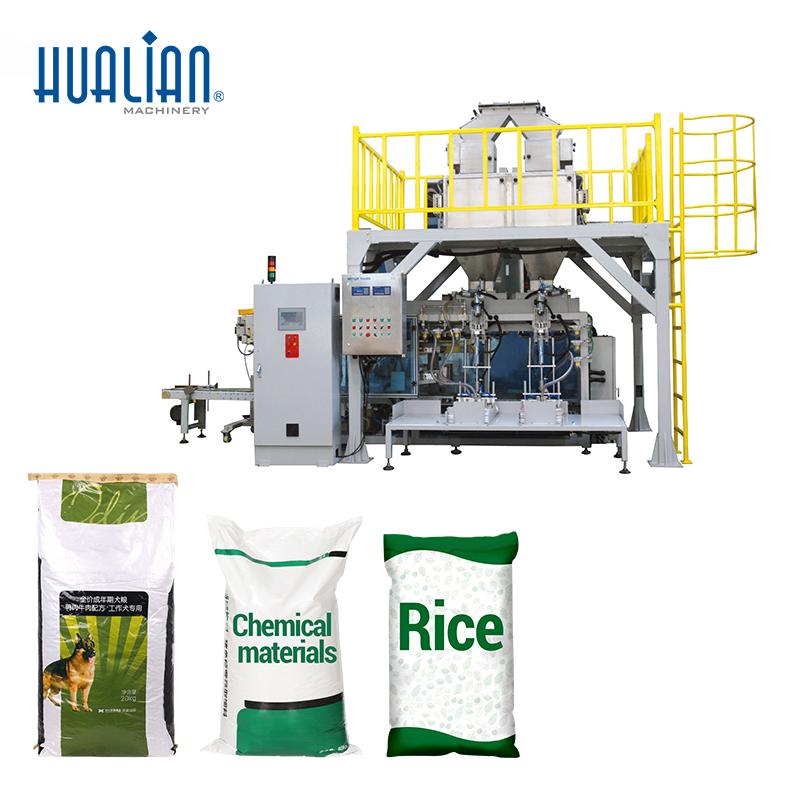
Hualian's heavy-duty bagging systems are specifically designed for 20–50 kg packaging requirements. Highly flexible, these systems accommodate a wide variety of bag types, including kraft paper bags, plastic film bags, aluminum foil bags, paper-plastic composite bags, and woven bags. We will recommend the most suitable packaging method and equipment tailored to your specific material properties, bag types, and production goals.
These systems incorporate various feeding mechanisms to ensure accuracy and consistency throughout the process—from weighing to filling—accommodating plastic pellets with diverse flow characteristics.The feeder is the core component for ensuring precise material delivery. We select the optimal feeding mechanism (e.g., screw/auger or vibratory feeders) based on your material's specific characteristics, guaranteeing consistent weight in the final packaged product.
Finally, here are some practical tips for selecting a bagging machine:
Conduct trial runs using your own materials and the specific bags you intend to use. Agree on a set duration for continuous testing to evaluate the system’s stability over time, rather than relying on a brief demonstration of just a few bags. Include seal quality in your acceptance criteria—define specific inspection requirements (such as seal strength and appearance), including testing methods and sampling protocols, and ensure these are documented in writing. When evaluating weighing accuracy, consider both relative error and absolute error per bag; then, factor in the unit cost of your material and the total volume of packaging to estimate cumulative losses. For example, a 0.5% error on a 25 kg bag amounts to 125 g, while the same 0.5% error on a 0.5 kg bag amounts to 2.5 g.
Always maintain a capacity buffer so that your packaging line does not become a bottleneck for your entire operation.
Having explored the information in this article regarding plastic pellets, you are now prepared to take the first step into the plastic pellet business. Your next moves are to identify your target application area, select the specific type of plastic pellets best suited to that field, and finally, procure the appropriate plastic packaging equipment.

 English
 简体中文
 ไทย
 Pусский