Views: 0 Author: Site Editor Publish Time: 2026-04-23 Origin: Site


Table of Content
Where Efficiency Is Usually Lost in Shrink Wrapping
Why the Right Machine Improves More Than Speed
How to Match Machine Type to Efficiency Goals
What to Measure When Choosing a Shrink Wrap Machine
How to Choose for Efficiency Without Overbuying
Packaging efficiency is rarely decided by speed alone. A machine may look productive on paper and still slow the line down through stop-start operation, extra operator handling, poor shrink quality, or repeated pack correction. When that happens, the problem is not always the machine’s core function. It is the way the machine fits into the wider packaging process.
A shrink wrap machine can be running well and still be the wrong fit for an efficient packaging line. That is why the right machine improves more than the sealing stage. It helps the whole packaging line move better. It supports a steadier rhythm, reduces avoidable waste, improves pack consistency, and makes it easier for the line to hold output without building problems into the next stage.
This article looks at shrink-wrap efficiency from that wider angle, so you can judge machine choice by how well it supports the full packaging workflow, not just by how fast it runs.
Efficiency often starts to fall when the sealing stage cannot keep pace with the rest of the packaging process. The machine may still be running properly, but that does not automatically mean the line is running efficiently. If sealing is too slow, products begin to wait between stages, output becomes uneven, and the workflow turns into a stop-start routine. That kind of rhythm usually lowers practical throughput even when the equipment itself is technically functional.
Film choice and machine setup affect each other more than many operations expect. A film that does not suit the sealing method, shrink conditions, or product flow can create problems across the whole line.
You may start to see weak seals, uneven shrinking, wasted material, or slower handling because the operator has to work around film behaviour that does not match the setup. In that situation, efficiency is not being lost because the machine has stopped working. It is being lost because the film and the system are working against each other instead of together.
Efficiency also drops when operators have to do too much repositioning, loading, adjustment, or correction between stages. A little extra handling may seem manageable at low volume, but it becomes much more noticeable as output rises.
The more often people have to step in and fix pack position or correct avoidable issues, the harder it becomes to keep the line moving smoothly. What looks like a small delay at one point in the process can become a repeated drag on the whole workflow.
The shrink stage can also become a line-wide issue when tunnel speed, temperature control, and product flow are not properly matched. Even if sealing is running well, a weak shrink stage can still lead to loose packs, uneven shrinking, or delays that reduce overall output. That is why tunnel control matters so much to real packaging efficiency. If the conveyor moves too quickly, the film may not shrink properly. If the heat settings are off, pack consistency can suffer.
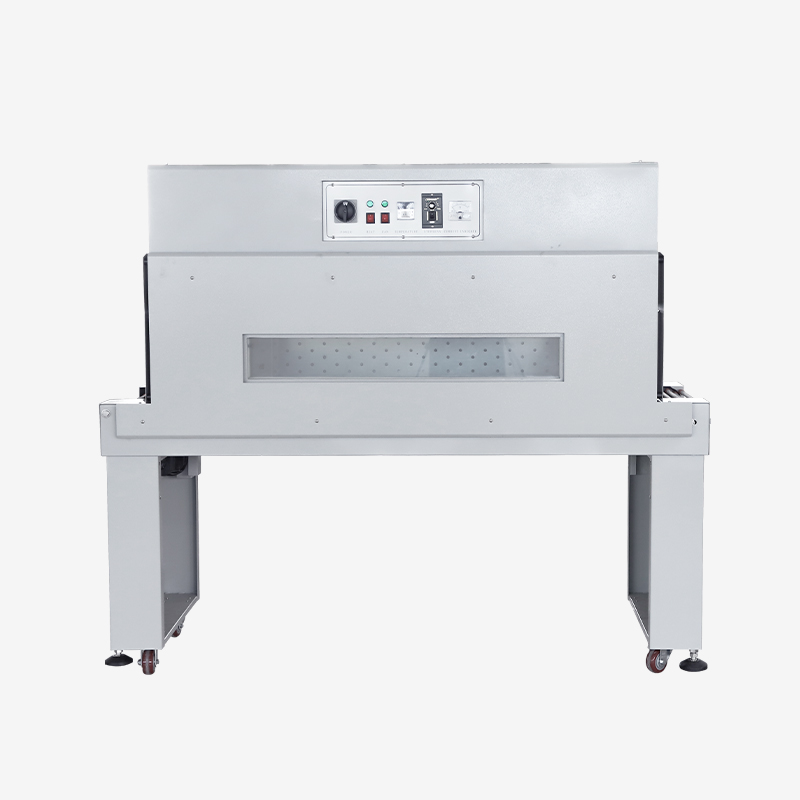
This is also why features like adjustable temperature and conveyor speed matter in practical terms, not just technical ones. Hualian’s BS-4525 is a useful example of that point, because it is built around those adjustable controls. In real packaging use, shrink quality and output stability are closely connected, and a better-controlled tunnel stage usually helps the whole line run more smoothly.
Efficiency is also lost when the line produces packs that are inconsistent enough to need correction. Poor pack consistency leads to wasted film, rejected packs, and extra operator intervention. That means the cost of inefficiency is not just slower running speed. It also shows up in repeat work, avoidable waste, and time spent fixing packs that should have been right the first time. In many cases, this kind of hidden inefficiency does more damage over time than a machine that is simply a little slower.
The right machine fit does more than help the line run faster. It also helps it stop less often. When the machine suits the product, film, and packaging workflow properly, there are usually fewer interruptions caused by jams, weak sealing, or packs that do not move cleanly through the process. That matters because downtime often does more damage to real output than a slightly slower cycle speed. A line that runs steadily is usually more efficient than one that looks fast on paper but keeps stopping to correct avoidable problems.
A better machine fit also improves pack consistency, and that has a direct effect on efficiency. When packs come out more evenly sealed and more uniformly shrunk, there is less need for rework, less rejected material, and less time spent dealing with unstable results. Consistency also helps later stages of handling, because packs that are more uniform tend to move more smoothly through packing, stacking, and transport without creating extra disruption downstream.
The right machine can also reduce how much operator input the process depends on. That becomes especially important in repetitive or higher-volume packaging work, where too much manual involvement slows the line and increases variation from one pack to the next. A better machine fit helps remove unnecessary repositioning, adjustment, and supervision, so the operator is supporting the workflow rather than constantly stepping in to correct it. Over time, that creates a more stable and easier-to-manage packaging process.
Film waste is another area where the right machine makes a clear difference. When the machine and the film work well together, sealing is more stable, shrinking is more controlled, and material use becomes more predictable. When they do not, waste tends to rise through poor seals, uneven shrinking, torn film, or packs that need to be redone. That means machine-film compatibility affects efficiency not just through output, but through material cost and day-to-day packaging reliability as well.
Efficiency also depends on how well the machine fits the space available and the way products move through the line. A machine can be technically capable and still be the wrong choice if it makes the workflow awkward or takes up more room than the operation can support comfortably. This is where lower-footprint efficiency starts to matter.
Hualian’s BSF-5540 is a useful example of that idea. Because it combines sealing and shrinking in one step and is positioned for smaller spaces and simpler workflows.
If your operation is small, efficiency usually comes from using a compact hood machine, chamber-style system, or small L-bar shrink-pack setup rather than jumping too quickly into a larger, more complex line. When daily output is still manageable and the product range is relatively narrow, a simpler machine often performs better in practice because it saves space, cuts extra handling, and keeps the workflow easier to control.
In this kind of setup, efficiency is usually less about maximum speed and more about reducing steps, saving floor space, and making the process easier for the operator to manage from one pack to the next.
If you are packing the same type of product repeatedly, such as boxed goods, printed materials, cartons, or other regular-shaped packs, efficiency usually improves with an L-bar sealer and shrink tunnel setup or another machine format built for repeatable runs.
A stable machine setup often does more for output than a more adaptable one if the products themselves do not change much. Fewer adjustments, more predictable sealing, and more uniform shrink results usually lead to a smoother packaging rhythm over time.
Once packaging volume rises, efficiency usually starts to depend on continuous side-sealing systems or fully automatic continuous shrink-wrap machines rather than stop-start equipment. At that level, the main issue is not simply whether the machine can wrap the product. It is whether it can keep the line moving without frequent pauses, operator correction, or uneven flow.
That is where continuous systems make more sense. Hualian’s HWS-50C is a useful example because it is positioned around continuous sealing, compact design, and higher cycle output. That combination matters when the goal is not just speed, but a steadier packaging rhythm across longer runs.
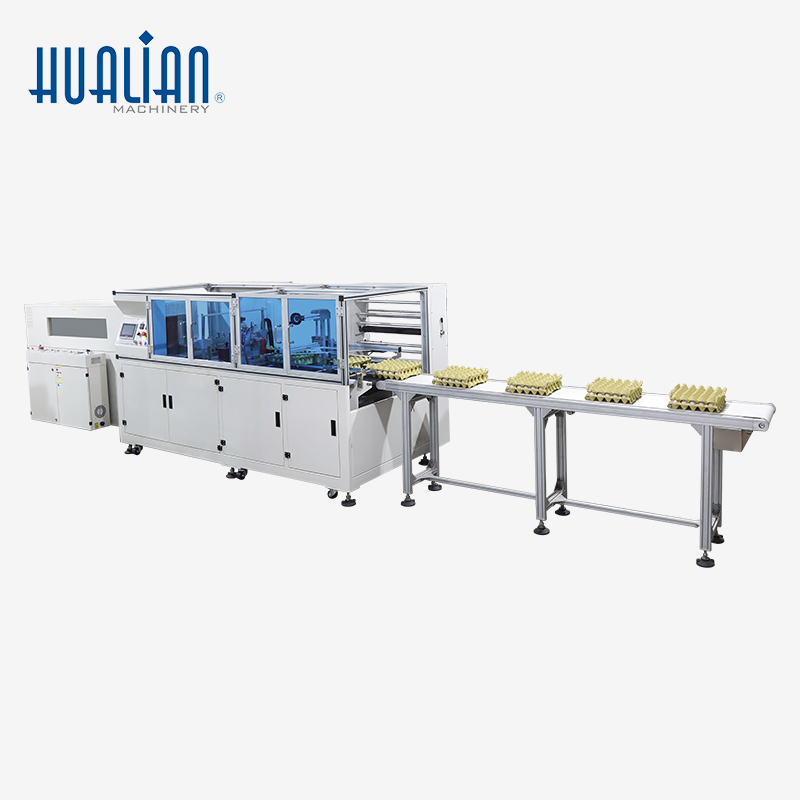
When products are longer, uneven, or variable in size, efficiency usually improves with a side-sealing machine rather than a compact hood system or standard L-bar format. Simpler machines can become limiting here because the product may need more repositioning, more manual correction, or a less fixed sealing format to move through the line cleanly.
That is why the machine choice affects more than basic pack compatibility. It also affects how smoothly the product travels through the line, how often the operator has to intervene, and how stable the workflow remains once pack dimensions become less predictable.
Speed figures matter, but only when they match the real pace of your packaging line. A machine may look impressive on paper because it can run at a high number of cycles or packs per minute, but that number means very little if the rest of the line cannot feed products into it or clear finished packs away at the same pace.
The better question is not simply how fast the machine can run, but how fast it can run usefully within your actual workflow. If your upstream loading, product presentation, or downstream handling is slower, extra machine speed may sit unused.
Changeover time is one of the easiest ways to lose practical efficiency without noticing it at first. A machine can run well once it is set up, but if switching between product sizes, pack formats, or film settings takes too long, that lost time starts to add up across the day.
This matters even more in operations with multiple SKUs or frequent format changes. In those cases, a machine that is slightly less sophisticated but easier to reset may be more efficient overall than one that looks stronger during continuous running but slows everything down each time the job changes.
The real cost of inefficiency often shows up in interruptions, not just slow running speed. A machine that stops repeatedly because of jams, sealing issues, unstable packs, or film problems can quietly reduce output far more than a slower machine that runs steadily.
That is why downtime risk should be treated as a core buying factor. You are not just measuring how the machine performs when everything is going well. You are also measuring how often it is likely to interrupt the line when real packaging conditions are less than perfect.
Labour demand is also part of machine efficiency. Some machines need much more manual loading, repositioning, monitoring, or pack correction than others. That may be manageable in a small operation, but it becomes more expensive when staffing is limited or when repetitive handling starts slowing output.
A machine that reduces unnecessary operator involvement can improve efficiency even if its raw speed is not the highest, because it helps the whole process run with less effort and less variation.
Material waste affects efficiency just as much as time loss. If a machine uses more film than necessary, produces weak seals that lead to redos, or struggles to shrink the film consistently, that wasted material becomes part of the true operating cost. Film consumption is therefore not just a purchasing detail. It is a performance measure. A machine that runs with more stable sealing and better film control can save money and reduce waste over time, even if its headline speed is not the main selling point.
A machine’s footprint matters because an efficient line also has to be a workable one. If the equipment takes up too much space, creates awkward product movement, or makes loading and unloading harder than it needs to be, efficiency suffers even if the machine itself performs well. Floor-space efficiency is really about fit.
The best setup is one that leaves enough room for operators to work comfortably and for products to move through the line without creating unnecessary congestion or extra handling steps.
It is easy to be drawn to higher output figures, but extra speed only helps when the rest of the line can support it. If upstream loading is too slow, downstream handling cannot clear finished packs quickly enough, or product flow into the machine is uneven, added speed on paper will not turn into real efficiency.
In some cases, it simply creates a faster point in the line that spends more time waiting. The smarter question is whether the machine can match the pace the full packaging process can realistically maintain.
Flexibility can be useful, but it is not always valuable. If your products are highly standardized and the pack format rarely changes, a machine built to handle a wide variety of sizes and formats may add more complexity than benefit. More adjustment points, more setup options, and more changeover features do not automatically improve efficiency if the job itself is stable and repetitive. In that kind of operation, a simpler and more focused setup is often the better choice because it is easier to run, easier to maintain, and more predictable day to day.
Efficiency also depends on how easily the operator can work with the machine. If loading is awkward, pack positioning takes too much effort, or the operator has to keep stepping in to monitor and correct routine issues, the workflow becomes harder to sustain. That kind of friction may not show up in a speed figure, but it affects real output every day.
A machine that supports easier loading, smoother monitoring, and cleaner product movement through the line will often be more efficient in practice than one that looks stronger on paper but is harder to work around.
A fast machine is not truly efficient if the finished packs come out uneven, unstable, or likely to be reworked. Speed only matters when the machine can maintain pack quality at that pace. If poor shrinking, weak sealing, or inconsistent presentation leads to waste, rejection, or extra correction, the apparent speed advantage starts to disappear. Real efficiency comes from output that is both fast enough and reliable enough to move forward without creating problems later in the line.
Packaging efficiency comes from fit, not just machine speed. A shrink wrap machine only becomes efficient when it supports the way your packaging line actually works. That means reducing waste, making the operator’s job easier, maintaining pack consistency, and keeping pace with the real flow of products through the line rather than chasing output figures in isolation.
The most efficient machine is the one that suits the product, the workflow, and the production goal together. When those things are aligned, the line usually runs more smoothly, pack quality becomes easier to maintain, and the gains show up in more places than speed alone.
If you are looking for a shrink-wrap setup that fits your line more practically, Hualian offers a wide range of machines for different product types, output levels, and packaging workflows. Explore Hualian’s shrink wrapping solutions to find equipment that helps you improve line efficiency, reduce waste, and build a packaging process that works more cleanly from sealing to final pack.

 English
 简体中文
简体中文 ไทย
ไทย Pусский