Views: 0 Author: Site Editor Publish Time: 2026-04-22 Origin: Site


Table of Content
What a Shrink Wrap Machine Does
Main Types of Shrink Wrap Machines
Manual, Semi-Automatic, and Automatic Shrink Wrapping Setups
How to Match Machine Type to Product Type
Common Mistakes When Choosing a Shrink Wrap Machine
Shrink wrap machines are easy to oversimplify. The term sounds straightforward, but it covers equipment built for very different packaging jobs. A machine that works well for small retail packs may be the wrong fit for bundled products, and a setup that suits a slower line may not make much sense once output demands increase.
That is where many buying decisions start to go wrong. The real question is not whether you need a shrink wrap machine, but what kind of machine fits your product, your pack style, and the way your operation runs.
This article looks at shrink wrap machines from that practical angle. It explains what they do, how shrink wrapping works, the main machine types used across different applications, and what to weigh before you buy.
A shrink wrap machine does more than cover a product in film. Its job is to create a finished pack that holds the product securely and gives it the right level of protection and presentation for storage, transport, or retail display.
In most cases, shrink wrapping involves two main actions. The first is sealing the film around the product so it is enclosed properly. The second is applying heat so the film shrinks tightly around it and forms a closer, more secure pack.
That process can happen in different ways depending on the machine setup. Some shrink wrap machines handle both sealing and shrinking in one system, which can make the process more compact and straightforward. Others split the work between a sealing unit and a shrink tunnel, where the product is first wrapped and sealed, then passed through heat to tighten the film.
Shrink wrapping begins with getting the film around the product in the right way before anything is sealed. Depending on the machine and the packaging format, the film may be placed over the product, folded around it, or fed around a grouped pack as part of a more continuous wrapping process. The aim at this stage is to position the film so the product is ready for a clean and controlled seal.
This part of the process can look different from one machine to another. A compact hood machine handles film differently from an L-bar sealer, and both differ from sleeve-wrapping or side-seal systems. That matters because the way the film is applied affects how well the next stages run. If the film is not positioned properly, the pack may not seal neatly or shrink evenly later on.
Once the film has been positioned around the product, the next step is to cut and seal it so the pack becomes fully enclosed. This is the point where the loose film starts to take the shape of a real package rather than simply sitting around the product. Before any heat is applied, sealing creates the basic structure that holds the film in place and prepares it for the shrink stage.
A clean and well-placed seal helps the pack move into shrinking in a more controlled way. If the sealing is poor, uneven, or badly positioned, the final pack may not shrink neatly or hold its shape the way it should. So even though sealing comes before the visual transformation of the pack, it plays a major role in how the finished result will look and perform.
In practical terms, sealing does two important things at once. It defines the pack boundary around the product, and it creates the conditions for a more even shrink result afterward.
After sealing, heat is applied so the film contracts around the product. This is the stage that gives shrink wrapping its final form. As the film is exposed to controlled heat, it tightens around the pack and creates a closer, more secure fit.
This part of the process does more than improve appearance. It affects how tight the pack feels, how clean the finished result looks, and how consistent the packaging stays from one product to the next. If the shrinking stage is done well, the pack should look neat and controlled rather than loose, uneven, or overstressed. That is why heat shrinking is not just a finishing step. It plays a major role in the overall quality of the final pack.
Once the heat stage is complete, the pack begins to settle into its finished shape. As it cools, the film holds that final form more clearly, and the appearance of the package becomes easier to judge.
At this point, the quality of the full shrink-wrapping process becomes visible. A good pack should look presentable, hold the product securely, and stay strong enough for handling, storage, transport, or retail display. In other words, the end result is not only about wrapping the product tightly. It is about creating a finished pack that performs well in the conditions it is meant to face.
Hood or chamber shrink machines are usually designed to handle sealing and shrinking in one compact process. Instead of separating those stages into different parts of the line, the product is enclosed, sealed, and then shrunk within the same overall workflow. That makes this type of machine easier to understand and easier to fit into operations that do not need a more elaborate shrink-pack system.
You will often see hood or chamber shrink machines used in smaller operations, lighter packaging workloads, or in businesses that want a simpler all-in-one setup rather than a more segmented process. They are especially practical when the packaging job is fairly straightforward and the goal is to produce neat, consistent packs without adding too much equipment complexity.
This type of setup also makes sense where floor space is limited and the product range is relatively easy to handle. If you are not running a wide mix of pack styles or very high output demands, a hood or chamber system can be a more manageable way to handle shrink wrapping without overbuilding the line.
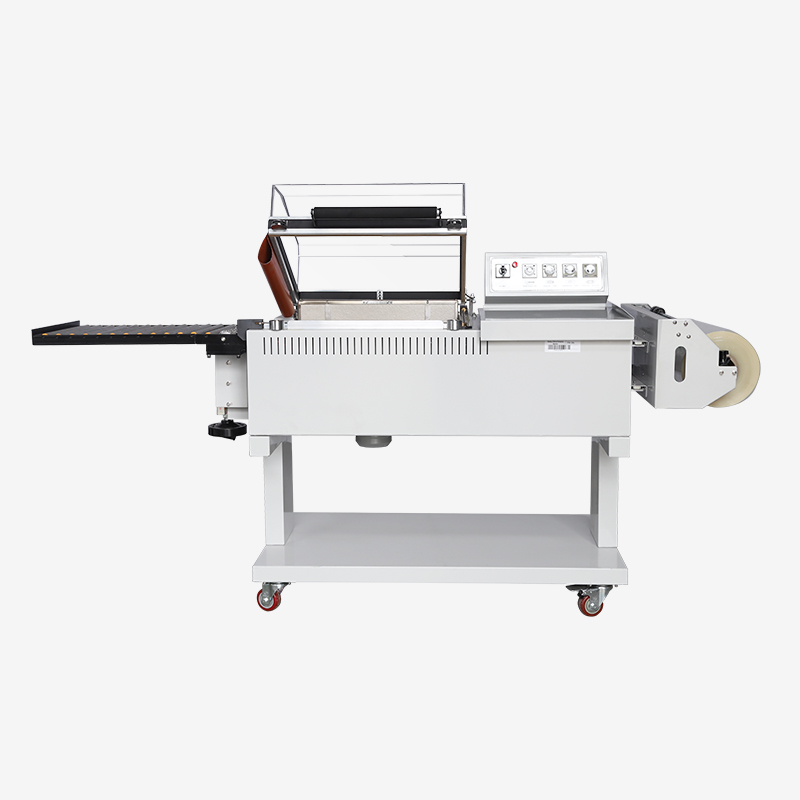
A good example is the Hualian BSF-5540, which is a compact shrink-pack solution that combines sealing and shrinking in one step.
L-bar and L-type sealers work by cutting and sealing the film in an L-shape before the product goes through the shrink stage. That gives the pack a defined shape early in the process and helps create a more uniform finished result.
This type of machine is often a good fit for products that are regular in shape and easier to wrap cleanly, especially when presentation matters. Think of boxed goods, printed products, and everyday consumer packs that need to look tidy on the shelf and stay consistent across repeated runs. If the product is fairly straightforward and the finished pack needs to look sharp, this style of sealing usually makes sense.
That is also why L-bar sealers are often used for packaging jobs where appearance is part of the requirement, not just protection.
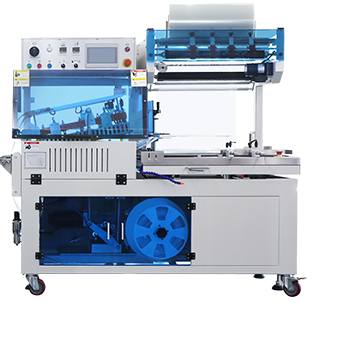
A good example here is Hualian’s BSF-5640LG which is an automatic L-bar sealer designed for a wide range of products like books, paper goods, glassware, frames, and similar packaged products. It is also compatible with shrink films such as PVC and PE, which makes it a practical option for businesses looking for a more presentation-focused shrink-pack setup.
Side sealing machines are a better fit for longer, larger, or less regular products that do not work as neatly in a standard L-bar workflow. They are especially useful when product length varies, because the sealing format gives you more flexibility than a fixed cut-and-seal pattern.
They are also often used where a continuous sealing process is more practical than stop-start wrapping. That can make them a better choice for lines handling a broader range of product sizes or products that need more adaptable wrapping conditions.
This is the main difference from L-bar systems. L-bar machines are usually stronger for regular-shaped products and more standardised retail packs. Side sealing machines are better when flexibility matters more, especially if the packaging job involves varied product lengths, larger formats, or a wider size range across production.
Sleeve sealing machines wrap the product in a film sleeve before it goes through the shrink stage. That makes them especially useful for grouped items, multipacks, and larger bundled products where the aim is to hold several units together rather than create a close retail-style wrap around a single item.
You will often see them used in beverage, food, and bulk-pack applications, where grouping, stability, and pack protection matter more than a tight or highly polished finish. In these cases, the pack is doing more of a bundling job than a presentation job.
A good example is the Hualian TF-6540SA + BS-5540Msetup, which combines sleeve sealing with shrink tunnel processing for larger-format packaging work. It is the kind of system that makes sense when you are handling bundled products and need a more suitable sealing-and-shrinking format for bigger pack sizes.
Shrink tunnels apply controlled heat after sealing to tighten the film around the product. They are often used alongside separate sealing equipment, so the product is first wrapped and sealed, then passed through the tunnel for the shrink stage.
Tunnel performance has a direct effect on shrink quality, pack consistency, and output stability. If the heat is not applied evenly or the product does not move through the tunnel at the right pace, the pack may come out looking loose, uneven, or less consistent from one unit to the next.
That is why temperature control and conveyor speed matter. Different product sizes and film types do not respond the same way in the tunnel, so being able to adjust those settings can make a noticeable difference in the final result.
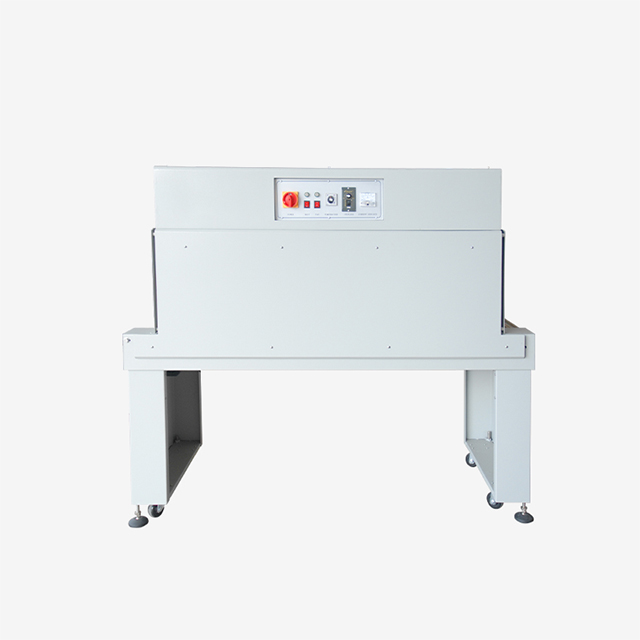
A practical example is Hualian’s BS-4525, which fits this category as a shrink tunnel with adjustable temperature and conveyor speed. It is used with heat-shrinkable films such as PVC and PE, which makes it a useful reference point for operations where shrink requirements can vary by product and film type.
Fully automatic continuous systems are built for operations that need higher output, less manual handling, and more consistent packaging at volume. Instead of working in a more stop-start rhythm, they are designed to keep products moving through the wrapping process with less interruption. That makes them a better fit when packaging speed and line continuity matter more than keeping the setup compact and simple.
Simpler systems can work well for lighter workloads, but fully automatic continuous machines make more sense when you need stronger throughput, more automation, and a steadier production flow. In practical terms, they are meant for businesses that want to reduce handling, keep output moving, and maintain more consistent results across longer runs.
A useful example is the Hualian HWS-50C, which is great for continuous sealing, a compact footprint, and higher cycle output. The machine highlights up to 80 cycles per minute, does not need to pause during sealing, and is a space-saving option despite its faster workflow.
Manual or compact shrink-wrapping systems are often the right fit when your operation is still relatively simple. They make the most sense for small businesses, limited product ranges, lower daily volumes, or packaging areas where space is tight. In these settings, the goal is usually not maximum speed, but a practical setup that can handle the workload without adding more complexity than the operation actually needs.
Semi-automatic systems offer more structure and consistency than simpler manual workflows, but they do not take the operation all the way into full production-line automation.
That makes them a sensible step for businesses that have outgrown a basic shrink-wrap setup and need better output, better pack consistency, or less reliance on manual handling, but are not yet ready for the cost or scale of a fully automatic system.
Automatic systems are the stronger choice when labour reduction, higher throughput, and more repeatable packaging results become bigger priorities. They are often justified when the packaging operation needs a steadier production flow and the business can no longer rely on stop-start handling without losing efficiency.
Smaller, regular-shaped retail products usually work best with L-bar or compact shrink-pack systems. These machines are well suited to products that are easy to position, easy to seal neatly, and expected to have a clean finished look. That includes items such as boxed goods, printed materials, cosmetics, and other consumer products where pack appearance and consistency both matter.
Longer, uneven, or variable-size products usually need a more flexible sealing approach. This is where side-sealing systems often make more sense. They can handle changing product lengths and less uniform pack shapes more easily, while a standard compact setup may start to feel limiting when the product no longer fits a more fixed wrapping format.
When you are packing grouped bottles, cans, or larger bundled goods, the packaging job changes. At that point, the goal is usually less about a neat retail-style wrap around one item and more about holding several products together securely. That is why sleeve sealing and tunnel-based setups are often a better fit for bundle packs and multi-packs than smaller retail-style systems.
As production volume rises, machine choice becomes less about basic wrapping and more about flow, consistency, and reduced manual handling. A setup that works well at lower output can become less efficient once the line needs to keep moving steadily. That is why continuous or fully automatic systems usually become more attractive at higher volumes. They are better suited to maintaining output, reducing interruptions, and keeping packaging results more repeatable over longer runs.
Not every shrink-wrap machine handles every film in the same way. That is one of the first things to check before buying. If you plan to use PE, PVC, or another shrink film, the machine needs to suit that material properly. A film that works well on one setup may seal, shrink, or run less effectively on another, so compatibility matters long before production begins.
Machine choice also depends heavily on the kind of product you are packing. Small, regular products are usually easier to handle than large, long, or awkwardly shaped items. The more unusual the product size or shape, the more important it becomes to choose a machine that can wrap and seal it without forcing it into an unsuitable pack format.
It is also important to think beyond whether the machine can do the job at all. You need to ask whether it can keep up with your real packaging target. A machine may work perfectly well at a lower pace, but become limiting once daily output rises. That is why throughput should be judged against actual production needs, not just basic machine function.
Available workspace can shape the decision more than many buyers expect. A compact all-in-one system may make sense when space is limited, while a larger multi-stage setup may be more realistic in operations with more room and higher output demands. In other words, the best machine is not just the one with the right features, but the one that fits the space you actually have.
Some shrink-wrap machines depend much more heavily on manual loading, product positioning, or close supervision than others. That affects labour demands, workflow, and consistency. If you want a simpler hands-on setup, that may be acceptable. If you want to reduce operator involvement, you will need a more automated system.
Finally, you need to think about where the machine sits in the wider packaging process. Some businesses only need a standalone shrink-wrap machine. Others need equipment that can fit into a broader packaging line and work smoothly with upstream or downstream systems. That difference can change what kind of machine makes sense from the start.
A faster machine is not always the better choice. Speed only helps when it matches the way your packaging operation actually runs. If the machine does not suit the product, the workflow, or the labour available to support it, higher speed on paper can quickly become less useful in practice.
Machine mismatch often starts with the product itself. If the size, length, or shape of the product does not suit the machine format, the wrapping process becomes harder to manage and the finished pack becomes less consistent. That is why product shape should be one of the first things you look at, not something you try to work around later.
Film choice and machine performance affect each other more than many buyers expect. A machine may be suitable in general, but still perform poorly if it is paired with a film that does not run well in that setup. Ignoring compatibility can lead to weaker sealing, uneven shrinking, poor pack appearance, or handling problems during production.
More automation is not always better. A highly automated system only makes sense when the product flow, staffing, and output demands are there to support it. If the rest of the operation is not set up for that level of automation, the machine can become more capacity than the line actually needs rather than a practical improvement.
A shrink wrap machine is a broad category, and the right choice depends on much more than the label attached to the equipment. What matters most is how well the machine fits the real packaging job in front of it.
The best choice is not simply the machine with the most features. It is the one that matches your product type, pack format, film choice, output needs, and the way your operation actually runs. When those things line up, the machine is far more likely to deliver the consistency, efficiency, and pack quality you need.
If you are comparing shrink-wrap equipment for your business, Hualian Machinery offers a wide range of solutions for different product formats, production levels, and shrink-pack workflows. Explore Hualian’s shrink packaging machines to find a setup that fits your operation more practically.

 English
 简体中文
简体中文 ไทย
ไทย Pусский