Views: 0 Author: Site Editor Publish Time: 2026-04-21 Origin: Site


Table of Content
What Shrink Wrap Actually Means
PE, POF, and PVC Shrink Wrap Compared
How These Shrink Wraps Affect the Final Pack
Why Shrink Film Choice Has to Match the Machine Setup
How to Choose the Right Shrink Wrap for Your Packaging Operation
Choosing shrink wrap film can seem simple at first until the wrong film starts causing problems. The pack may tear too easily, look less neat than expected, run badly on the machine, or fail to protect the product well enough during storage and handling.
The reason is simple. Shrink wrap is not one single material. PE, POF, and PVC are all used in shrink packaging, but they do not perform the same way in real packaging use.
So the real decision is not just choosing a shrink film. It is choosing the right film for your product, your packaging process, and the way the pack needs to perform. This article breaks down the main shrink wrap materials in clear, practical terms so you can compare them based on product protection, pack appearance, handling demands, and machine compatibility.
When you hear people talk about shrink wrap, they often blur the process and the material together. It helps to separate them. Shrink wrapping is the packaging process. Shrink film is the material you use in that process. That difference matters because the real decision is usually not whether you should shrink wrap a product, but which film will do the job properly.
Shrink film is made to contract when you apply controlled heat. Once you wrap or enclose the product, the film tightens around it and forms a closer, more secure pack. That tighter finish can improve presentation, help hold products together, and add protection during handling, storage, and transport.
This is where your material choice becomes more important than it may first seem. Different shrink films react differently to heat, and they do not perform the same way once the pack is formed. The film you choose affects how cleanly the pack shrinks, how well it handles different product shapes, how much stress it can take during movement and stacking, and how well it supports your packaging goal.
So while shrink wrapping may look like one packaging method from the outside, the film behind it can change your result in a very real way. That is why you should treat shrink film choice as a packaging performance decision, not just a material selection step.
Before you choose a shrink film, it helps to compare the main options side by side. PE, POF, and PVC can all be used in shrink packaging, but they do not perform the same way once pack appearance, strength, shrink behaviour, and machine fit start to matter.
Comparison Point | PE | POF | PVC |
Clarity | Lower clarity than POF and PVC | High clarity with a cleaner retail finish | Good clarity in the right application |
Strength | High strength, especially for heavier packs and bundling | Good overall strength for a wide range of products | Moderate strength, better suited to lighter applications |
Shrink performance | Good shrink performance, but often less refined in final appearance | Clean and balanced shrink performance | Strong shrink response that can still work in simpler setups |
Common uses | Bundling, heavier products, multipacks, transport packaging | Retail packs, food packaging, consumer goods, general shrink wrapping | Older shrink-pack formats, lighter retail packs, legacy workflows |
Main advantages | Durable and well suited to larger or heavier items | Versatile, clean-looking, and suitable for many packaging needs | Can still produce a neat finished pack in the right setup |
Main limitations | Less polished retail appearance | Not always the first choice for very heavy bundling | Less preferred in many modern packaging operations |
Machine compatibility | Often used on systems built for heavier-duty shrink applications | Broad compatibility across many shrink packaging setups | More workable in older or simpler shrink-wrap operations |
In simple terms, PE is usually associated with strength and bundling, POF with cleaner retail presentation and wider versatility, and PVC with older or simpler shrink-pack applications where its particular shrink response is still workable.
For a fuller breakdown, you can read our article on PE vs POF vs PVC shrink film comparison.
PE shrink film is usually the better fit when you need more strength, better bundle stability, and more dependable protection for heavier grouped products. It is commonly associated with heavier-duty shrink wrapping because it holds up better where pack weight, movement, and transport pressure matter more than a polished retail finish.
You will often see PE shrink film used in applications such as bottled water multipacks, beverage and beer bundles, mineral water bottle packs, and other grouped products packed with or without trays.
Good load strength: PE works well when your pack needs to hold together under more weight. This makes it a practical choice for bundled products where the film is expected to help keep the unit stable through lifting, stacking, storage, and transport.
Strong puncture resistance: PE is better suited to grouped products that may face tougher handling during movement and storage. When packs are heavier or more exposed to pressure, edges, or rougher contact points, that added toughness becomes more useful.
Dependable performance for heavier packs: PE is often the safer choice when your packaging priority is bundle protection and transport reliability rather than a lighter retail finish. It is commonly used where the pack needs to stay intact and functional under more demanding conditions, not just look neat after shrinking.
Better fit for transport-oriented packaging: One of the main reasons businesses choose PE is that it supports packaging jobs where strength matters throughout the supply chain. If the product is going to be moved, stacked, or handled more aggressively, PE often gives you more confidence than a film chosen mainly for presentation.
PE is usually less suitable when you are packing small retail products, presentation-driven consumer goods, or products that need a cleaner and lighter-looking finish. In those cases, a film like POF is often the better visual fit.
POF shrink film is often the better choice when you need a film that balances performance with presentation. Compared with heavier-duty options, it is generally seen as the more versatile and shelf-friendly shrink film because it gives you a cleaner finish and a more polished pack appearance across a wide range of consumer products.
You will often see POF shrink film used for cosmetics, books and printed goods, boxed food products, toys, and other forms of consumer retail packaging. In these applications, the pack usually needs to look clean, neat, and commercially presentable while still offering enough protection for storage, display, and routine handling.
Better clarity: POF usually gives you a clearer finished pack, which helps the product stay more visible on the shelf. That can matter when the product itself is part of the appeal and you do not want the film to dull the presentation or make the pack look heavier than it needs to.
Cleaner finish: POF is often chosen when you want the shrink wrap to look tighter, lighter, and more refined. In many retail settings, that cleaner finish helps the pack look more polished and commercially ready rather than purely functional.
Strong all-round suitability for many consumer goods: One reason businesses keep choosing POF is that it works well across a wide range of retail-facing products. It gives you a useful balance between appearance and general packaging performance, which makes it a dependable option for businesses that need one film to suit different product types without making the pack look rough or overly heavy.
Good fit for presentation-led packaging: If shelf appeal matters, POF often makes more sense because it supports a neater and more attractive final pack. That makes it especially useful when the packaging needs to protect the product while also helping it look ready for display.
POF is usually less suitable for heavy bundled packs, products that need stronger load-holding performance during transport, and packaging jobs where toughness matters more than appearance. In those cases, a stronger film such as PE may be the more practical choice.
PVC shrink film is known for its strong shrink response, good transparency, and long history in shrink packaging. For many businesses, it was one of the more familiar shrink film options for retail wrapping, especially in packaging setups built around lighter consumer packs and simpler shrink applications.
You will still see PVC shrink film used for printed products, boxed consumer goods, simpler retail packaging, and in older packaging setups that were originally built around PVC use. In these cases, the film can still give you a neat finished pack when the product, machine setup, and packaging expectations all align.
Familiarity: Some businesses still use PVC because it has been part of their packaging process for years and continues to fit the way their operation already works. When a packaging line is already set up around PVC, and the film is still giving acceptable results, there may be less pressure to change immediately.
Workable shrink performance: PVC can still give you a tight and usable shrink result in the right application. This is especially true when the product format is simple, the pack is relatively light, and the shrink-wrapping job does not place more demanding performance pressure on the film.
Acceptable presentation for certain pack types: For some boxed, printed, or lighter consumer products, PVC can still produce a clear and presentable finished pack. If the packaging goal is straightforward and the expected finish does not require a more versatile all-round film, some businesses may still find PVC workable for that purpose.
Suitable for existing simpler setups: In some older or simpler shrink-pack operations, PVC is still used because the equipment, workflow, and pack style were built with that film in mind. In those cases, the decision is often less about whether PVC is the most modern option and more about whether it still performs well enough within the current setup.
In many current packaging operations, PVC comes with more practical tradeoffs than PE or POF. It is often less appealing when you want a stronger all-round balance of finish, flexibility, and broader usability across different products and machine types.
So while PVC still has a place in some packaging environments, it is no longer the automatic choice when your goal is a more versatile shrink film that can support a wider range of packaging needs.
The film you choose has a direct effect on how the finished pack looks. Some films give you better clarity and a cleaner surface, which helps the product look sharper and more presentable on the shelf. Others are more functional in appearance and are chosen less for visual finish and more for pack strength. If shelf presentation matters, the difference in clarity, gloss, and overall neatness can be hard to ignore.
Shrink film also affects how well the pack stands up to real handling conditions. A stronger film can give you better puncture resistance, more dependable bundle support, and better durability during movement, stacking, and transport. A lighter or more presentation-led film may still protect the product well, but it may not offer the same level of load-holding strength for heavier grouped packs.
Different films also shrink in different ways, and that changes how the final pack feels and looks. One film may give you a tighter, cleaner finish around the product, while another may create a heavier but less refined result. So even when two films both complete the shrink-wrapping job, the finished pack may still look noticeably different depending on the material used.
In day-to-day use, film choice affects more than the final appearance of the pack. It can influence how easy the material is to handle, how consistently it performs on the line, and how well it fits the demands of your packaging environment. A film that suits your product but creates avoidable issues during operation is not always the right choice. That is why shrink film selection should be based not only on what the pack looks like in the end, but also on how reliably the material works throughout the packaging process.
When you choose shrink film, you are not only matching it to the product. You are also matching it to the way the product will be sealed and shrunk on the machine. A film that works well for one product may still create problems if it does not suit the sealing format, shrink method, or output style of the equipment being used.
This matters even more in smaller shrink-pack operations, where the packaging setup is usually expected to stay simple, efficient, and consistent. Compact hood or L-bar systems are often used for smaller products, shorter runs, or businesses that need a straightforward shrink-pack process without moving into a larger and more complex line. In these setups, the film still has to behave properly. It needs to seal cleanly, shrink evenly, and produce a pack that looks neat and dependable in day-to-day use.

Hualian’s BSF-5540is a practical example of this kind of setup. It is suited to smaller shrink-wrapping jobs where presentation still matters, and where the machine and film need to work together without adding unnecessary complexity. In that environment, film choice affects more than the finished look. It also affects sealing consistency, shrink quality, and how smoothly the packaging process runs from one pack to the next.
Once you move into sleeve-style wrapping, larger grouped products, or heavier-duty bundling work, the demands change. The film has to do more, and the shrinking system has to support a bigger, tougher packaging task. In these cases, you are no longer choosing film only for appearance or basic wrapping performance. You are choosing it for how well it handles larger formats, stronger shrink demands, and more demanding transport conditions.
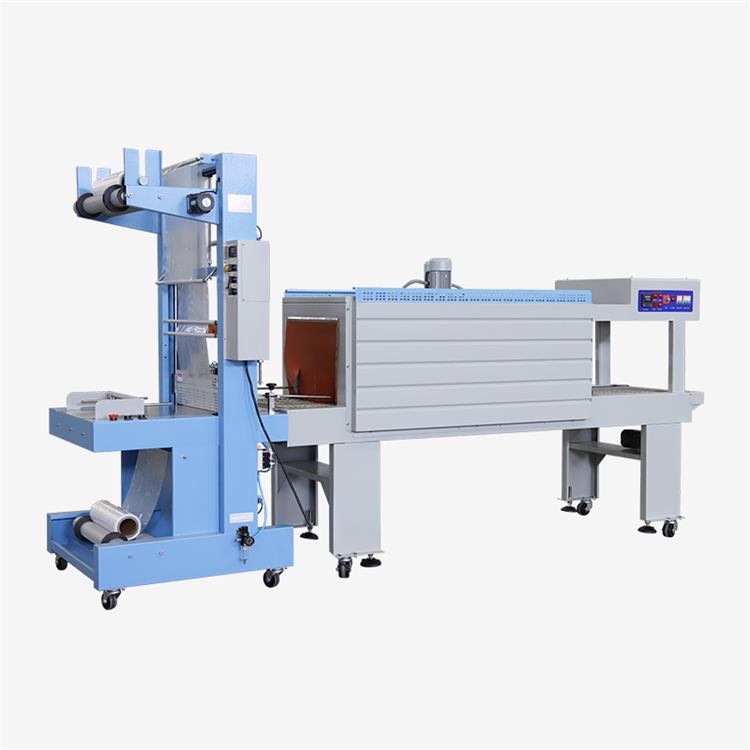
That is why tunnel-based or sleeve sealing setups need a different film-and-machine fit. The material has to suit the sealing style, the product grouping, and the way heat is applied across a larger pack. Hualian’s TF-6540SA + BS-5540M is a good example of this kind of larger-format setup. In workflows like this, film compatibility matters more because the pack has to shrink properly, hold grouped products together securely, and stay reliable under heavier handling demands.
The first step is to look closely at the product itself. Its size, weight, and fragility will all affect the kind of film performance you need. A heavier or more demanding product may need a stronger film with better holding power, while a lighter retail item may give you more room to focus on appearance and finish. You should also think about whether the product needs to remain clearly visible inside the pack, because that will make film clarity more important.
The right shrink film also depends on how you want the finished pack to look. If you need a cleaner retail finish, a film with better clarity and a neater shrink result will usually be the better fit. If your priority is stronger bundle protection, you may need a film that performs better under weight and handling pressure. If you want a tighter shrink appearance, that matters too, because different films produce different visual results once heat is applied.
Your film choice should also match the packaging setup you are using or planning to use. That means looking at how the product will be sealed and shrunk, not just what the finished pack should look like. The film needs to work properly with the sealing and shrinking method behind the packaging process.
A film that works well in one setup may not perform as well in another. Smaller L-bar or hood-style machines often suit lighter, simpler shrink-pack jobs, where clean sealing and consistent presentation matter. Larger sleeve sealing or tunnel-based systems place different demands on the film, especially when you are handling grouped products, larger formats, or tougher transport conditions. So before choosing a film, you need to think about how it will behave on the machine, how evenly it will shrink, and whether it supports the kind of packaging workflow you actually run.
In the end, the best shrink film is not simply the cheapest option or the one you already know best. It is the one that fits the actual packaging job. A lower-cost film may look appealing at first, but it can create other problems if it gives you weaker protection, a poorer finish, or less reliable machine performance. In the same way, a film that looks better on the shelf may not be the best value if your real priority is bundle strength and transport stability.
The better approach is to weigh protection, presentation, and cost together. You want a film that protects the product properly, gives you the right finished look, and runs well within your packaging setup without creating unnecessary waste or inconsistency. When those factors are balanced properly, you are more likely to get a film choice that supports both packaging performance and day-to-day efficiency.
PE, POF, and PVC are all shrink films, but that does not make them interchangeable. Each one fits a different kind of packaging job, and choosing well means looking beyond the label to understand how the film will actually perform.
The right choice depends not only on how the pack looks, but also on how the film protects the product, handles pressure and movement, and works within your packaging setup. In other words, shrink film selection is not just a material decision. It is a packaging performance decision.
The film you choose will affect pack appearance, handling strength, and the overall effectiveness of your shrink-wrapping process. If you are evaluating shrink packaging solutions for your operation, Hualian Machinery offers equipment and packaging systems designed to support different product formats, film types, and production needs.

 English
 简体中文
简体中文 ไทย
ไทย Pусский