Views: 0 Author: Site Editor Publish Time: 2026-06-22 Origin: Site


You want your cheese to be the best it can be. The Ultimate Guide To Cheese Packaging Materials and Solutions explains how packaging keeps cheese safe and good to eat. The world cheese packaging market will be $104.84 billion by 2035. You need to keep up with changes. Automation and smart machines help save money and work faster. You can find new packaging like light wraps, biodegradable films, and active materials that keep cheese fresh. Hualian is a leader with smart solutions for all kinds of cheese.
Cheese packaging is very important. It helps keep cheese fresh and tasty. It also keeps the texture good.
Different cheeses need different packaging. Hard cheeses do well with vacuum packaging. Soft cheeses need wraps that let air in.
Modified Atmosphere Packaging (MAP) helps cheese last longer. It changes the air inside the package. This helps stop spoilage.
Sustainable packaging, like biodegradable films, is getting more popular. People and companies who care about the planet like these options.
Strong seals on packaging stop germs and spoilage. This keeps cheese safe to eat.
Good packaging design makes cheese look nice. Clear windows and easy-open parts help people want to buy it.
Automation in packaging saves time and money. It helps cheese makers work faster and better.
Check your packaging often. Make sure it matches what people want and follows food safety rules.
You want your cheese to stay fresh and look nice. Cheese packaging helps keep cheese safe from air, water, and light. The right packaging stops cheese from drying out or going bad. This helps cheese keep its taste, feel, and color for a longer time. Studies show that strong packaging keeps cheese in good shape. For example, vacuum packaging stops cheese from losing weight and getting damaged by air. Modified Atmosphere Packaging (MAP) keeps cheese tasting and looking good by changing the air inside the package. The table below shows how different packaging can change cheese quality:
Packaging Method | Effects on Cheese Quality |
|---|---|
Stops damage from air, keeps out bacteria, mold, and yeast, and stops cheese from drying out or losing weight. | |
Makes cheese last longer, helps taste and looks, works well for laminated cheeses, and keeps flavor compounds. |
When you pick the best packaging, your cheese stays tasty and safe for people to eat.
You need to keep cheese safe from germs and dirt. Cheese packaging acts like a shield to block dust and bacteria. Good packaging makes a clean wall between cheese and the outside. This lowers the chance of people getting sick from food. Some packaging is made to meet strict hygiene rules. For example, vacuum packaging and MAP both stop bacteria and mold from growing. You can trust your cheese will be safe and fresh if you use clean packaging. Clean packaging means you give your customers a better product.
You want cheese to last longer without losing taste or texture. Cheese packaging helps cheese stay good for more days. MAP uses special gases to slow down mold and keep cheese fresh. Active packaging adds things that fight spoilage and keep cheese safe. Edible coatings and films protect cheese and are safe to eat. They are also good for the planet. Oxygen scavengers take away extra oxygen that can spoil cheese. Intelligent packaging can tell you if cheese is still safe to eat. These methods help cheese stay fresh and cut down on waste. When you choose the right packaging, your cheese lasts longer and more people can buy it.
Tip: Always use packaging that fits your cheese type. This keeps cheese fresh, clean, and lasting longer.
You want your cheese to stand out on the shelf. Packaging plays a big role in how people choose cheese. When you walk into a store, you see many types of cheese. The package is often the first thing you notice. It tells you a lot about what is inside.
Cheese packaging does more than protect the product. It helps you make choices. You look for packages that are easy to open and close. You want cheese that stays fresh after you open it. Flexible packaging lets you reseal the cheese, so you can enjoy it more than once. This is important for families and people who do not eat all the cheese at once.
You also care about how the cheese looks. Transparent packaging lets you see the cheese before you buy it. You can check the color and texture. This helps you feel sure about the quality. Clear packages also show you if the cheese is fresh. You do not have to guess what you are getting.
Many people want to eat healthy. Packaging can help you make better choices. You find labels that show calorie information and portion sizes. This helps you control how much cheese you eat. Some packages tell you if the cheese is low in fat or free from artificial additives. You can pick cheese that fits your diet.
You want convenience. Small, portion-sized packages are easy to carry and store. They fit in lunch boxes and bags. Resealable packages keep cheese fresh and stop waste. You do not have to worry about the cheese drying out. Easy-to-open packages save you time and effort.
Here are some ways cheese packaging appeals to you as a consumer:
You see clear labels that tell you about health benefits and ingredients.
You find small packages that help with portion control.
You notice transparent packaging that lets you check freshness and quality.
You enjoy easy-to-open and resealable packages for convenience.
You like flexible packaging that keeps cheese fresh after opening.
Attractive packaging also makes cheese look special. Bright colors, fun shapes, and unique designs catch your eye. You may choose a cheese just because the package looks nice. Good packaging can make you feel excited to try something new.
In the end, cheese packaging helps you trust the product. It gives you information, keeps cheese fresh, and makes eating cheese easy and fun. When you see a well-designed package, you feel confident about your choice.
You have to pick the right packaging for each cheese. Hard, soft, fresh, and aged cheeses all need different things. The right packaging keeps cheese safe and looking good. The table below shows what you should think about:
Factor | Description |
|---|---|
Oxygen Barrier | Controls taste and color. Stops cheese from going bad. Pick materials based on how long you want cheese to last. |
Moisture Control | Keeps cheese from getting too dry or too wet. Special layers help with this. |
Seal Strength | Makes sure the package stays closed. This is important for vacuum pouches and lidding films. |
Puncture Resistance | Stops the package from ripping. Stronger materials are best for vacuum-packed cheese. |
Clarity and Appearance | Lets you see the cheese inside. Clear films make cheese look nice and help your brand. |
Low-Temperature Performance | Keeps packaging strong and bendy in cold places. Stops cracks and damage. |
Hard cheese is stored for a long time. It needs packaging that blocks air and controls water. Vacuum packaging works well because it keeps air out. This stops the cheese from drying out. The package must be strong and not tear. This keeps cheese safe when you move or store it.
Soft cheese needs to breathe but not get too wet. Modified Atmosphere Packaging (MAP) changes the air inside the package. This slows down spoilage and keeps cheese soft. The package should be strong and clear so you can see the cheese.
Fresh cheese has lots of water. It needs packaging that controls water and blocks germs. Vacuum packaging and active packaging work well for this. These keep cheese fresh and safe for longer. The package should be easy to open and close every day.
Aged cheese needs some air to get its flavor. Cloth, wax, or special films let air in. These help the cheese age the right way. You want to protect the cheese but still let it breathe.
You should think about how long you want cheese to last. Shelf life helps you pick the right packaging. Here are some ways packaging helps:
Vacuum packaging makes cheese last longer by keeping out air.
Active and intelligent packaging can work with cheese or the air. These show you if cheese is still good to eat.
Good packaging cuts down on waste and keeps cheese safe.
You may want to help the planet with your packaging. Many new packages are better for the earth. Here are some examples:
Some companies use biodegradable packaging made from cheese whey and bioplastics. This breaks down in less than a year.
Recycle-ready packaging, like polyolefin-based films, can be recycled with other plastics. This helps cut down on trash.
Green packaging uses bioplastics, smart materials, and even plantable packaging. These meet the need for earth-friendly cheese packaging.
You can work with Hualian to find the best packaging for your cheese. Hualian has machines for many types of packaging. This helps you protect cheese and reach your business goals.
You want your cheese business to save money and work well. The packaging you pick affects how much you spend and how fast you work. If you use the right materials, you clean less and need fewer workers. For example, cheese paper like Matrix helps you clean faster and hire fewer people. Lighter packaging means shipping costs less. If your packaging fits all machines, you can pack cheese quickly and waste less. This makes your business run better.
Many cheese makers now use machines to help them. Machines pack cheese fast and keep it good. With automation, you make more cheese and make fewer mistakes. You save money because you need fewer workers and machines stop less. Hualian Machinery has machines that fit your needs. Their machines work with many materials and cheese types. You can use vacuum packaging, flow packaging, or tray sealing. Each way helps you work faster and keeps cheese fresh.
You should also think about the planet. Many people want packaging that is better for the earth. Sometimes, using green materials can slow down your work. One manager found that new eco-friendly materials made machines break more. Production dropped to 70%, and energy bills went up. When they used better machine parts, things got better. Efficiency went up to 96%. They saved energy and reached their green goals. This shows that the best choice is often the most efficient one.
Here is a table to help you compare packaging options:
Packaging Material | Cost Impact | Efficiency Benefit | Machine Compatibility |
|---|---|---|---|
Cheese Paper | Low cleaning cost | Fast packing, less waste | High |
Lightweight Films | Lower shipping cost | Easy handling | High |
Sustainable Materials | May increase cost | Needs reliable machines | Varies |
Multilayer Films | Higher upfront cost | Longer shelf life | High |
Tip: Always check if your packaging works with your machines. This helps you stop problems and save money.
You can work with Hualian to find the best way to save money and work well. Their machines use many kinds of packaging and help you use more machines. You save money, waste less, and keep cheese fresh. Good packaging choices help your business grow and make customers happy.
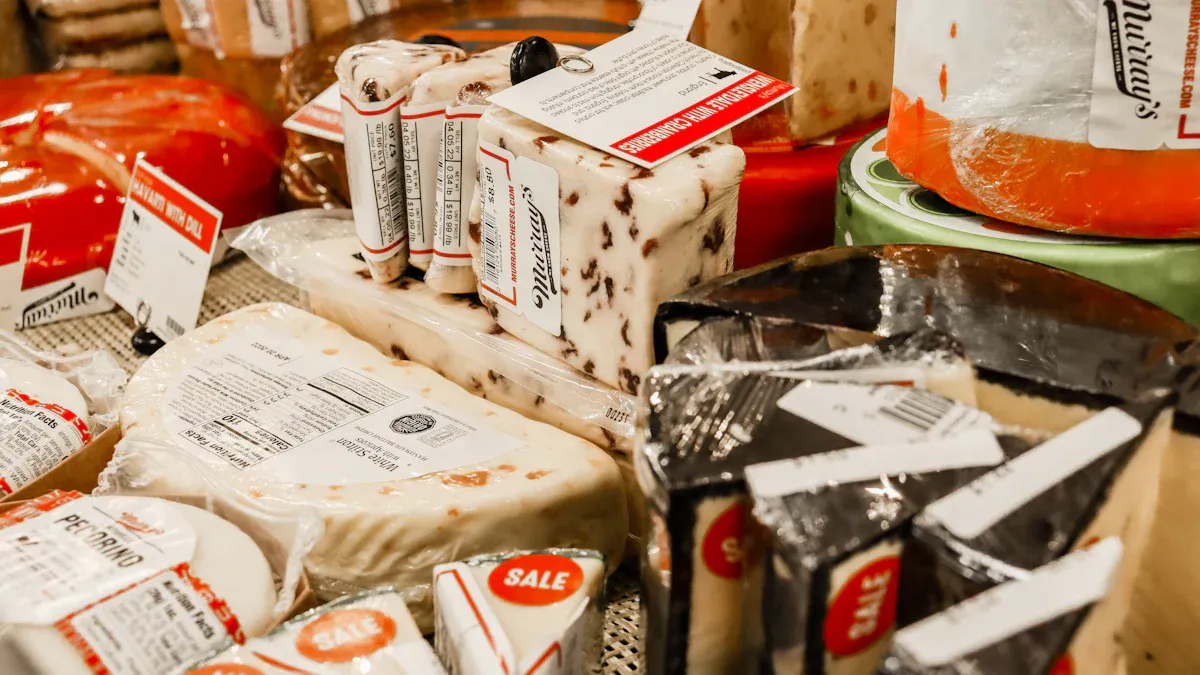
When you want to keep cheese fresh, you need to know about packaging. This guide helps you pick the best material for your cheese. There are many choices, from old types to new ideas. Each material helps cheese in a special way.
Wax has been used for cheese for a long time. You see wax on hard cheeses like Gouda and Edam. Wax keeps out water and air. This helps cheese age well and not dry out. Natural waxes break down in nature, so they are good for the earth. Wax also makes cheese look classic, which many people like.
Paper lets cheese breathe a little. You use paper for soft and semi-soft cheeses. Cheese paper keeps the right amount of water inside. It stops cheese from getting too wet or too dry. You can recycle or compost plain paper. People like paper because it looks simple and natural. You often see paper on special or organic cheeses.
Foil gives cheese a shiny and strong cover. You use foil for processed cheese or small cheese pieces. Foil blocks light, water, and air. This keeps cheese fresh for a long time. You can recycle foil, but making it uses a lot of energy. Foil makes cheese look fancy and clean. Many people trust cheese that comes in foil.
Cloth wraps help cheese age the right way. You use cloth for old cheese aging methods. Cloth lets air move in and out. This helps cheese lose water slowly and get more flavor. If you use natural cloth, you can reuse or compost it. Cloth gives cheese an old-time, handmade feel. Many people pick cloth-wrapped cheese for its taste and history.
Plastics are used a lot for cheese today. You see plastics like PE, PP, PET, and PVC in many cheese packs. Plastics keep out air and water very well. They are good for vacuum and MAP packaging. You can recycle some plastics, but it depends on where you live. Plastics let you see the cheese inside, which helps sell it. You find plastics in sliced, block, and shredded cheese.
Biodegradable packaging is getting more popular. You see things like PLA, PHA, and starch-based films. These break down in nature and make less trash. They work well for soft and fresh cheeses. Some biodegradable films keep out water and air almost as well as plastics. Many people choose these for earth-friendly cheese packaging.
Edible packaging is a new idea for cheese. You can eat the package with the cheese. Edible films use things like milk protein or seaweed. This means less trash and a fun way to eat cheese. Edible packaging works best for small cheese pieces. It also shows you care about the earth.
Laminates and multilayer films mix different materials. You get strong and safe cheese packaging. These films keep cheese fresh for a long time. They are good for vacuum and MAP packaging. Laminates are hard to recycle, but they use less material. You often see these films in fancy cheese packs.
Nanomaterials are changing how we pack cheese. You find nano-clay and nano-silver films in some new packs. These make strong walls against air and germs. Nano-silver can even stop bacteria from growing. You get cheese that lasts longer and is safer. Scientists are still learning how these materials affect nature.
Smart packaging uses sensors and signs. You can check if cheese is fresh without opening it. Some sensors change color if cheese gets too warm or starts to spoil. Smart packaging helps you waste less food. It also helps you trust the cheese you buy.
Antimicrobial films fight germs inside the package. These films use safe things to stop mold and bacteria. You get cheese that stays fresh longer. Antimicrobial films can help you use fewer preservatives. They also make cheese packaging safer for everyone.
Tip: When you pick cheese packaging, think about the cheese type, how long you want it to last, and what your customers care about. This guide gives you the facts you need to make a good choice.
You can use old, new, or smart cheese packaging. Hualian Machinery makes machines for all these materials. You get cheese packaging that keeps cheese safe, fresh, and ready to sell. This guide helps you stay ahead in the cheese business.
When you pick cheese packaging, you want to know how it works. Each material protects cheese in its own way. Some keep out air and water better than others. Some are better for the earth because they break down faster. You also need to think about how much it costs and how the package looks in stores.
Let’s see how old and new materials are different. The table below shows how well each one blocks air and water, and if it is good for the planet:
Packaging Material | Barrier Properties | Sustainability |
|---|---|---|
Wax Paper | Not great at blocking air and smells | Not very good for the earth |
Aluminum Foil | Blocks air and water very well | Not very good for the earth |
Biodegradable Films | Blocks well, breaks down in nature | Very good for the earth |
Paper-Based Packaging | Blocks well, can be composted | Good for the earth, uses plants |
Wax paper and aluminum foil have been used for a long time. Wax paper lets some air and smells in, so it is best for cheese that needs to breathe. Aluminum foil blocks almost everything, so cheese stays fresh longer. But both are not great for the earth. Biodegradable films and paper-based packaging protect cheese and help the planet. You can compost paper-based packaging, and biodegradable films break down fast.
New materials give even more good things. They are strong and do not tear easily. They keep cheese safe when you move it. Some new films use less material, so you save money and make less trash. These films also seal at lower heat, so you can pack cheese faster and use less energy. The table below shows how these new materials work:
Attribute | Description |
|---|---|
Mechanical Performance | Hard to tear or poke holes in. |
Cost Efficiency | Thinner films save up to 20% on costs. |
Environmental Impact | Lighter films mean less trash and less pollution. |
Sealing Properties | Seals at lower heat for faster packing. |
Hygienic Properties | Keeps cheese safe and clean with few chemicals. |
Transport Efficiency | Protects cheese and keeps packages safe when moving. |
You want packaging that keeps cheese fresh, looks nice, and helps the earth. New and modern materials give you these good things. They also help you save money and work faster.
Hualian Machinery makes machines that use all these materials. You can use old wraps, new films, or smart packaging. This means you can pick what is best for your cheese and your business. When you choose the right material and machine, you keep cheese safe, save resources, and make your customers happy.
Tip: Always pick packaging that fits your cheese and your business goals. This helps you get the best quality, save money, and help the earth.
You want your cheese to stay fresh and safe. MAP is a new way to pack cheese. It changes the air inside the package. This slows down spoilage and keeps cheese tasting good. MAP uses gases like carbon dioxide and nitrogen. These gases help stop mold and bacteria from growing.
Here is why MAP is good for cheese:
MAP makes cheese last longer by stopping bad germs.
It stops mold, so cheese looks and tastes fresh.
MAP slows down spoilage, so cheese stays safe and yummy.
You can use MAP for many cheeses, soft or hard. This helps you sell cheese that looks and tastes great. Hualian Machinery has MAP tray sealing machines. These machines make the best air for your cheese. They help keep cheese fresh, even when you ship or store it.
Note: MAP is smart if you want less waste and better cheese for your customers.
Vacuum packaging is another way to keep cheese fresh. This method takes out all the air before sealing the package. Without air, cheese does not spoil fast. Vacuum packaging is like a time capsule for cheese. It keeps in flavor, texture, and smell.
Vacuum packaging works for hard and soft cheeses. Hard cheeses like Cheddar and Parmesan stay dense and tasty for months. Soft cheeses like Brie and Camembert last longer and stay creamy. The right packaging keeps cheese from getting squished.
Here are the main reasons to use vacuum packaging:
It makes cheese last longer and taste fresh.
It keeps out germs and stops cheese from drying out.
You can pick different bags and vacuum levels for each cheese.
Vacuum packaging uses plastic bags, trays, or foil.
A vacuum pump takes out air to the right level, between 100 and 300 millibar.
Sometimes, you can add gases to help cheese age.
Hualian Machinery has vacuum packaging for many cheese types. Their machines help you pack cheese fast and safely. You can trust your cheese will stay fresh and look good in stores.
Tip: Always match the vacuum level and bag to your cheese. This helps you get the best results and keep cheese in great shape.
VSP is a new way to pack cheese. A clear film wraps tight around the cheese, like a second skin. This keeps out air and holds in moisture.
The table below shows how VSP helps with cheese:
Benefit | Description |
|---|---|
Extended Shelf Life | Cheese stays fresh longer and keeps its taste. |
Prevention of Spoilage | Stops germs and mold, so cheese smells and tastes good. |
Protection from Contamination | Keeps cheese safe from outside dirt and germs. |
Prevention of Drying Out | Holds in moisture, so cheese does not get hard. |
Excellent Storage Options | Makes cheese easy to store and show in stores. |
VSP gives you more good things:
Vacuum sealing keeps cheese fresh by taking out air.
The tight seal stops mold and bacteria.
VSP saves space because cheese is packed close.
Each piece is sealed alone, so flavors do not mix.
Hualian Machinery has VSP machines for many cheese types. These machines help you show off your cheese to buyers. The clear film lets people see the cheese, which builds trust and helps sales.
Callout: If you want cheese that looks nice and stays fresh, VSP is a great choice for your packaging.
Flow packaging wraps cheese with a long piece of film. This method is used for cheese sticks, slices, and blocks. The machine puts cheese into the film, seals it, and then cuts it. Each cheese piece gets its own neat package.
Flow packaging helps you in many ways. You can pack cheese fast, which is good for making lots of cheese. The film can be clear or have your brand printed on it, so people see your cheese easily. Custom designs and labels help people remember your brand. Special films keep out water and air, so cheese lasts longer. This method works best for cheese that keeps its shape and moves smoothly through the machine.
Flow packaging is best for cheese that does not change shape. The film keeps cheese clean and fresh. But, this method does not take out air like vacuum packaging. It also does not work for cheese that needs a shaped space.
Hualian Machinery has flow packers that pack cheese quickly and the same way every time. You can pick films that fit your cheese best. Your cheese looks nice and stays safe for people to eat.
Tip: Use flow packaging for sliced or portioned cheese to pack faster and make cheese look good on the shelf.
Thermoforming packaging shapes plastic film into a tray. Cheese goes in the tray, and another film seals it on top. This makes a strong package that fits the cheese well and keeps it safe.
Thermoforming has many good points. The table below shows how it helps your cheese:
Feature | Description |
|---|---|
Excellent Barrier Properties | Stops water, air, and germs from getting in, so cheese stays fresh longer. |
Leak-proof and Durable | Keeps cheese safe and fresh when moving or storing it. |
Modified Atmosphere Packaging | Changes the air inside to slow spoilage and keep cheese good longer. |
Thermoforming films help cheese stay fresh for more days. They block air and water, so cheese does not spoil fast. The package does not leak and is strong for shipping.
Hualian Machinery’s thermoforming machines can do vacuum, MAP, and skin packaging all in one. You can pack many cheese types with one machine. This saves you time and keeps cheese safe and looking good.
Note: Thermoforming packaging is great for fancy cheeses and cheese that needs extra care.
Cheese trays and lidding film give cheese a strong base and a tight cover. You put cheese in a tray and seal it with film on top. This works well for sliced, cubed, or special cheeses.
There are many good things about trays and lidding film. The table below explains the main features:
Feature | Description |
|---|---|
Barrier Performance | Stops air and water, so cheese stays fresh and does not dry out. |
Consumer-Friendly Features | Lids are easy to peel off and close again, so cheese stays fresh. |
Anti-Fog Options | Keeps the film clear in the fridge, so people can see the cheese. |
Cheese stays fresh and looks good in the store. Lids that peel and close again make it easy for people to use and store cheese. Anti-fog film keeps the package clear, so shoppers see the cheese inside.
Hualian Machinery has tray sealing machines for many tray shapes and films. You can pick what fits your cheese and brand best. Your cheese stands out and stays fresh longer.
Callout: Pick trays and lidding film for cheese that needs strong protection and a fancy look.
You want cheese packaging that is easy to use and notice. Stand-up pouches help with this. These pouches have a flat bottom, so they stand up straight in stores. This makes your cheese simple to find and grab. You can use them for shredded cheese, cubes, or snacks.
Stand-up pouches give you many good things:
They keep cheese fresh for a long time. The strong barrier stops air and water from getting inside.
You get zippers that reseal. You can open and close the pouch again and again. Your cheese stays fresh each time.
The pouch shape saves space in your fridge and on shelves.
Bright colors and clear windows show your cheese.
Here is a table that compares stand-up pouches to old cheese packaging:
Feature | Stand-Up Pouches | Traditional Packaging |
|---|---|---|
Barrier Protection | Great, keeps out oxygen | Sometimes less strong |
Shelf Presence | Looks nice, saves space | Not as easy to see |
Convenience | Simple to use, resealable | Often bigger, harder to use |
Freshness Duration | Cheese stays fresh longer | Cheese may spoil faster |
You can see stand-up pouches help cheese look good and last longer. They also make it easy for people to use and store cheese at home.
Tip: Stand-up pouches help your brand stand out and make cheese easier for shoppers.
Hualian Machinery has machines that fill and seal stand-up pouches fast. You can pick different sizes and features for your cheese. This helps you keep up with new trends and meet what customers want.
Oxygen can make cheese spoil quickly. You need packaging that keeps oxygen away. Oxygen barrier materials do this well. They use special layers to block air from touching the cheese. This stops mold and bacteria from growing. It also keeps cheese from going bad.
When you use oxygen barrier materials, your cheese stays safe and fresh. These materials help keep taste, color, and texture right. You can use them in vacuum packaging, MAP, and stand-up pouches.
Many cheese makers use oxygen barrier films with Hualian’s machines. These machines seal cheese tight and keep out air. You get longer shelf life and less waste. Your customers enjoy cheese that tastes good, just like when you packed it.
Note: Oxygen barrier materials are important for keeping cheese fresh and stopping spoilage.
Cheese needs the right moisture to taste good. Too much moisture can cause mold. Too little makes cheese dry and hard. You must pick packaging that controls moisture for each cheese.
Here is a table that shows the best ways to control moisture for different cheeses:
Cheese Type | Packaging Method | Key Considerations |
|---|---|---|
Hard Cheese | Wax coatings, vacuum-sealed bags | Stop drying and keep cheese safe |
Semi-Hard Cheese | MAP, wax paper, vacuum bags | Keep shape and texture, stop moisture loss |
Soft Cheese | Parchment paper, cling film | Control air, stop mold |
Fresh Cheese | Plastic containers, high-barrier films, vacuum bags | Keep water in and cheese fresh |
Aged Cheese | Vacuum skin packaging, thermoformed films | Let cheese breathe for flavor |
Active Packaging | Uses agents for longer shelf life | Protect against humidity |
Moisture Absorbers | Silica gel or calcium chloride in packaging | Control humidity, stop water drops |
You see each cheese needs a different way. Hard cheese needs to stay dry. Soft cheese needs some air. Fresh cheese needs strong barriers to keep water inside.
Hualian Machinery’s packaging helps you control moisture. Their machines work with many materials, like wax paper and barrier films. You can add moisture absorbers or use active packaging for extra safety.
Callout: The right moisture control keeps your cheese tasty, fresh, and safe for everyone.
You want your cheese to stay safe all the way to the customer. Seal strength is very important for cheese packaging. A strong seal keeps the package closed tight. It protects the cheese inside from harm. If the seal breaks, cheese can spoil or get dirty.
Seal integrity is the most important part of food packaging. You need to check the seal often to make sure it stays strong. If the seal is weak, your cheese may not be safe or fresh. Testing seal strength helps you trust your packaging.
The table below shows how seal strength helps cheese packaging:
Aspect | Impact on Cheese Packaging |
|---|---|
Leak Prevention | Stops spills during shipping and in stores. |
Food Safety | Keeps germs out by sealing the tray. |
Extended Shelf Life | Keeps cheese fresh and stops spoilage. |
Supply Chain Reliability | Handles cold and frozen shipping in the U.S. |
Seal strength is important for many reasons:
It stops leaks and keeps cheese from spilling.
It protects cheese from germs and dirt.
It keeps cheese fresh for a longer time.
It helps the package survive cold and frozen shipping.
Seal integrity testing checks the package in real life. You test the seal with changes in pressure, shaking, and temperature. These tests show if your packaging will stay strong during shipping and storage.
You can use different materials and machines to make strong seals. Hualian Machinery has machines that make reliable seals. Their machines use heat, pressure, and smart controls to seal trays, pouches, and films. You can trust your cheese will stay safe and fresh with Hualian’s solutions.
Tip: Always test your seals before sending cheese to stores. Strong seals help you avoid waste and keep customers happy.
Seal strength is more than just closing the package. It protects your cheese, your brand, and your business. When you use the right machines and materials, your cheese arrives safe every time.
You want your hard cheese to last as long as possible and keep its flavor. Hard cheeses, like Cheddar or Parmesan, need strong packaging to stop air and moisture from getting in. This keeps the cheese from drying out or losing taste. You can use different packaging types for hard cheese. The table below shows the best options:
Packaging Type | Description |
|---|---|
Vacuum Packaging | Great for blocks or slices. Keeps out moisture and locks in flavor. |
Pouches and Bags | Best for diced or shredded cheese. Seals out air and moisture. |
Changes the air inside the package to slow spoilage and keep cheese fresh. |
Vacuum packaging works well because it removes air, which stops oxidation and slows down germs. Modified atmosphere packaging replaces the air with special gases. This helps your cheese stay fresh and tasty for a longer time. You can also use active packaging that interacts with the cheese to keep it safe.
Hualian Machinery offers machines that handle all these packaging types. You can choose vacuum sealers, MAP tray sealers, or pouch machines. These solutions help you keep your hard cheese in top shape from the factory to the store.
Tip: Always pick packaging that matches your cheese type and shelf life needs. This helps you deliver the best product to your customers.
Soft cheese, like Brie or Camembert, needs gentle care. You want to keep it fresh and safe from germs. Soft cheese can get damaged if you use the wrong packaging. Vacuum sealing is not the best choice for soft cheese because it can crush the cheese and change its texture.
You should use packaging that lets the cheese breathe but still keeps it safe. Here are some good options:
Airtight containers: These keep the cheese fresh and stop germs from getting in. They also help control moisture.
Cheese paper: This special paper lets air move in and out. It keeps the cheese from getting too wet or too dry.
Plastic wrap: You can use it for short-term storage, but it may not be the best for flavor over time.
Cheese paper is a smart choice because it keeps the taste and stops spoilage. Airtight containers are easy to use and help prevent contamination. Hualian Machinery has machines that can pack soft cheese in trays or wrap it in special films. You can keep your cheese safe and looking good for your customers.
Note: Always use packaging that protects soft cheese without crushing it. This keeps the cheese fresh and tasty.
Fresh cheese, like ricotta or cottage cheese, has a lot of moisture. You need packaging that controls water and keeps out germs. The right packaging keeps the cheese safe and stops it from spoiling too soon.
You can use these packaging methods for fresh cheese:
Thermoforming films: These films shape around the cheese and seal it tight. They keep out air and water.
Vacuum pouches: These pouches remove air and lock in freshness. They help stop bacteria and mold from growing.
Multibarrier pouches: These have strong layers that block air and moisture. They protect the cheese from outside harm.
Proper packaging keeps your fresh cheese safe and tasty. It also helps you meet food safety rules and makes your customers happy. Hualian Machinery offers machines for fresh cheese packaging, like thermoforming and vacuum pouch machines. You can trust these solutions to keep your cheese in the best condition.
Callout: Choose packaging that controls moisture and blocks germs for fresh cheese. This helps you deliver safe and delicious cheese every time.
You want your aged cheese to develop rich flavors and keep its quality. Aged cheeses, like Gouda, Cheddar, or blue cheese, need special care. The right packaging helps the cheese breathe while protecting it from too much moisture or unwanted bacteria.
You should look for packaging that allows some airflow. This helps the cheese age and build its unique taste. At the same time, you need to keep out dirt and pests. Here are some top choices for aged cheese packaging:
Cloth Wraps: These wraps let air move in and out. They help the cheese lose moisture slowly. You get a natural rind and deep flavor.
Wax Coatings: Wax seals the cheese but still lets it age. It protects against mold and keeps the cheese from drying out too fast.
Perforated Films: These films have tiny holes. They balance airflow and protection. You can use them for cheeses that need to breathe but also need a barrier.
Paper Wraps: Cheese paper or parchment works well for semi-aged cheeses. It keeps the right amount of moisture and lets the cheese mature.
Tip: Always match the packaging to the type of aged cheese. Some cheeses need more air, while others need more protection.
You can use Hualian Machinery’s packaging machines for all these materials. Their machines handle cloth, wax, and special films. You can pack cheese in trays or wrap it for aging. Hualian’s solutions help you keep the cheese safe during storage and shipping.
Here is a table to help you choose the best packaging for your aged cheese:
Packaging Type | Airflow | Moisture Control | Best For |
|---|---|---|---|
Cloth Wrap | High | Medium | Traditional aged cheese |
Wax Coating | Low | High | Hard aged cheese |
Perforated Film | Medium | Medium | Blue cheese, semi-hard |
Cheese Paper | Medium | Medium | Semi-aged cheese |
You can trust Hualian’s machines to work with all these options. You get reliable seals and consistent results. This helps you deliver aged cheese with the best flavor and texture.
If you want to stand out, try using branded wraps or custom labels. These make your cheese look special and help customers remember your product. Hualian offers machines that can add labels or print dates right on the package.
Aged cheese packaging is not just about protection. It helps your cheese reach its full potential and gives your customers a great experience.
You have to follow strict rules when picking cheese packaging. In the U.S., a law from 1958 sets the main rules for food packaging. This law makes sure packaging does not hurt people. The FDA checks if packaging is safe for cheese and other foods. In the European Union, there is a rule called Framework Regulation (EC) No 1935/2004. This rule says packaging cannot put anything harmful into cheese. It also covers active and intelligent packaging that helps keep cheese safe and fresh. You must meet these rules to protect your customers and your business.
Note: Always check both local and world rules before choosing cheese packaging.
You need to use safe materials for cheese packaging. Food-grade materials keep cheese safe from germs, water, air, and bacteria. You must follow rules like the FDA’s Food Safety Modernization Act to make sure packaging is safe. Good packaging stops cheese from losing water or getting spoiled. It also keeps out bad germs and blocks outside dirt. You want strong barriers to keep cheese fresh and tasty.
Here are some important points about material safety:
Always use food-grade materials for cheese packaging.
Keep cheese safe from germs and bacteria.
Stop cheese from drying out or going bad with strong barriers.
Block bad germs and outside dirt.
Keep cheese good while it sits on the shelf.
Stop cheese from breaking down and keep it safe.
Control how cheese ages and ripens.
You should pick packaging that keeps cheese safe and fresh. These materials help you give your customers great cheese.
You must follow good hygiene when packing cheese. Clean work areas stop germs from spreading. Workers need to wash hands and wear clean clothes. Machines and tools should be cleaned often. You must check that packaging stays clean and dry. You want to stop cheese from touching other foods.
Here are some steps for good hygiene:
Wash hands before touching cheese.
Clean machines and tools after every use.
Store packaging in dry, clean places.
Wear gloves and hairnets when packing cheese.
Check packaging for cleanliness before sending cheese out.
Tip: Good hygiene helps keep cheese safe and makes customers trust you.
You need to follow these steps to keep cheese safe and your business strong. Hualian Machinery makes packaging machines that meet hygiene rules. Their machines help you pack cheese safely and quickly. You can trust Hualian to help with packaging quality and hygiene.
You need to know where your cheese comes from. You also need to know where it goes next. Traceability helps you follow cheese from the farm to the store. This keeps cheese safe and helps you follow the law. If something goes wrong, you can find the problem fast and fix it.
Labeling gives your customers important facts. You must show what is inside the package. You also need to tell people how to store and use the cheese. Labels help people make smart choices and stay safe.
Here are the main things you should put on cheese labels:
Product name and type
List of ingredients
Allergen information (like milk)
Net weight
Date of production and expiration
Storage instructions
Manufacturer’s name and address
Batch or lot number
Country of origin
Tip: Always check the rules in your country. Some places need extra information, like nutrition facts or recycling symbols.
Traceability uses codes and records to track cheese. You can use barcodes, QR codes, or RFID tags. These tools help you scan and follow each cheese package. If you find a problem, you can recall only the bad cheese. This saves time and money. It also keeps your customers safe.
The table below shows how traceability and labeling help your cheese business:
Benefit | How It Helps You |
|---|---|
Food Safety | Finds problems fast and stops unsafe cheese sales |
Legal Compliance | Meets government rules and avoids fines |
Consumer Trust | Shows you care about safety and quality |
Efficient Recalls | Removes only the bad cheese, not everything |
Brand Protection | Keeps your reputation strong |
Hualian Machinery helps with traceability and labeling. Their machines can print batch numbers, dates, and barcodes on packages. You can add QR codes for more information or tracking. Hualian’s solutions help you follow all labeling rules and keep your cheese business safe.
Note: Good traceability and clear labels protect your business and your customers. Always use the right tools to track and label your cheese.
You want your cheese to taste great, look good, and last longer. You also want to save money and help the planet. Balancing these goals can be hard. Start by thinking about what matters most for your cheese business. Quality means your cheese stays fresh and safe. Cost means you do not spend too much on packaging. Sustainability means you use materials that are better for the earth.
You can use a simple table to compare your options:
Goal | What to Look For | Example Choices |
|---|---|---|
Quality | Strong barriers, freshness | Vacuum packs, MAP, trays |
Cost | Low price, easy to use | Lightweight films, bulk packs |
Sustainability | Recyclable or compostable materials | Paper, PLA films, bioplastics |
You should test different packaging types. See which one keeps your cheese fresh and fits your budget. Ask your customers what they like. Many people want cheese packaging that is safe for the earth.
Tip: Try small changes first. Switch to lighter films or add recycling symbols. Watch how these changes help your business.
Picking the right supplier and machine is important. You want a partner who knows cheese packaging. Look for a supplier with good reviews and strong support. Ask if they can show you how their machines work with your cheese.
Hualian Machinery offers many packaging machines for cheese. You can find vacuum packers, tray sealers, and flow wrappers. These machines help you pack cheese fast and keep it fresh. You can ask Hualian for advice on the best machine for your cheese type.
Here are steps to help you choose:
Make a list of what you need. Think about cheese type, speed, and package size.
Visit the supplier or ask for a demo. See the machine in action.
Check if the machine works with different packaging materials.
Ask about training and support.
Compare prices and service plans.
Note: A good machine saves you time and money. It also helps you keep your cheese safe and fresh.
You want your cheese to stand out on the shelf. Custom packaging helps you do this. You can add your logo, colors, and special shapes. Good branding makes people remember your cheese.
You can choose from many packaging styles. Try clear windows to show the cheese. Use bright colors or fun designs. Add easy-open features or resealable zippers. These small changes make your cheese more attractive.
Here are some ideas for custom packaging:
Print your logo and story on the package.
Use special shapes for holidays or events.
Add QR codes for recipes or farm info.
Offer small packs for snacks or large packs for families.
Hualian Machinery can help you with custom packaging. Their machines can print labels, add codes, and seal special shapes. You can work with them to create cheese packaging that fits your brand.
Callout: Custom packaging helps you build trust and sell more cheese. Make your package as special as your cheese.
You want your cheese business to do well in the future. Cheese packaging changes fast. There are new rules, new customer wants, and new technology every year. You need to plan so your business can keep up and grow.
Think about what is most important for the future. Many people care about the earth. They want packaging that does not hurt nature. You can pick eco-friendly materials like biodegradable films or recyclable plastics. These choices help you follow new laws and make customers happy.
Also, think about how people use cheese at home. Shoppers want cheese that stays fresh after they open it. Reclosable packaging, like zippered pouches or trays you can close again, keeps cheese safe and tasty. This kind of packaging helps stop food waste. It shows customers you care about quality and making things easy.
Technology changes quickly. You need machines that work with new packaging and can pack cheese fast. Advanced machines, like those from Hualian Machinery, let you use different materials and styles. You can pack cheese faster and waste less. Smart machines help you follow safety rules and track your cheese better.
Here is a table that shows the main steps for future-proofing your cheese packaging:
Key Step | Description |
|---|---|
Adoption of Eco-conscious Materials | Use earth-friendly packaging to meet customer and law needs. |
Utilization of Reclosable Packaging | Pick packaging that keeps cheese safe and fresh after opening. |
Investment in Advanced Technologies | Get machines that give you more choices and work better. |
You should check your packaging every year. Ask your team what works and what needs to change. Look for new trends in stores. Stay in touch with your packaging supplier. Hualian Machinery can help you try new materials and find the best ways to pack cheese.
Tip: Planning for the future with your packaging helps you save money, protect the earth, and keep your customers happy.
When you plan ahead, your cheese business is ready for anything that comes next.
Packaging keeps cheese safe and fresh. It also helps your business get bigger. Cheese packaging uses new materials and smart machines. You can pick packaging that matches your cheese type, how long it lasts, and your earth-friendly goals.
Keep learning about new packaging trends and rules.
Ask Hualian for help with cheese packaging solutions.
Remember, good packaging makes your cheese special and keeps customers smiling.
Vacuum packaging or MAP works best for hard cheese. These ways keep air out and help cheese stay fresh. Wax coatings are also good for aging and keeping flavor safe.
You can pick biodegradable films, paper wraps, or recyclable plastics. These materials break down faster and make less trash. Ask your supplier about compostable choices.
Strong seals keep cheese safe from germs and water. They stop leaks and spoilage. Always check the seal before sending cheese to stores.
You should use different packaging for each cheese type. Hard cheese needs packs that keep air out. Soft cheese needs wraps that let it breathe. Fresh cheese needs packaging that controls water. Pick what works best for your cheese.
MAP changes the air inside the package. It uses special gases to slow down mold and bacteria. This helps cheese last longer and taste good.
You must use food-grade materials and follow local laws. Look for FDA or EU approval. Ask your supplier for certificates and test results.
You can use clear windows, bright colors, and special shapes. Add easy-open parts or zippers you can close again. Good packaging makes your cheese look cool and simple to use.
You can use vacuum sealers, tray sealers, flow wrappers, or thermoforming machines. Hualian Machinery has smart machines for fast and safe cheese packaging.

 English
 简体中文
简体中文 ไทย
ไทย Pусский