Views: 0 Author: Site Editor Publish Time: 2026-05-29 Origin: Site


Table of Content
Step 1: Identify the Type of Ready-to-Eat Meal
Step 2: Choose the Right Meal Packaging Format
Step 3: Decide How Much Shelf-Life Protection the Meal Needs
Step 4: Control Leaks, Moisture, and Seal Failures
Step 5: Select Food-Safe Trays and Films
Step 6: Set Up the Ready Meal Packaging Workflow
Step 7: Choose the Right Ready-to-Eat Meal Packaging Machine
Ready-to-eat meal packaging starts with one basic goal: keeping cooked food safe, stable, and presentable until it is eaten. The package must hold the portion, protect the food, prevent leaks, support storage, and match how the meal will be sold or distributed.
The right method depends on the meal’s moisture level, portion size, shelf-life target, tray or film format, and production volume. A chilled rice meal with sauce does not need the same setup as a frozen dinner, a salad, or a cooked protein portion.
This guide breaks the process into practical steps so you can choose the right ready-to-eat meal packaging format, material, preservation method, and machine for your product.
Start with the meal, not the machine. Different ready-to-eat meals behave differently after cooking, cooling, portioning, and storage. If you choose the packaging method before understanding the food, you may end up with leaks, poor shelf life, weak seals, or packs that do not display well.
Common ready-to-eat meal types include:
Chilled ready meals
Frozen meals
Rice and noodle meals
Meat or seafood meals
Salads
Sauces and side dishes
Meal kits
Single-portion cooked meals
Before choosing packaging, ask:
Does the meal contain sauce, oil, or liquid?
Does it need compartments?
Will it be chilled or frozen?
Does it need to be reheated in the pack?
Does the food need a clear retail display?
How long should the meal stay fresh?
This first step affects tray depth, film type, seal strength, storage method, and machine choice.
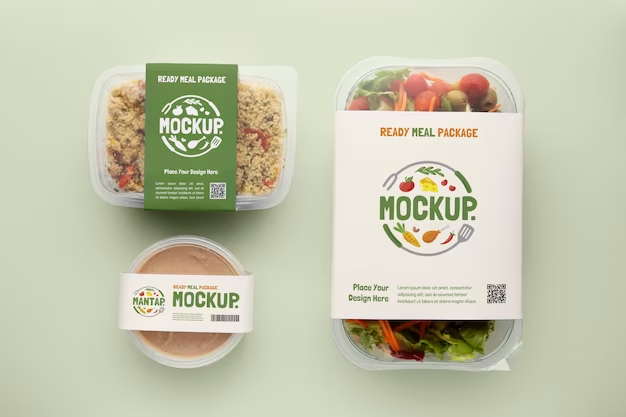
Once the meal type is clear, decide how the food should physically sit inside the package. Ready-to-eat meals are usually packed in trays, rollstock packs, or vacuum packs for certain meal components.
Packaging Format | Best For | Main Advantage |
Tray packaging | Ready meals, prepared foods, sauced meals | Portion control and stable presentation |
Rollstock/thermoforming packaging | Consistent meal sizes, higher-volume lines | Continuous forming, sealing, and cutting |
Vacuum packaging | Cooked proteins, sauces, side portions | Reduced air exposure and compact protection |
Tray packaging is one of the most common formats for ready-to-eat meals. The meal is placed into a pre-made tray and sealed with top film. This format works well when the meal needs structure, portion control, liquid control, or a microwave-ready or retail-ready presentation.
Tray packaging is useful when your meal needs:
Stable presentation
Compartment separation
Sauce or liquid control
Portion consistency
Clear retail display
Microwave-ready handling where suitable
For ready meal production, Hualian Machinery's ready meal packaging solutions including MAP, vacuum, sealing-only, and VSP—allowing you to select the ideal format based on specific product characteristics. We also provide equipment with varying speed capabilities and configurations, such as tabletop, vertical, rotary, linear, and fully automatic tray-packaging machines, enabling you to choose the best fit for your production volume requirements.
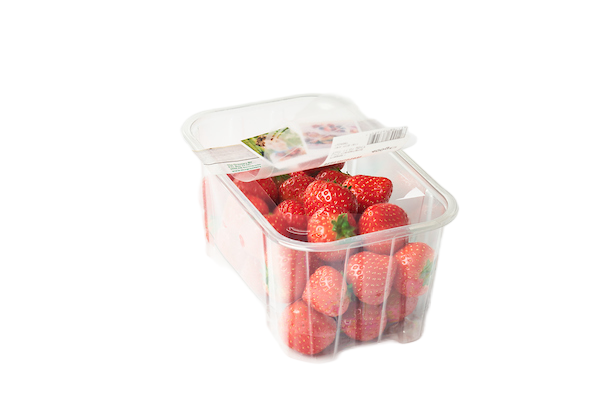
Thermoforming packaging forms the pack from rollstock film before the product is loaded and sealed. Instead of placing food into a pre-made tray, the machine forms the cavity from film during production.
This can fit ready meal producers that need continuous packaging, consistent pack sizes, and integrated forming, sealing, and cutting. It may also be useful when you want to build the packaging around a specific meal size rather than rely only on pre-made tray formats.
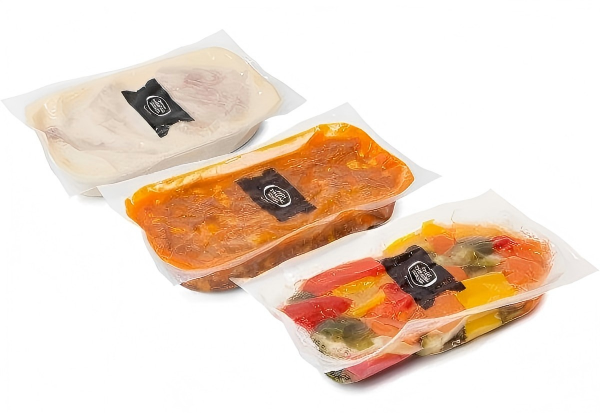
Vacuum packaging removes air before sealing. It may work for cooked proteins, sauces, side portions, or meal components that benefit from reduced oxygen exposure.
However, vacuum packaging may not suit full meals that can be crushed, flattened, or lose presentation under pressure. Use it where air removal protects the product without damaging the food's appearance or texture.
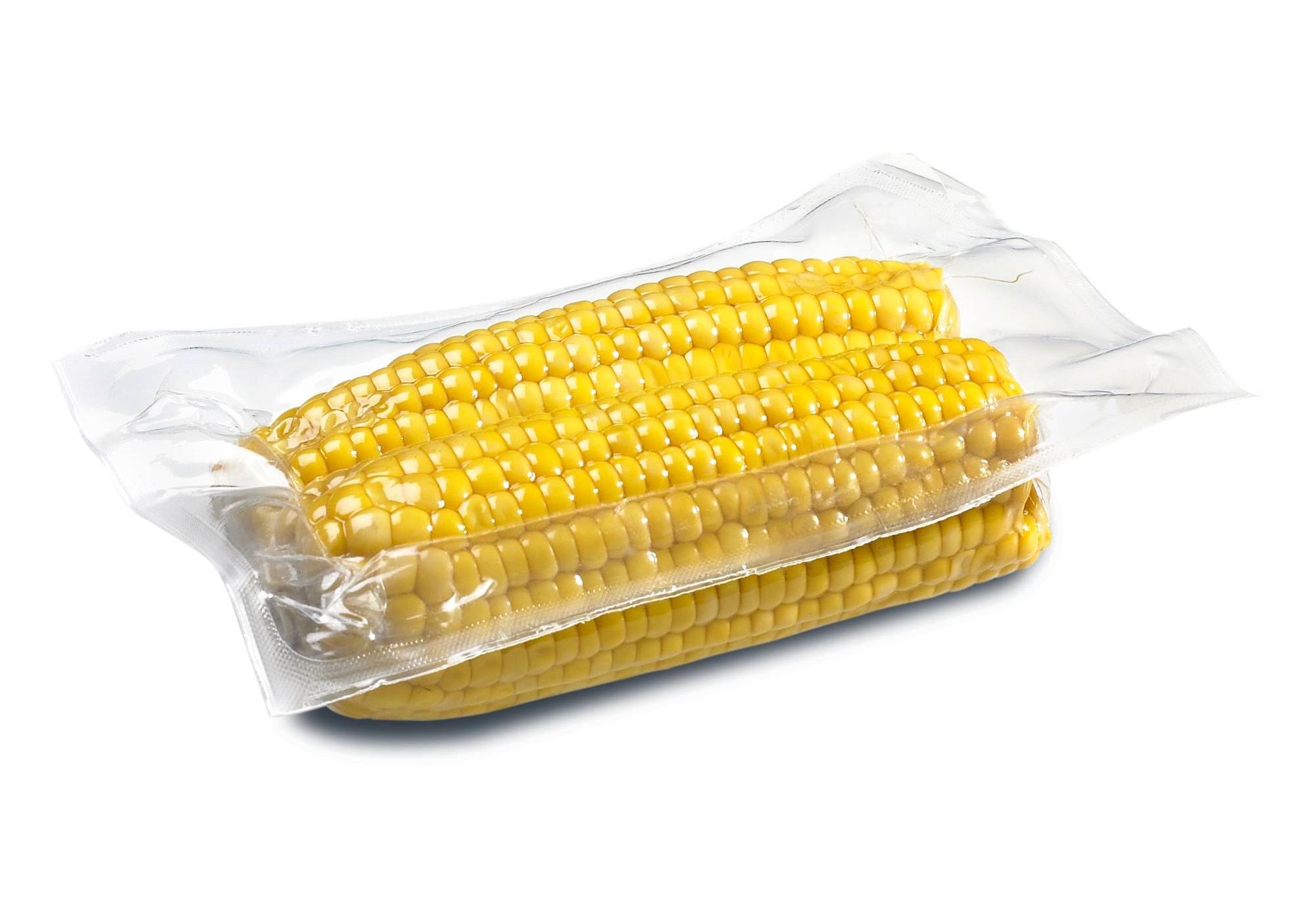
Not every ready-to-eat meal needs the same shelf-life strategy. Short local distribution may only require secure sealing and chilled handling. Longer chilled retail distribution may need modified atmosphere packaging, stronger barrier film, and stricter seal control. Frozen meals need materials that can handle freezing, transport, storage, and reheating where relevant.
MAP, or modified atmosphere packaging, replaces the air inside the package with a controlled gas mixture. It is often used when chilled ready meals need better freshness support and longer retail stability.
MAP performance depends on:
Correct gas mixture
High-barrier film
Strong sealing
Clean tray rims
Controlled storage temperature
For chilled meals, fast food trays, lunch boxes, pre-prepared foods, catering, supermarkets, and food industry applications, the Automatic Food MAP Tray Sealer fits into the type of workflow where vacuuming, gas flushing, sealing, and film cutting need to work together.
Once the packaging method is chosen, sealing becomes one of the most important parts of ready-to-eat meal packaging. Sauces, oils, steam, crumbs, and moisture can interfere with sealing if the process is not controlled.
Your main sealing checks should include:
Clean tray rims
Correct tray depth
Correct fill level
Sealing temperature
Sealing pressure
Film-tray compatibility
Stable product loading
Seal quality should be built into the packaging process, not treated as a final inspection issue. If food touches the sealing area, if trays are overfilled, or if the film does not match the tray material, the finished pack may leak even when the machine appears to be working properly.
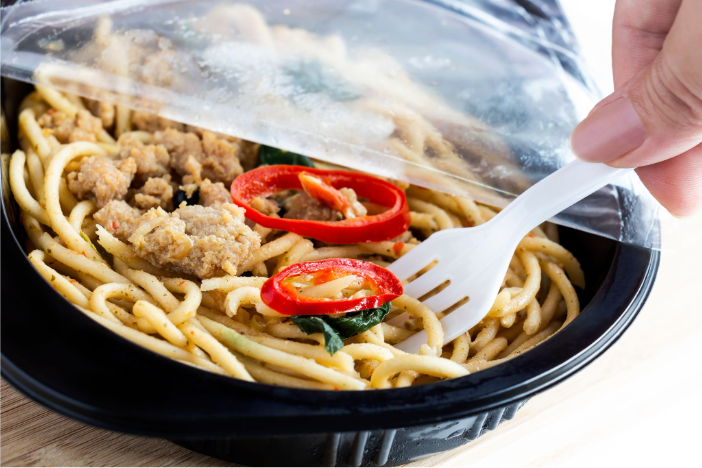
Packaging materials should match the food, storage method, shelf-life target, and heating requirements. The material must protect the meal without affecting taste, appearance, reheating, or handling convenience.
Important material requirements include:
Material Requirement | Why It Matters |
Food-contact safety | Keeps packaging suitable for direct food use |
Oil and moisture resistance | Helps prevent leaks and material breakdown |
Oxygen barrier | Supports freshness and shelf-life protection |
Anti-fog properties | Improves retail visibility |
Peelable film | Makes the meal easier to open |
Freezer suitability | Prevents cracking or poor performance in frozen storage |
Microwave or oven suitability | Supports reheating where required |
The wrong material can cause seal failure, poor shelf life, foggy presentation, leakage, or poor reheating performance. Always match the tray and film to the actual food and storage condition.
Packaging ready-to-eat meals is not only about choosing a tray or machine. You also need a workflow that keeps food moving cleanly from portioning to storage.
A practical ready meal packaging workflow usually includes:
Portion the cooked meal.
Load the meal into trays or formed packs.
Seal the pack.
Apply MAP or vacuum where needed.
Code or label the package.
Inspect seal and pack quality.
Move packs into secondary packaging.
Store or dispatch under the correct temperature conditions.
Common bottlenecks happen at loading, sealing, labeling, inspection, and cold-chain transfer. If the food waits too long between cooking, cooling, packaging, and storage, your packaging method may not deliver the shelf-life result you expected.
The machine should be chosen only after the meal type, packaging format, shelf-life goal, materials, and workflow are clear.
Use the table below as a practical guide:
Packaging Need | Machine Direction |
Meals packed in pre-made trays | Tray sealer |
Chilled meals needing controlled atmosphere | MAP tray sealer |
Cooked proteins or components needing air removal | Vacuum packaging machine |
Higher-volume rollstock packaging | Thermoforming packaging machine |
Multiple ready meal tray formats | Flexible tray sealing setup |
Tray sealers work well when your meals are packed in pre-made trays. MAP tray sealers are better when chilled meals need controlled-atmosphere packaging. Vacuum packaging machines may suit components that benefit from air removal. Thermoforming machines can fit lines that need rollstock packaging, higher consistency, and integrated forming, sealing, and cutting.
Hualian Machinery's ready meal packaging range includes tray sealing, vacuum gas packaging, MAP tray sealing, rotary tray sealing, and thermoforming systems, so the machine choice can be matched to your meal type, output target, and pack format.
Ready-to-eat meal packaging should follow the meal’s actual needs, from portion structure to shelf life and storage. Start by identifying the meal type, then choose the right pack format, preservation method, seal control, materials, workflow, and machine.
Tray sealing, MAP, vacuum packaging, and thermoforming can all work, but each one fits a different ready-to-eat meal format and production goal. If the meal needs tray structure and presentation, tray sealing may be best. If it needs a longer chilled shelf life, MAP may be useful. If you need continuous rollstock packaging, thermoforming may be the better route.
If you need help choosing a ready-to-eat meal packaging machine based on meal type, shelf-life target, packaging format, and production scale, Hualian Machinery can help you compare the right equipment options for your line.
The best method depends on the meal type, shelf-life target, storage condition, and presentation needs. Tray sealing is common for ready meals, MAP is useful for chilled retail meals, vacuum packaging can work for suitable components, and thermoforming may fit higher-volume rollstock lines.
Chilled ready meals are often packed in sealed trays with barrier film. If longer shelf life is needed, MAP may be used with the right gas mixture, strong sealing, clean tray rims, and controlled refrigeration.
Some ready-to-eat meal components can be vacuum packed, such as cooked proteins, sauces, or side portions. Full meals may not always suit vacuum packaging because pressure can flatten the food or affect presentation.
MAP is used to support freshness and chilled shelf life by replacing the air inside the package with a controlled gas mixture. It works best when combined with high-barrier film, strong sealing, clean tray rims, and proper cold storage.
Leakage prevention depends on correct tray depth, controlled fill level, clean sealing areas, compatible tray and film materials, accurate sealing temperature and pressure, and stable product loading before sealing.

 English
 简体中文
简体中文 ไทย
ไทย Pусский