Views: 0 Author: Site Editor Publish Time: 2026-03-31 Origin: Site


Table of Content
Vacuum Packaging vs Shrink Wrapping Key Differences
Vacuum Packaging Explained
Shrink Wrapping and Shrink Film
Vacuum Packaging vs Shrink Wrapping Comparison
Choosing the Right Packaging Solution
Practical Applications and Case Studies
Common Myths and Misconceptions
Best Practices and Tips
FAQ
Vacuum packaging vs shrink wrapping are two distinct methods of packaging. Vacuum packaging removes air and seals the package tightly, while shrink wrapping utilizes heat to wrap film around products. Studies indicate that the type of packaging can significantly affect the longevity and quality of items. Effective barriers against moisture and oxygen are essential for keeping food safe and fresh. Choosing the appropriate packaging method is crucial to prevent spoilage and maintain product value. Hualian offers excellent machines for both vacuum packaging and shrink wrapping solutions.
Vacuum packaging takes air out of the package. This helps food last longer. It keeps food fresh for many years.
Shrink wrapping uses heat to wrap products in plastic film. This makes products look better. It also keeps dust away from them.
Pick vacuum packaging for foods like meat and cheese. Shrink wrapping works best for store items and big shipments.
Vacuum packaging protects against moisture and bacteria. It is good for electronics and medical supplies.
Shrink wrapping saves money for big groups of products. It makes products shine and stand out in stores.
Both methods use plastic. Think about recycling to help the environment.
For vacuum packaging, keep bags clean. Do not fill them too much. For shrink wrapping, use heat evenly for a tight seal.
Hualian has good machines for both packaging types. They help businesses find the best choice for their needs.
When you look at vacuum packaging vs shrink wrapping, you see two ways to protect products. Each uses its own materials and steps. The table below shows how these two packaging solutions are not the same:
Feature | Vacuum Packaging | Shrink Wrapping |
|---|---|---|
Description | Removes air from the package before sealing, creating a vacuum. | Uses a plastic film that shrinks tightly around the product when heated. |
Common Uses | Perishable foods, electronics, medical equipment. | Consumable goods, metals, electronics, large shipments. |
Advantages | Extends shelf life, reduces contamination risk, minimal use of preservatives. | Cost-efficient for large packages, enhances shelf display with high-gloss finish. |
Disadvantages | High initial costs, not suitable for very large packages. | Not for heat-sensitive items, heating can distort printed materials. |
Process Steps | Air evacuation, sealing with heat. | Wrapping, heating to shrink the film. |
Materials | Polyamide (PA) and polyethylene (PE). | Polyolefins (PVC, PE, POF). |
Durability | Superior moisture and microbial protection, durable. | Durable, conforms to product shape. |
Cost | High initial costs due to specialized equipment. | Cost-efficient for large packages. |
Shelf-life Extension | Years. | 6-12 months. |
This table lets you quickly spot the main differences in materials, steps, and protection. You can use it to help pick which packaging method is best for you.
Vacuum packaging vs shrink wrapping are different in four big ways: process, materials, protection, and best uses.
Process
With vacuum packaging, air is taken out of the package. You put the product in a special bag. The machine removes the air and seals the bag tight. This keeps out moisture and oxygen. Shrink wrapping is not the same. You cover the product with a plastic film. Heat makes the film shrink and fit close to the item. This does not remove air but makes a tight outer layer.
Packaging Materials
Each method uses its own materials. Vacuum packaging uses polyamide and polyethylene. These keep out moisture and germs. Shrink wrapping uses polyolefins like PVC, PE, or POF. These films are bendy and fit many shapes. Both are strong, but vacuum packaging gives better protection from moisture and germs.
Protection
Vacuum packaging is best for stopping spoilage. It keeps things fresh for years. You can use it for meat, cheese, seafood, and electronics. The vacuum stops air, so bacteria and mold cannot grow. Shrink wrapping also protects. It keeps out dust and moisture. It is good for things that need to look nice in stores. The shiny film helps products stand out and stops tampering.
Ideal Uses
Pick vacuum packaging for foods that spoil, medical supplies, and sensitive electronics. In food, use it for meat, poultry, cheese, dairy, seafood, snacks, grains, and ready meals. In medicine, it keeps tablets, capsules, and devices safe and clean. For electronics, it blocks moisture and dust. Shrink wrapping is best for store goods, big shipments, and things that need to look neat. Use it for toys, books, makeup, and bundled items.
Tip: If you need long shelf life and strong protection, choose vacuum packaging. If you want nice-looking packaging and to save money on big batches, shrink wrapping is a good choice.
Vacuum packaging vs shrink wrapping gives you two strong choices. You can pick the right materials and steps for your product. This helps keep things safe, fresh, and ready for customers.
Vacuum packaging helps protect things by taking out the air. People use it for food, electronics, and medical items. When there is no air, bacteria cannot grow fast. This keeps food fresh for a longer time. Experts say vacuum packaging means sealing food after removing the air. This way, both fresh and processed foods last longer. You can also use vacuum packaging for household and factory items. Taking out air with bacteria stops spoilage and keeps things safe. Bacteria that need air cannot grow, so your products stay good.
Here are the steps for vacuum packaging:
Put your product in a vacuum bag. Place the bag in the chamber sealer. Make sure the bag’s end is on the seal bar.
Close the lid tight. The machine starts to suck out the air from the chamber.
The machine uses heat to seal the bag. The sealing wires melt the bag layers together.
When sealing is done, air goes back into the chamber. The bag fits tightly around your product.
Vacuum packaging keeps food safe and makes it last longer. With no air, bacteria and mold cannot grow. You can use vacuum packaging for meat, cheese, seafood, and snacks.
There are different vacuum packaging machines. Chamber vacuum packaging machines are good for big batches. You put the product in the chamber, and the machine takes out the air and seals the bag. External vacuum packaging machines are better for small items. These machines are fast for quick jobs. Hualian sells both manual and automatic vacuum packaging machines. You can pick the best machine for what you need.
Hualian vacuum packaging machines give you many good things. Hualian has more than 35 years of experience. Their machines have ISO and CE certifications. Hualian works hard on new ideas and has over 200 patents. You can get a vacuum packaging solution made just for you. Hualian gives technical help and full system setup. You get good prices and service you can trust. Hualian vacuum packaging machines help keep your products safe, make them last longer, and work better.
Note: You can count on Hualian for top-quality vacuum packaging machines for food, medicine, and industry.

Vacuum packaging is used in many industries. It helps keep products safe and fresh. When you use vacuum packaging, you take out the air. This keeps out moisture, dust, and germs. You can use vacuum packaging for food, electronics, and medical supplies.
Food companies use vacuum packaging a lot. It helps keep meat, cheese, seafood, and snacks fresh for a long time. Vacuum packaging stops freezer burn. It also keeps food from drying out. Farmers use vacuum packaging too. They use it for grains, nuts, fruits, and vegetables. The airtight seal keeps out bugs and mold. It also protects fruits and vegetables when they are shipped.
Vacuum packaging is important for electronics. It helps protect circuit boards and other small parts. The vacuum keeps out dust and water that can hurt electronics. In medicine, vacuum packaging keeps things like tools and medicine safe. The vacuum seal keeps these items clean and germ-free.
Factories use vacuum packaging to work faster. Machines can pack things quickly and save money on workers. These machines help cut down on waste and save energy. You get better seals and fewer broken products. With vacuum packaging, you can keep products good for longer.
Tip: If you want to keep products fresh and waste less, vacuum packaging is a smart idea for your business.
You should know the main good and bad things about vacuum packaging before you pick it.
Pros | Cons |
|---|---|
Most foods still need to be kept cold or frozen | |
Makes food and other things last longer | Some germs can live without air, so you still need to be careful |
Helps you waste less food | Some foods, like bread and liquids, do not seal well |
Lets you pack food in small amounts for easy use | Some foods, like raw onions and garlic, are not good for vacuum packaging |
Stops smells from spreading | Vacuum packaging does not stop all spoilage |
Works for cold, frozen, and dried foods | Some foods, like fish, need special care to stay safe |
Vacuum packaging has many good points, especially for keeping food safe and fresh. You can use it in many different jobs. But remember, you still need to follow other safety rules. Always use best practices to keep your products safe and fresh.
Shrink wrapping is a method you use to protect and display products. You wrap items with shrink film, which is a type of plastic. When you apply heat, the shrink film tightens around the product. This creates a secure and neat package. You often see shrink wrapping in stores. It keeps products clean and safe from dust. Shrink wrapping works well for many shapes and sizes. You can use it for books, toys, food, and electronics. Shrink film is one of the most popular packaging materials because it gives a shiny finish and helps products look attractive. You can use shrink wrapping to bundle items together or to seal single products. Unlike vacuum packaging, shrink wrapping does not remove air from the package. Instead, it forms a tight layer around the item. You can use shrink film for both small and large products. Many industries rely on shrink wrapping to protect goods during shipping and storage. Shrink film is flexible and strong. You can use it for packaging materials that need extra protection. Shrink wrapping is different from stretch film, which stretches to wrap items without heat. Shrink film uses heat to shrink and fit the product. You can use shrink wrapping to keep products safe and improve their appearance.
You follow several steps to shrink wrap a product. Each step helps you create a strong and attractive package.
Product Preparation
You make sure the product is clean and dry. You place it in the right position for packaging.
Film Selection and Loading
You choose the right shrink film based on the product’s size and shape. You load the shrink film onto the wrapping machine.
Wrapping the Product
You wrap the shrink film around the product. You can do this by hand or with a machine.
Sealing the Film
You use a heat sealer to join the edges of the shrink film. You can use different seal types for different packaging materials.
Shrinking the Film
You apply heat to the shrink film. The film shrinks tightly around the product. You can use a shrink tunnel or a heat gun.
Cooling and Final Inspection
You let the package cool. You check the package to make sure it looks good and protects the product.
Secondary Operations (Optional)
You can add labels or group items for shipping.
Packing and Distribution
You pack the shrink-wrapped products for transport or storage.
Shrink wrapping gives you a package that is clean, tight, and safe. You can use shrink film to protect products from moisture and dust. Shrink wrapping is a smart choice for many types of packaging materials. You can use shrink film for food, electronics, and retail items. Shrink wrapping is different from vacuum packaging because it does not remove air. You use shrink film to create a strong barrier around the product. You can use stretch film for bundling, but shrink film gives a tighter fit. Shrink wrapping helps you keep products safe and ready for sale.
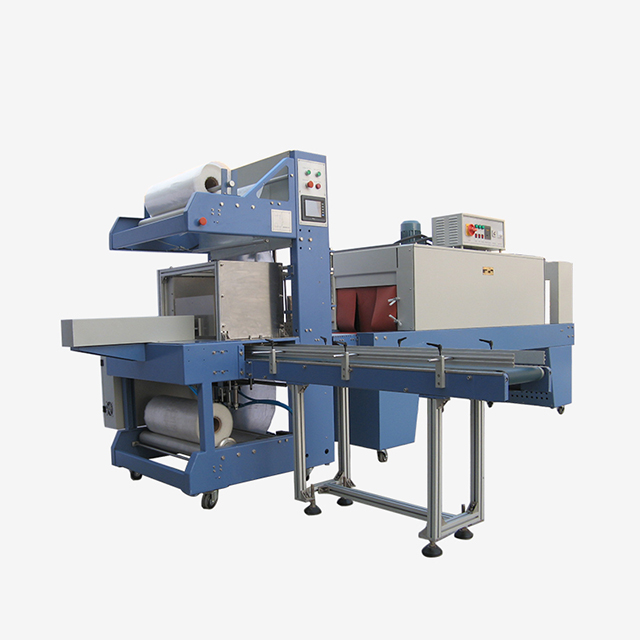
You can use different machines for shrink wrapping. Each machine helps you work faster and get better results.
Chamber Shrink Wrapping Machines
You place the product inside a chamber. The machine wraps the shrink film and applies heat. You get a tight and neat package.
L-Bar Sealer Machines
You use an L-shaped bar to seal the shrink film around the product. You then use a heat tunnel to shrink the film.
Side Sealer Machines
You use these machines for long or irregular products. The machine seals the sides and shrinks the film.
Automatic Shrink Wrapping Machines
You use these machines for high-speed packaging. The machine wraps, seals, and shrinks the film without much help.
Heat Tunnels
You use heat tunnels to shrink the film after sealing. The tunnel gives even heat and makes the package look smooth.
You can choose the right machine based on your product and packaging materials. Shrink wrapping machines help you save time and get strong packages. You can use shrink film with these machines to protect and display products. Shrink wrapping is a good way to keep products safe and make them look good. You can use stretch film for bundling, but shrink film gives a tighter seal. Shrink wrapping machines help you pack products for shipping and storage. You can use shrink film for many types of packaging.
Tip: You can use shrink wrapping machines to package products quickly and safely. Shrink film gives you a strong and shiny package that stands out.
Shrink wrapping is used in many industries. Shrink film fits almost any product. It gives strong protection and looks neat. You see shrink wrapping in food packaging. It covers cheese, meats, vegetables, and plants. Shrink film keeps these items safe from moisture and dust. Factories use shrink wrapping for big equipment and freight. It also covers scaffold wrap. Shrink film protects large items during shipping.
Shrink wrapping is common for consumer goods. You find shrink film around books and comics. It keeps them clean and stops damage. Shrink wrapping helps in environmental work. It contains asbestos and lead. Disaster recovery teams use shrink film to seal dangerous areas.
Sector | Typical Products |
|---|---|
Food Packaging | Cheese, meats, vegetables, plants |
Industrial Uses | Large plant equipment, palletized freight, scaffold wrap |
Consumer Goods | Books, premium comics, and manga |
Environmental Uses | Asbestos and lead containment, disaster recovery |
Shrink film comes in different types and thicknesses. You can pick the right shrink film for your product. Cosmetics companies use shrink film for single items or groups. Food and beverage companies use shrink film as a second layer for containers. Travelers use shrink film to protect luggage. Medical workers use shrink film for fragile products. Pet stores use shrink film to group toys or food containers. Construction workers use shrink film to protect building materials.
Shrink film is flexible. You can wrap small items or big equipment. You can use shrink film for packaging, shipping, and storage. Shrink film helps keep products safe and ready to sell.
Tip: Shrink film makes products look better and protects them from damage.
Shrink wrapping has many benefits. It protects against dust and moisture. Shrink film makes products look shiny and nice. You can pack products quickly and group them easily.
Pros | Cons |
|---|---|
Excellent protection against external elements | Harder to recycle and may end up in landfills |
Enhances product presentation | Disposal poses challenges |
Improves efficiency in packaging processes | Some users find it tricky to handle during application |
Shrink film gives strong protection and a neat look. You can use shrink film for many products and jobs. You need to think about recycling and disposal. Some shrink film is hard to recycle. Shrink film can be tricky to use at first. You can learn to use it with practice.
Note: Shrink film protects products and makes them look better. You should dispose of shrink film in a responsible way.
There are clear differences between vacuum packaging and shrink wrapping. Vacuum packaging takes out air before sealing the package. This makes a vacuum that keeps the product safe. Shrink wrapping uses shrink film to cover the item. You heat the film, and it gets tight around the product. This process does not remove air but makes a snug layer.
Vacuum packaging is best for things that do not like air or moisture. You use special bags made from polyamide and polyethylene. These materials keep out moisture and germs. Shrink wrapping uses shrink film made from PVC, PE, or POF. You wrap the product, seal the film, and heat it to shrink. Shrink film fits many shapes and sizes.
Here is a table showing the main differences:
Feature | Vacuum Packaging | Shrink Wrapping |
|---|---|---|
Process | Removes air from the package before sealing | Wraps product in shrink film and applies heat |
Ideal Use | Products sensitive to air or moisture | Products needing a tight seal for shipping |
Preservation Mechanism | Slows growth of aerobic bacteria and mold | Provides a tight seal to prevent contamination |
These are the steps for shrink wrapping:
Product Preparation
Film Selection and Loading
Wrapping the Product
Sealing the Film
Shrinking the Film
Cooling and Final Inspection
Secondary Operations (Optional)
Packing and Distribution
Hualian has machines for both packaging methods. You can pick the machine that fits your needs.
Vacuum packaging gives strong protection. It makes a vacuum and lowers oxygen levels. This stops spoilage and makes shelf life longer. You use vacuum packaging for food, like meats. The vacuum slows bacteria, mold, and yeast. You seal the product tightly, so it stays safe.
Shrink wrapping keeps air inside the package. Shrink film protects items from dust and moisture. Shrink wrapping is good for things like electronics, books, and bundled products. Shelf life is shorter than vacuum packaging because air stays inside.
Vacuum packaging does not use perforated films. It uses suction to take out oxygen. The product stays fresh for longer. Shrink film makes a tight seal but does not remove air. You use shrink film for items that need a snug fit when shipped.
Tip: If you want food to stay fresh for a long time, vacuum packaging is best. If you need to protect and show products, shrink wrapping with shrink film works well.
You should think about cost and efficiency when picking a packaging method. Vacuum packaging machines cost more at first. You pay for special equipment. The process takes longer because you remove air and seal each package. You get better protection and longer shelf life, which saves money later.
Shrink wrapping is cheaper for big batches. You use shrink film to wrap many items fast. The machines work quickly and handle lots of products. You spend less on materials and labor. Shrink film fits many shapes, so you can package different things with one machine.
Hualian sells both vacuum packaging and shrink wrapping machines. You can choose what fits your budget and needs. You save money with shrink film for big shipments. You use vacuum packaging for products that need strong protection.
Note: Think about your product, shelf life, and budget before choosing vacuum packaging or shrink wrapping with shrink film.
When you pick how to package things, you help the environment. Both vacuum packaging and shrink wrapping use plastic. Plastic keeps products safe but also makes trash. Almost 40% of all plastic is used for packaging. This is a big problem in many places. In the UK, people throw away 2.2 million tonnes of plastic packaging each year. Most of this plastic is not recycled. It goes to landfills or ends up in rivers and oceans.
Vacuum packaging uses strong plastics like polyamide and polyethylene. These keep food and other things safe from water and germs. You see vacuum packaging a lot with food. The bags are thick and last a long time. They help food stay fresh. Shrink wrapping uses films like PVC, PE, and POF. These films are soft and wrap tightly around products. You see shrink wrapping on books, toys, and electronics in stores. The film looks shiny and keeps out dust.
You should think about recycling. Some vacuum packaging bags are hard to recycle. This is because they have many layers of plastic. Shrink films can be recycled if you sort them right. But many recycling centers do not take mixed plastics. You can help by picking packaging that is easy to recycle. Hualian cares about the environment. Their machines work with bags and films that are safe and meet world standards.
Here are some facts about plastic waste and recycling:
Almost 40% of all plastic is used for packaging.
In the UK, 2.2 million tonnes of plastic packaging waste is made each year.
Most plastic packaging is not recycled. It ends up in landfills or pollutes nature.
You can make less waste by using machines that use less plastic. Hualian makes machines that use less film and seal tightly. This means less plastic is wasted. You can also use films that break down faster. These are called biodegradable or compostable films. They are better for the earth.
Tip: Always check if your packaging can be recycled. You help the earth when you use less plastic and recycle more.
You can help by picking the best packaging. Vacuum packaging and shrink wrapping both protect products well. You need to think about safety and the environment. Hualian gives you choices for packaging that saves plastic and works well. You can pick machines and materials that help you and the planet.
When you pick packaging for your business, you need to think about a few important things. Every product is different and needs its own kind of packaging. The right choice keeps your items safe, saves money, and helps your products look good in stores.
First, look at what you want to pack. Some things, like fresh meat or cheese, spoil fast. These need vacuum packaging. This method takes out air and keeps food safe for a long time. Other things, like books or toys, are fine with shrink wrapping. Shrink wrapping is good for products that need a tight seal to stop germs or damage during shipping.
Think about how long you want your products to last. If you want them to stay good for a long time, vacuum packaging is a smart pick. It keeps out air and water, so food and other items spoil slower. This is important for food, medicine, and electronics. Shrink wrapping also protects things, but it does not keep them fresh as long as vacuum packaging. Pick the packaging that matches how long you want your products to last.
Your budget is important when you choose packaging. Shrink wrapping costs less and works well for big groups of products. It saves space and is easy to use for many shapes and sizes. Vacuum packaging costs more at first, but it gives better safety for things that are valuable or need extra care. You should think about how much you want to spend and how much protection you need.
How your product looks in the store can help you sell more. Shrink wrapping makes products shiny and clear, so people can see what is inside. It also shows if someone has opened the package. Vacuum packaging makes things look neat and clean, especially for food. Pick the packaging that fits your brand and helps people want to buy your product.
Tip: Always think about safety, strength, tamper-resistance, cost, ease of use, and how your product looks when you pick packaging.
Hualian helps you find the best packaging for what you need. They give you help from the start to the end. Here is how Hualian makes special solutions for different jobs:
Packaging design advice helps you pick what is best for your products.
Solution proposal lets you talk with engineers to see if your ideas will work.
Layout and drawing design gives you a clear plan before making anything.
Final confirmation means you say yes to the design before building the machines.
Manufacturing and testing use real materials to make sure everything works right.
Installation and after-sales support help you set up and keep your packaging working well.
You can use Hualian machines for food, drinks, daily chemicals, shipping, medicine, electronics, chemicals, and farming. Hualian’s research team keeps making packaging better. You get over 200 patents and the newest features. This means you always have a packaging solution that fits your business.
Note: Hualian gives you expert help and custom packaging for every job. You can trust their experience to help your products look great in stores and last longer in storage.
Vacuum packaging is used a lot in the food industry. Many hotels and schools use it to get food ready early. For example, Hilton Chicago O'Hare Airport Hotel uses vacuum packaging for big meals. Chefs can make food ahead of time and keep it fresh until it is served. University of Massachusetts Amherst uses vacuum packaging to store food for dining halls. This helps them waste less food and save money on ingredients.
Vacuum packaging keeps meat, seafood, cheese, and snacks safe. Meat stays fresh for weeks without freezer burn. Seafood is safe from bacteria and mold. Farmers use vacuum packaging for grains and nuts. It also works for fruits and vegetables. The airtight seal keeps out moisture and bugs. Hualian machines help you pack food fast and safely. You get longer shelf life and less waste.
Tip: Vacuum packaging lets you make lots of food at once and keep it safe for people to eat.
Shrink wrapping changes how products are packed and shown in stores. You wrap items in shrink film and heat it up. The film gets smaller and fits tightly around the product. This keeps dust, water, and tampering away. You see shrink wrapping on bakery goods, fruits, and vegetables. It keeps food fresh and stops air and bugs from getting in.
Shrink wrapping also makes products look better. The shiny film helps products stand out. You can put your brand or special offers on the film. Tamper-evident seals show if someone opened the package. Shrink wrap can be made from materials that are better for the earth.
Shrink wrap keeps food and produce fresh.
It protects bakery goods and holds drink packs together.
Electronics and appliances stay safe when shipped.
Tamper resistance helps shoppers trust the product.
Note: Shrink wrapping lets you pack many shapes and sizes, so your products look good on store shelves.
Packaging medical and electronic products is hard and needs care. In medicine, you must keep things clean and follow strict rules. Vacuum packaging stops germs and keeps medicine safe. It protects tablets, capsules, and medical tools from germs and water.
Electronics need strong protection from dust and water. Vacuum packaging keeps circuit boards and small parts safe. This helps products stay good during shipping and storage. As more people buy electronics, you need good packaging. Hualian vacuum packaging machines help you keep devices safe and working well.
Tip: Vacuum packaging helps you feel sure that medical and electronic products stay safe and work right.
Factories and farms use packaging all the time. Businesses need strong packaging to keep products safe when moving them. Hualian packaging machines help you work faster and smarter. You can pack grains, seeds, fertilizers, tools, and spare parts easily. These machines handle heavy things and big batches. This makes your job much easier.
Many farms use vacuum packaging to keep seeds dry and fresh. Seeds can stay good for months without moisture or bugs. Factories use shrink wrapping to bundle tools and machine parts. Shrink film keeps dust and water away from metal. You can ship products far and know they will arrive safely.
Hualian machines give you lots of good things. The table below shows these benefits:
Benefit | Description |
|---|---|
Enhanced Production Efficiency | Lets you make more products and meet demand better. |
Reduced Labor Costs | Saves money by needing fewer workers for packaging. |
Consistent Quality | Makes sure every package looks the same and keeps customers happy. |
Customization and Flexibility | Lets you change packaging for different products, which helps with many product types. |
Cost-Effective in the Long Term | You save money over time because machines work fast and need less labor. |
Environmental Considerations | Uses less packaging and helps the environment by making less waste. |
Competitive Edge | Gives you better technology so you can do better than others. |
You can use Hualian machines for many jobs. If you have a factory, you can pack bolts, bearings, and electrical parts automatically. If you have a farm, you can pack vegetables, fruits, and grains quickly. Machines save you time and money because they work faster than people. Your packaging will look neat and professional.
Tip: Automated packaging helps you fill big orders and handle busy times. You can pack more products in less time.
Hualian sells machines to over 100 countries. You can trust their experience and quality. Many companies use Hualian machines to make their work better. You get machines that work well and a team that helps you.
Using efficient machines is good for the earth. Hualian makes systems that use less material and create less waste. You can pick eco-friendly films and bags. This helps you protect nature and save money on supplies.
Modern packaging technology gives you an advantage. Customers like neat packaging and trust your products more. You can change machines to fit different sizes and shapes. This helps you pack many kinds of goods.
If you want your business to grow, you need good packaging. Hualian machines help you pack, protect, and ship products with confidence. You can focus on doing a great job every day.
You might hear things about vacuum packaging that are not true. Let’s talk about some common myths:
Some people think packaging does not change food quality. But packaging keeps food safe from air, water, and light. Good packaging stops food from spoiling and keeps it safe from germs.
You may think vacuum-sealed containers do not keep food fresh. This is wrong. Vacuum-sealed containers help keep food fresh for longer. They slow down bacteria and other tiny germs. These germs make food go bad.
Another myth says vacuum packaging stops all contamination. Vacuum packaging lowers the risk, but you still need to be careful. Some germs can live without air. Always follow food safety rules.
Remember: Vacuum packaging helps keep food safe, but you must handle food properly to stop contamination.
Shrink wrapping has some misunderstandings too. Here are facts you should know:
Many people think shrink wrap breaks down in nature. Most shrink wrap is made from oil, and there are no real biodegradable plastic choices. Some states have rules against calling plastics biodegradable.
You might think recycling shrink wrap is simple. Most shrink wrap goes to landfills. Recycling does not work well for most plastics, including shrink wrap. Reusing materials is a better way to help the earth.
Some people think reusable covers are always better. Most reusable covers are made from man-made materials. They may not help the environment as much as you hope.
People sometimes worry shrink wrap cannot protect against germs. Shrink wrap makes a tight seal that keeps out dust and water. It does not take out air, so it does not stop all germs, but it helps lower the risk during shipping and storage.
Tip: When you pick shrink wrapping, know what it can and cannot do. It protects products, but it will not fix every problem with germs or spoilage.
You can get the best results from vacuum packaging by following these tips:
Choose the right bag size. Make sure the bag fits your product with a little extra space for sealing.
Keep the sealing area clean. Wipe away any food, oil, or water before sealing. This helps the seal stay strong.
Do not overfill the bag. Leave enough space at the top so the machine can seal it well.
Use the correct vacuum level. For soft foods, use a gentle vacuum to avoid crushing them.
Label each package. Write the date and product name on the bag. This helps you track freshness.
Store vacuum-packed foods in the fridge or freezer. Vacuum packaging slows spoilage, but cold storage keeps food safe.
Tip: If you pack liquids, freeze them first. This stops spills during vacuum sealing.
You can make your shrink wrapping look neat and professional with these steps:
Pick the right shrink film. Use PVC, PE, or POF film based on your product’s needs.
Cut the film to the right size. The film should cover the product with a small overlap.
Seal the edges tightly. Use a heat sealer for a clean, strong seal.
Apply heat evenly. Move the heat gun or use a tunnel so the film shrinks smoothly.
Let the package cool before handling. This keeps the wrap tight and clear.
Check for holes or weak spots. Reseal if you find any gaps.
Note: Practice on a few items first. This helps you learn how much heat to use for the best results.
You can keep your packaging machines working well by following these steps:
Task | How Often | What to Do |
|---|---|---|
Clean the machine | After use | Wipe surfaces and remove food or film bits |
Check seals and wires | Weekly | Look for wear or damage |
Lubricate moving parts | Monthly | Use machine oil on hinges and gears |
Inspect electrical parts | Monthly | Make sure cords and plugs are safe |
Replace worn parts | As needed | Use only parts from the machine’s maker |
If you see poor seals or weak vacuum, check for dirt or worn parts. If the film does not shrink well, check the heat settings. You can call Hualian’s support team for help if you cannot fix the problem.
Tip: Regular care helps your machine last longer and keeps your packaging safe.
You have learned how vacuum packaging and shrink wrapping are not the same. Vacuum packaging is good for things that need to last a long time. It also gives strong protection. Shrink wrapping is helpful for showing products and packing them together to ship. Choosing the right way keeps your items safe and makes them look nice. Hualian has reliable machines for both kinds of packaging. If you need help or want to learn more, you can contact Hualian or go to their website. Your products should always have the best packaging.
Vacuum packaging takes out air and seals the package tight. Shrink wrapping uses heat to wrap film around the product. One gives a vacuum seal, and the other makes a tight outside layer.
You can vacuum pack liquids if you freeze them first. Freezing stops spills when you seal the bag. Always pick a bag that fits the liquid and keep the seal area clean.
Vacuum packaging keeps food fresh for a longer time. It removes air, so food spoils slower. Shrink wrapping blocks dust and moisture but does not keep food fresh as long.
You can use Hualian machines with easy controls. The instructions are clear and simple to follow. If you need help, Hualian’s team can support you.
You need shrink film made from PVC, PE, or POF. Pick the film based on your product’s size and shape. You also need heat, like from a tunnel or a heat gun.
Both ways use plastic. You help the earth by picking recyclable or biodegradable films. Hualian machines use less material and have eco-friendly choices.
You can use vacuum packaging for electronics. The vacuum seal keeps out moisture and dust. This helps protect sensitive parts during shipping and storage.

 English
 简体中文
简体中文 ไทย
ไทย Pусский