Views: 0 Author: Site Editor Publish Time: 2026-05-28 Origin: Site


Table of Content
Vacuum, MAP, and Skin Packaging: The Simple Difference
How Each Packaging Method Works
Vacuum vs MAP vs Skin Packaging: Quick Comparison
Match the Method to the Product’s Main Need
What Each Method Requires From the Packaging Line
A sealed pack can protect a product in different ways. Sometimes the goal is to remove air and make the package tighter. Sometimes the product needs a controlled gas environment to support chilled shelf life. In other cases, the main priority is keeping the product fixed in place so it looks clean and stable on display.
That is why vacuum, MAP, and skin packaging should not be chosen by popularity or machine type alone. Each method solves a different packaging problem. The right choice depends on what your product is most vulnerable to after sealing: oxygen exposure, pressure damage, movement inside the pack, poor presentation, or unstable shelf life.
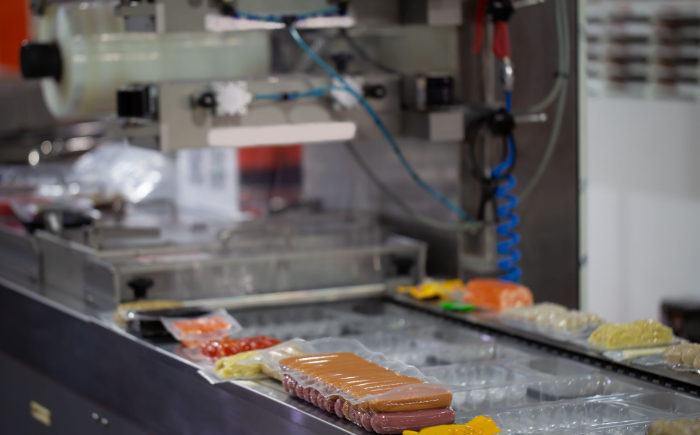
This guide compares vacuum, MAP, and skin packaging based on product behavior, shelf-life goals, presentation needs, material choice, and machine setup so you can choose the method that fits your product and production line.
Vacuum, MAP, and skin packaging are often compared because they all protect products after sealing. The simple difference is the kind of protection each method provides.
Packaging Method | Main Purpose | Best Fit |
Vacuum packaging | Removes air for compact protection | Products that benefit from reduced oxygen and can tolerate pressure |
MAP packaging | Replaces air with a controlled gas mixture | Fresh chilled products that need atmosphere control |
Skin packaging | Holds the product tightly in place | Products that need strong hold, visibility, and premium display |
Vacuum packaging is mainly for air removal and compact protection. MAP is mainly for controlled freshness and chilled retail stability. Skin packaging is mainly for product hold, visibility, and premium presentation.
The best method depends on your product’s weakness, not which option sounds more advanced. If oxygen exposure is the problem, vacuum packaging may be enough. If freshness, color, and chilled retail life are the problem, MAP may be better. If movement, display, and product hold are the problem, skin packaging may be the stronger choice.
Vacuum packaging removes air from the package before sealing. By reducing oxygen inside the pack, it can help slow oxidation and protect products during storage, handling, and transport.
The pack usually becomes more compact after air removal. This can help with storage efficiency, carton packing, and transport, especially for products that do not need a loose or open retail presentation.
Vacuum packaging is often suited for products that tolerate pressure and benefit from oxygen reduction, such as:
Meat portions
Seafood
Cheese
Sausages
Cooked food components
Some medical or industrial items
The main limitation is pressure. Because vacuum packaging removes air and pulls the film around the product, it may crush, flatten, or deform delicate items. Soft bakery products, fragile prepared foods, and products that need an open visual presentation may not perform well in a tight vacuum pack.
Machine choice also depends on your pack format and output target.
MAP, or modified atmosphere packaging, replaces the air inside the pack with a controlled gas mixture before sealing. Instead of pulling the pack tightly around the product, MAP creates a managed internal atmosphere around it.
This makes MAP useful when your product needs more than basic air removal. It is often chosen for chilled products that need better freshness support, color stability, texture protection, or retail shelf life.
MAP performance depends on several factors working together:
Correct gas mixture
High-barrier film
Strong sealing
Product behavior
Clean tray rims or seal areas
Controlled storage temperature
MAP is often used for:
Fresh meat
Seafood
Ready meals
Dairy products
Fresh produce
Protein products
The main limitation is process control. MAP only works well when the gas mixture, barrier film, sealing quality, and cold chain are all properly managed. A poor seal, unsuitable film, wrong gas ratio, or weak temperature control can reduce the value of the package quickly.
For tray-based food packs, a system such as the HVT-450A Automatic Food MAP Tray Sealer fits the type of workflow where PP or PE trays need vacuuming, gas flushing, sealing, and film cutting in one controlled packaging process.
Skin packaging uses film that fits closely around the product and seals to a tray, board, or lower film. The goal is not only preservation but to also hold the product and give it a good presentation.
In skin packaging, the film follows the product’s shape closely. This helps reduce movement inside the pack during handling, display, and transport. It can also make the product more visible because the film sits tightly over the item rather than leaving it loose inside the package.
Skin packaging is often used for:
Meat cuts
Seafood portions
Premium food products
Tools
Hardware
Shaped retail products
The main strength is stability. If the product needs to stay fixed in position and look clean on display, skin packaging can be a strong option. It is often chosen for products where visual appeal matters as much as protection.
The main limitation is fit. Skin packaging needs suitable film, stable product height, and careful product placement. If the product is too tall, too irregular, or poorly positioned, the film may not conform cleanly. If the film is not suitable, it may tear, wrinkle, or fail to seal properly.
Use the table below as a quick way to compare the three methods before choosing a machine or material.
Decision Point | Vacuum Packaging | MAP Packaging | Skin Packaging |
Main goal | Remove air | Control internal atmosphere | Hold product in place |
Pack appearance | Compact and tight | Tray or pack with headspace | Close-fitting and display-focused |
Best for | Products that tolerate pressure | Fresh chilled retail products | Products needing hold and visibility |
Common products | Meat, seafood, cheese, sausages | Fresh meat, ready meals, produce, dairy | Premium meat, seafood, tools, hardware |
Shelf-life support | Good for oxygen reduction | Strong when gas, film, and cold chain are controlled | Depends on film, seal, and product type |
Main risk | Crushing or flattening product | Poor gas mix, weak seal, wrong film | Poor film fit or product placement |
Material need | Strong seal and barrier film | High-barrier film or tray-film system | Conforming skin film and stable base |
Best question to ask | Can the product tolerate vacuum pressure? | Does the product need controlled atmosphere? | Does the product need strong hold and display? |
The easiest way to choose between vacuum, MAP, and skin packaging is to focus on the product problem you are trying to solve. Do not start with the machine. Start with the product’s weakness.
Choose vacuum packaging when your product benefits from reduced oxygen and compact storage. This is especially useful when oxygen exposure can affect quality, color, freshness, odor, or storage stability.
Vacuum packaging works best when the product can tolerate pressure. Because the film tightens after air removal, the product should not be easily crushed, flattened, or deformed.
Vacuum packaging may fit:
Cheese
Sausages
Seafood portions
Cooked components
Bulk meat packs
Some industrial or medical items
Vacuum packaging may be less suitable for delicate foods, soft products, fragile retail items, or products that need a more open visual presentation. If the product loses shape under pressure, vacuum may protect it in one way but damage it in another.
You should also consider how the product will be handled after sealing. Compact vacuum packs can be efficient for storage and transport, but they may not offer the same retail display appeal as tray MAP or skin packaging.
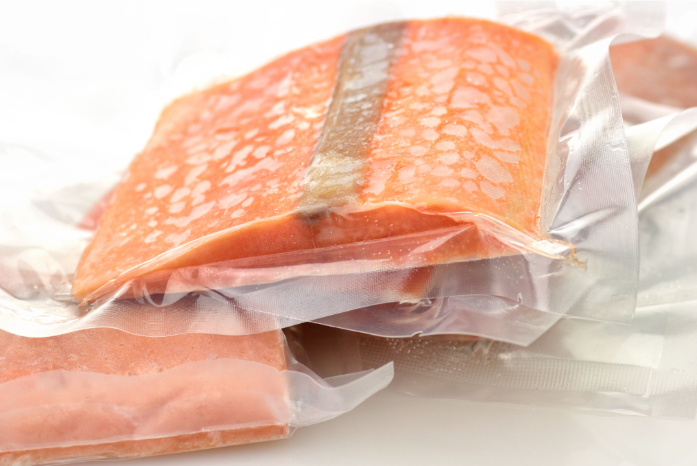
Choose MAP when the product needs a controlled atmosphere for chilled storage or retail display. MAP can help when freshness, color, texture, or shelf stability matters and the product should not be tightly compressed.
MAP may fit:
Fresh meat
Ready meals
Dairy products
Seafood
Fresh produce
Protein products
MAP is often used when you need a product to look good in chilled retail conditions while also receiving shelf-life support. For example, some fresh foods need a package that supports appearance, gas balance, and protection without pressing film tightly against the product.
However, MAP is not a shortcut. It only works well when the gas mix, barrier film, sealing, and cold-chain control are all right. If one part fails, the package may not protect the product as expected.
Before choosing MAP, ask:
What gas mixture does the product need?
Can the film or tray-film system hold the gas environment?
Can the machine seal consistently?
Will the product stay under the correct storage temperature?
Is the tray rim or seal area clean enough for reliable sealing?
If you cannot control these factors, MAP may add cost without delivering the intended benefit.
Choose skin packaging when your product needs to stay fixed in place and remain clearly visible. Skin packaging is often chosen for presentation and handling stability, not only shelf life.
Skin packaging may fit:
Premium meat cuts
Seafood portions
Tools
Hardware
Shaped retail products
Products that need a secure display position
This method can help prevent the product from sliding inside the pack. It also creates a neat appearance because the film follows the product shape. For retail products, that can make the pack look more controlled and premium.
But skin packaging depends heavily on product height, film fit, and placement accuracy. If the product is placed off-center, the final pack may look poor. If the product is too tall for the film or tray format, the film may stretch badly or fail. If the film cannot conform properly, the pack may lose both protection and appearance.
Skin packaging works best when you can control the product’s position before sealing.
Choosing vacuum, MAP, or skin packaging affects more than the finished pack. It affects machine setup, material choice, loading, sealing, inspection, and downstream handling.
Each method needs packaging materials that match the protection goal.
Vacuum packaging needs film that can maintain seal integrity after air removal. The film must handle compression, product edges, and storage conditions without puncturing or leaking.
MAP needs high-barrier film or tray-film combinations that can hold the gas environment. If the film allows too much gas exchange, the modified atmosphere will not remain stable long enough to protect the product.
Skin packaging needs film that can conform tightly around the product without tearing, distorting, or creating poor presentation. The lower tray, board, or film must also support the product properly.
Method | Material Requirement | Why It Matters |
Vacuum packaging | Strong seal, puncture resistance, barrier performance | Prevents air return and pack failure |
MAP packaging | High-barrier film and compatible tray-film seal | Maintains controlled atmosphere |
Skin packaging | Conforming skin film and stable base | Holds product tightly and supports appearance |
The wrong material can weaken the performance of any of the three methods. A strong machine cannot make up for film that does not match the product and method.
All three methods depend on strong seals.
Vacuum leaks allow air back into the pack. MAP leaks destroy the controlled gas environment. Skin pack seal failures weaken both product hold and presentation.
Sealing quality is not a finishing detail. It is central to packaging performance.
For vacuum packaging, the seal must remain strong after air removal and handling. For MAP, the seal must help preserve the internal gas mixture. For skin packaging, the seal must support both protection and product hold.
Common seal-control checks include:
Clean seal areas
Correct sealing temperature
Correct sealing pressure
Film compatibility
Stable product placement
Proper tray or lower film support
Regular inspection for leaks and weak seals
If your product is wet, oily, dusty, or irregular, sealing becomes even more important. Product contamination in the seal area can reduce pack integrity regardless of the method.
Loading accuracy affects both appearance and protection.
Vacuum packaging may allow more flexible product placement depending on pack type. But if the product has sharp edges or uneven thickness, poor placement can still lead to punctures, wrinkles, or weak pack appearance.
MAP tray packs need clean tray rims and correct fill levels. If the product touches the sealing surface or if the tray is overfilled, the seal may fail.
Skin packaging needs careful positioning because the film follows the product shape. If the product is not placed correctly, the final pack can look uneven, stretched, or poorly presented.
For all three methods, loading should be treated as part of packaging quality. The machine cannot fix poor product placement after the sealing cycle starts.
The selected machine must match the packaging method.
Vacuum packaging needs reliable air removal and sealing. MAP packaging needs vacuum or air replacement, gas flushing, sealing, and gas-control capability. Skin packaging needs the right film, tray or base support, heating, sealing, and forming control.
If your production line needs several methods, you should check whether one machine can support them or whether you need separate equipment. Some lines may need tray sealing for MAP, chamber vacuum machines for certain products, skin packaging for premium cuts, or thermoforming systems for higher-volume integrated packaging.
Before choosing between vacuum, MAP, and skin packaging, review the full product and line requirements.
Ask these questions:
What is the product most vulnerable to: oxygen, crushing, movement, or poor display?
Does it need compact storage, controlled atmosphere, or stronger retail presentation?
Will it be sold chilled, frozen, bulk-packed, or retail-ready?
Can the product tolerate vacuum pressure?
Does the packaging need a tray, board, lower film, or pouch?
Can the selected machine and film support the method reliably?
Does the line need tray sealing, chamber vacuum, thermoforming, or another setup?
What level of sealing quality, inspection, and after-sales support will the line require?
You can also use this quick decision table:
If Your Main Need Is... | Consider |
Air removal and compact storage | Vacuum packaging |
Freshness control for chilled retail products | MAP packaging |
Product hold and premium display | Skin packaging |
Bulk protection for firm foods | Vacuum packaging |
Retail presentation with headspace | MAP packaging |
Stable display for shaped products | Skin packaging |
Integrated rollstock forming and sealing | Thermoforming setup |
Tray-based shelf-life packaging | Tray sealing setup |
Vacuum, MAP, and skin packaging solve different packaging problems.
Vacuum packaging is strongest when air removal and compact storage matter. MAP packaging is strongest when controlled freshness and chilled retail stability matter. Skin packaging is strongest when product hold, visibility, and presentation matter.
The right method depends on product behavior, shelf-life goal, sales channel, material choice, sealing quality, and machine configuration. If your product can tolerate pressure and needs oxygen reduction, vacuum packaging may be the right fit. If it needs atmosphere control and chilled retail stability, MAP may be stronger. If it needs to stay fixed in place and look premium on display, skin packaging may be the better option.
If you need help choosing a vacuum, MAP, skin, tray sealing, or thermoforming packaging setup, Hualian Machinery can help you compare the right method based on your product, film, shelf-life target, and production workflow.
MAP is not automatically better than vacuum packaging. MAP is better when the product needs a controlled atmosphere for chilled freshness, color stability, or retail presentation. Vacuum packaging is better when the product benefits from air removal, compact storage, and tighter protection.
Skin packaging is best used for products that need strong hold, clear visibility, and stable presentation. It is often used for premium meat cuts, seafood portions, tools, hardware, and shaped retail products that should stay fixed inside the pack.
Some machines may support more than one method depending on their configuration, but you should confirm the machine’s vacuum, gas flushing, sealing, film, tray, and skin packaging capabilities before buying. Not every vacuum machine can support MAP or skin packaging.
It depends on the meat product and sales channel. Vacuum packaging can work well for bulk meat, sausages, and products that tolerate pressure. MAP is often used for fresh chilled retail meat that needs color and freshness support. Skin packaging is useful for premium cuts that need strong hold and clear display.
Check product sensitivity, shelf-life target, storage temperature, pressure tolerance, presentation needs, film type, sealing quality, loading method, machine configuration, and downstream handling.

 English
 简体中文
简体中文 ไทย
ไทย Pусский