Views: 0 Author: Site Editor Publish Time: 2026-07-01 Origin: Site


Table of Content
Why Regular Maintenance Matters for Vacuum Packaging Machines
Choosing the Right Vacuum Pump Oil for Different Operating Environments
Maintaining the Sealing System for Consistent Package Quality
Preventing Air Leakage in Vacuum Chambers
Maintenance Requirements by Vacuum Packaging Machine Type
Vacuum packaging machines are vital industrial machines in food processing. It ensures that the products last longer through air removal and securing of packaging. But it should be properly maintained to continue operating efficiently.
This article explains how to properly clean and maintain industrial vacuum packaging machines. Understanding this will improve machine reliability and return on investment.
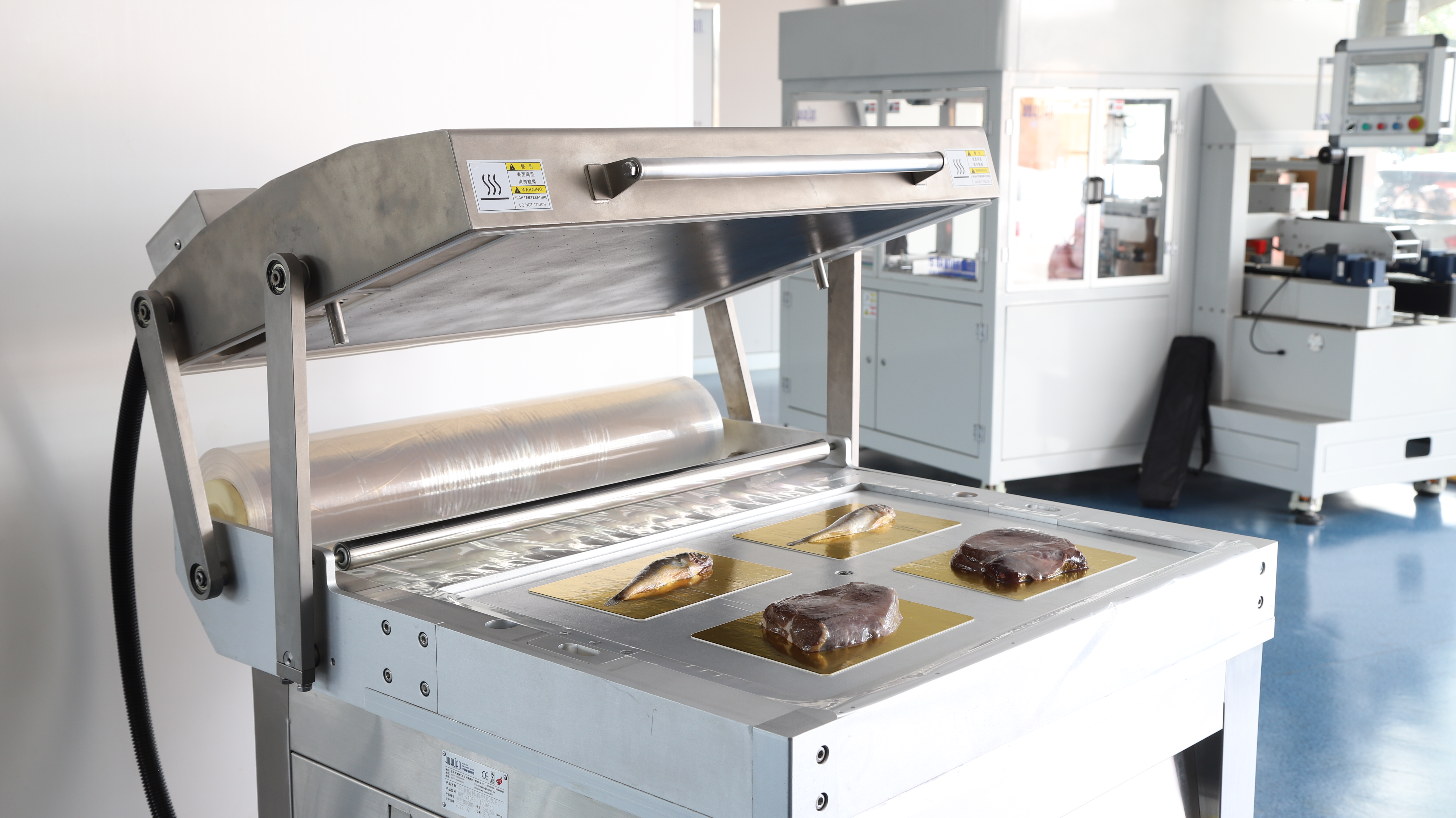
The parts for vacuum packaging systems are manufactured for years of usage; however, their efficient operation is only possible when maintenance is done properly. Regular inspections will help detect problems in advance. The replacement of broken oil pumps or valves will be cheaper than purchasing a new machine.
For food producers, hygiene is essential. The food particles, liquids, oils, and other contaminants can accumulate inside the equipment if the machine is not cleaned and inspected regularly. Cleaning helps to avoid the formation of bacteria and prevents contamination between different batches of production.
Most often, the failures of equipment happen due to the neglect of small problems. Thus, the dirty sealing bars may lead to improper sealings, and the contaminated oil can decrease the efficiency of the vacuum pump. During the preventive maintenance, these problems will be detected and solved.
Before you begin each shift, start with a visual inspection. Check for:
Chamber cleanliness
Condition of the sealing bar
Wear and tear of the silicone strip
Gasket of the chamber
Alerts from the control panel
Detecting problems before starting production can help avoid expensive downtime.
After production ends, you should:
Turn off the power following safety standards at the facility.
Get rid of any scraps and residues.
Wash all surfaces inside the chamber using recommended food-grade cleaning products.
Carefully clean sealing bars without damaging heating components.
Sanitize all food-contact surfaces.
The sealing system is always exposed to high heat. For this reason, check weekly the state of the heating wire, seals, bar alignment, and Teflon tape. Replacement of the relatively cheap wear parts will avoid production downtime.
Check walls and lid of the chambers for any cracks, surface defects, corrosion or mechanical wear. Any problem that affects the airtightness should be fixed right away.
Vibrations and constant operation may cause electrical connections to come loose. The maintenance crew must ensure the good state of cables, terminals, and sensors. Detected electrical problems are usually simpler and cheaper to fix.
The operation of oil-lubricated pumps requires clean oil. You need to verify that your oil level, oil color, moisture build-up, and contaminants are all in order. Healthy vacuum pump oil should usually be either clear or lightly colored. Oil that is dark, cloudy or milky usually signifies some contamination.
The frequency of inspections will depend on operating conditions; monthly inspections are a good place to start for most manufacturing facilities.
The replacement of oil varies by how the machine is operated, what kind of product it deals with, and the general operating conditions. Some facilities that process products that have a lot of moisture might have to change their oil more often compared to those packing dry products.
It is important to replace the oil using the manufacturer's recommendations. This involves using the right type of oil, disposing of the old one properly, and checking for any leaks after refill.
Intake and exhaust filters in vacuum pumps prevent dirt and other debris from entering the system. Clogged filters may cause reduced airflow, high energy consumption, slow vacuum cycles, and even early wear of the pump. Inspection and cleaning of filters on a monthly basis will greatly increase efficiency.
Choosing the right vacuum pump oil is crucial for optimal performance because using the wrong one can cause accelerated wear, reduced pump line, and higher maintenance costs.
If your packaging line is set up in a cold storage facility, a meat processing plant, or a facility where the ambient temperature routinely sits below 10°C (50°F), VM32 is your go-to.
Standard oils tend to thicken up and become sluggish when they get cold, which puts an incredible amount of strain on the pump motor during startup. VM32 has a lower viscosity, meaning it stays fluid and flows easily even in chilly environments.
If your packaging line is set up where the room temperature sits comfortably between 15°C and 30°C (59°F to 86°F), VM68 is the preferred choice. It's thick enough to provide a robust sealing film and protect internal components under normal operating loads, but fluid enough to circulate efficiently without causing unnecessary drag.
On the flip side, if your machine is running heavy, continuous shifts in a hot environment (above 30°C or 86°F), or packaging hot-fill products that transfer ambient heat to the machine, you need VM100.
Heat thins the oil out. If you use a standard oil in a hot environment, it becomes too watery to create a proper vacuum seal or protect the moving parts. VM100 is a higher viscosity oil designed to maintain its body and lubricating properties even when the pump gets scorching hot, preventing metal-on-metal friction when the machine is working at its hardest.
The heating plates (or sealing bars) are tasked with providing the precise combination of heat, pressure, and time necessary to bond the plastic films together.
First, the heat should be spread evenly throughout the entire length of the plate. Any hot spots or cold spots on the plate will lead to undermelting and overmelting of the plastic film, respectively.
Additionally, the pressure exerted by the sealing bar should be even as well. In case the plate is warped, out of alignment, or backed up by a worn silicone rubber strip, there will be areas where the pressure is low, resulting in gaps in the seal.
To prevent sudden breakdowns, here’s a weekly checklist routine you should adopt:
Inspect the Teflon Tape (PTFE Fabric): Inspect the Teflon fabric that protects the heating elements. Search for any burned, torn, or punctured places. When the tape gets burned, the plastic bag will stick to the heating element, damaging the seal and the element itself.
Check the Heating Wires/Elements: Make sure the ribbon or wire underneath the Teflon tape lies flat without warping or localized discoloration (this may indicate a hot spot).
Examine the Silicone Rubber Strips: Inspect the counter-pressure silicone rubber strip, which lies on the other side of the sealing bar. It needs to be clean, resilient, and free of any deep grooves created by heating wire.
Verify Alignment and Leveling: Inspect the sealing bars visually – they should align perfectly. An out-of-line sealing bar would create uneven pressure.
Clean Off Residue: Wipe down the sealing area with a dry or slightly damp cloth (when the machine is cold!) to remove any plastic residue, dust, or product splatter.
Weekly inspection of the rubber profile should be done in order to check if there are any signs of cracking, flattened areas, or foreign material that compromises the seal between the lid and the body of the machine.
The causes of vacuum loss include degraded gaskets on the lid, poorly aligned hinges, and product residue causing air gaps on the seal strip.
Push the replacement gasket firmly and evenly into the groove without stretching it. Make sure the corners are seated properly without bunching, and cut the excess for clean butt joints.
Listen for hissing sounds, extended pull down time, early movement of the gauge needle, or swelling of the package right after the process is completed.
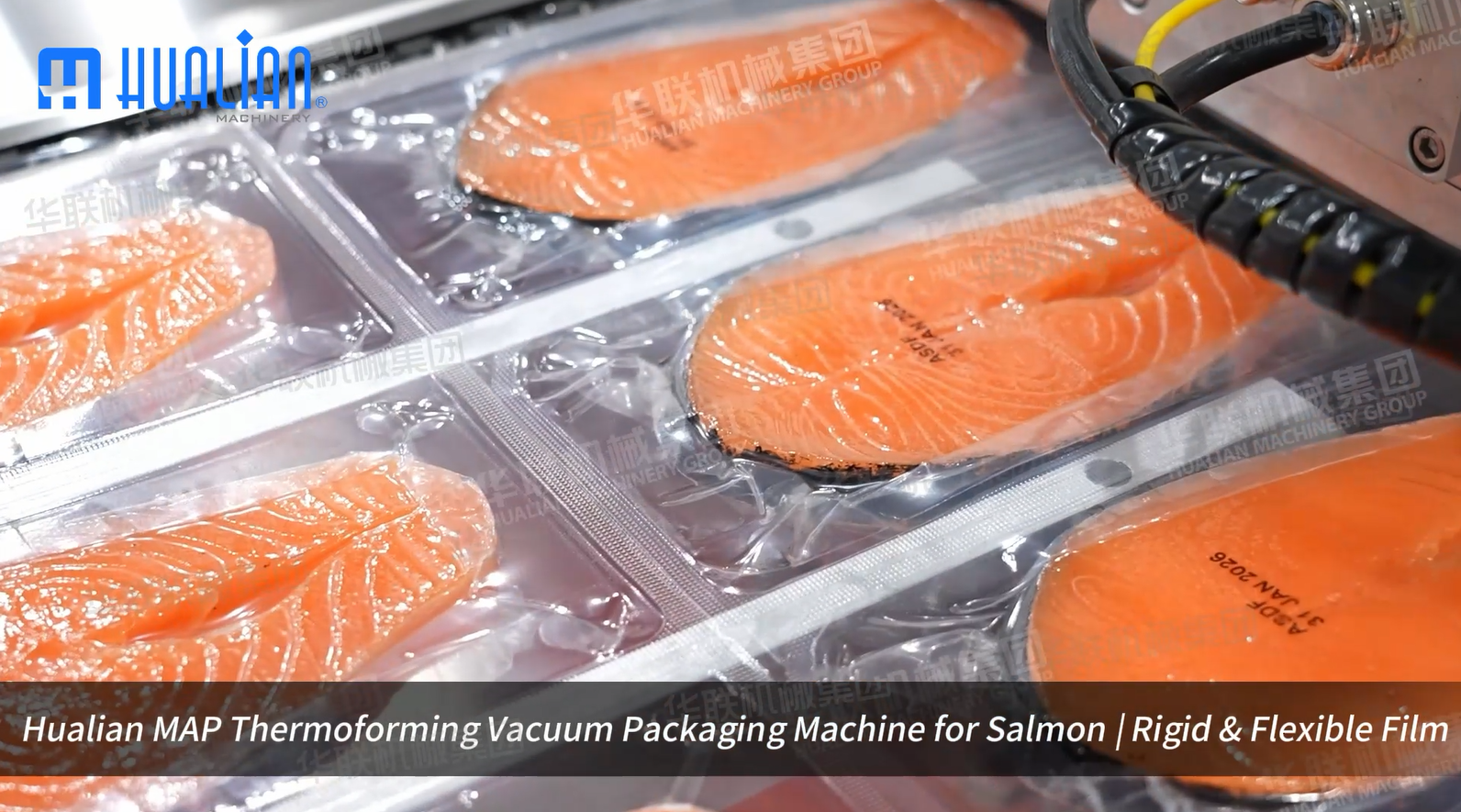
For the chamber vacuum sealer, keep an eye on these specific components:
Wireless Heat Sealing Assemblies: A standout feature of this model is its wireless sealing design. However, the contact points that bridge the power to the bar when the lid closes are high-frequency wear areas. Keep these contacts free of oxidation and debris to ensure consistent current flow.
Extra-Deep Chamber Gaskets: The deep-well design accommodates larger product volumes, which exert distinct pressure dynamics on the chamber seal strip. Watch for flattening around the corners where the lid meets the deeper frame.
Double-Layer Tempered Glass Cover Seals: Since this machine utilizes a heavy, dual-layer glass cover, the hinge tension and cushioning seals absorb more physical impact upon closing. Monitor the buffer pads to prevent glass-on-metal stress.
Here are some cleaning considerations to adhere to:
Utilize the Vacuum Pump Cleaning Function: The chamber vacuum sealer features a built-in pump cleaning function, which is a massive advantage for a compact system. Because smaller machines are prone to pulling moisture and contaminants, running this function regularly flushes out contaminants and prevents moisture from emulsifying the pump oil.
Inclined Plate: The included inclined plate must be removed and washed separately after handling liquids or powders. Liquids that spill into the ultra-deep chamber pool at the very bottom, if left uncleaned, can breed bacteria and corrode the internal chamber walls over time.
Tempered Glass & Touch Panel Maintenance: The precise touch control panel and double-layer glass cover require non-abrasive care. Avoid harsh chemical sprays that can degrade the touch sensor's responsiveness or scratch the viewing glass, which would compromise your ability to visually monitor the packaging process. Wipe down with a microfiber cloth and a mild, food-safe sanitizer.
The heartbeat of a double-chamber machine's efficiency is its ability to swing the heavy vacuum lid back and forth between the left and right chambers smoothly. The Double Chamber Vacuum Packaging Machine uses SUS304 stainless steel square rods, short shafts, and specialized connecting rods to support that heavy, 3mm arched lid.
To maintain this, you should do the following:
Lubricate frequently so that the pivot joints, short shaft, and connecting rods are not left dry.
Check the balance springs and alignment.
Keep the swing path clear of debris, moisture, or plastic trimmings.
Achieving that deep, ultimate vacuum pressure of less than 1Kpa requires a completely flawless airtight seal across a massive perimeter. The double chamber vacuum packaging machine has a large chamber size (720x550mm), which means there is a lot of surface area where an air leak can develop.
Look for Compression Sets: Because the 3mm thick stainless steel lid is heavy, it presses down on the chamber gaskets with massive force, cycle after cycle. Over time, the rubber gasket can lose its bounce and stay permanently flattened. Check the seal weekly to ensure it still has enough elasticity to rebound and create a tight pocket.
Inspect the Long Sealing Corners: Air leaks in large double chambers almost always start in the corners of the lid gasket. When cleaning, pay special attention to the corners to ensure the strip hasn't started to pull out of its machined groove or bunch up, which prevents the lid from seating perfectly flat.
Regularly inspect the continuous belt track and alignment. Adjust the conveyor height mechanism smoothly to ensure liquid-filled bags remain upright, preventing spills and drive chain binding during high-speed production.
Wipe down the 1020mm dual sealing bars daily. Clear all moisture, grease, or product residue from the water-cooling system channels to ensure consistent thermal transfers and strong bag fusion.
A vacuum packaging machine must be maintained because it is a way of enhancing productivity, quality of product, safety of food, and efficiency of operations. A machine that is properly maintained will create strong seals, create a consistent vacuum, reduce downtime, and have a longer lifespan. Lack of proper maintenance results in high costs of operation and unnecessary breakdowns of machines.
Hualian Machinery offers a complete range of vacuum packaging solutions. Explore our options and contact our expert team to find one that meets your needs.
The vacuum packaging machine should be cleaned after each day of operation to avoid the accumulation of food residue, bacteria, and molds.
Yes, but only using deionized (DI) or ultra-pure water along with vacuum chamber detergents such as Micro-90.
A properly maintained vacuum packaging machine can serve for 10-15 years.

 English
 简体中文
简体中文 ไทย
ไทย Pусский