Views: 0 Author: Site Editor Publish Time: 2026-05-29 Origin: Site


Table of Content
What Flow Wrapping Actually Does
What Makes Flow Wrapping Different From Other Packaging Methods?
Quick Comparison: Flow Wrapping vs. Other Packaging Methods
Flow Wrapping vs. Vertical Form-Fill-Seal Packaging
Flow Wrapping vs. Shrink Wrapping
Flow Wrapping vs. Tray Sealing
Flow Wrapping vs. Vacuum Packaging
Flow Wrapping vs. Thermoforming Packaging
Quick Buyer Guide: Which Method Fits Your Product?
Where Flow Wrapping Works Best
When Flow Wrapping May Not Be the Best Fit
Not every product needs to be dropped into a bag, sealed in a tray, vacuum packed, shrink wrapped, or placed into a formed cavity. Some products simply need to move forward in a steady line, stay in position, and receive a clean film wrap around their shape.
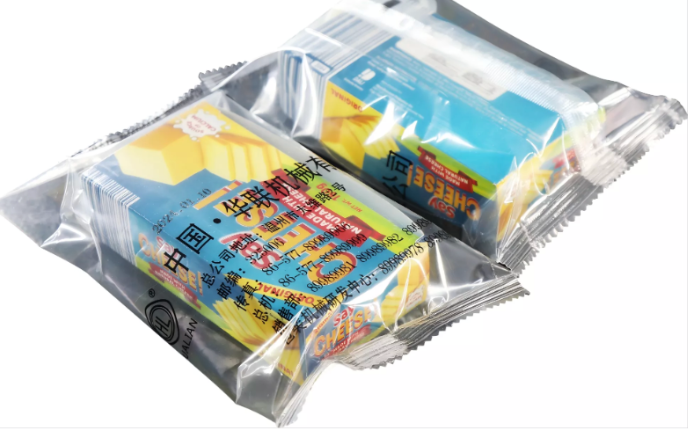
That is where flow wrapping packaging technique becomes useful. Flow wrapping is not a universal replacement for every packaging method. It works best when the product has enough shape and stability to move horizontally through a machine without constant adjustment.
This guide compares flow wrapping with vertical form-fill-seal packaging, shrink wrapping, tray sealing, vacuum packaging, and thermoforming packaging so you can choose the format that best matches your product, film, line layout, and production goals.
Flow wrapping is a horizontal packaging method where products move along a conveyor and are wrapped in film before being sealed and cut. It is commonly used to create pillow-style packs or similar horizontal film packs around individual or grouped products.
In a typical flow wrapping process, the product travels forward on an infeed system, enters the film path, is wrapped in film, sealed along the length of the pack, sealed at the ends, and cut into finished units. The product stays visible and supported as it moves through the line, which makes flow wrapping practical for products that need controlled placement.
Flow wrapping is usually strongest when your product has a stable shape and can move through the machine in a consistent position. Bakery products, biscuits, bars, soap, hardware, trays, and similar items often fit this style because they do not need to be poured, vacuum packed, or placed inside a rigid tray before sealing.
Flow wrapping is not defined only by the finished pack. The main difference is the product path.
With flow wrapping, the product moves horizontally, stays visible to the operator or feeding system, and is wrapped while it travels through the machine. This makes it different from methods where products fall into bags, sit inside trays, enter vacuum chambers, pass through shrink tunnels, or get placed into formed cavities.
The product path matters because it affects product damage, feeding accuracy, pack appearance, labor needs, and line speed. A biscuit that needs to remain aligned may not work well in a vertical bagging machine. Loose rice may not need a horizontal wrapper. A ready meal may need tray support. Fresh meat may need vacuum or MAP protection. A multipack of bottles may need shrink wrapping rather than a pillow-style film pack.
The best packaging method depends on how your product should be handled before the pack is sealed.
Packaging Method | How the Product Moves | Best For | Main Limitation |
Flow wrapping | Horizontally through a wrapper | Solid, stable, individual, or grouped products | Not ideal for loose, liquid-heavy, or unstable products |
VFFS | Vertically into a bag | Powders, granules, snacks, liquids, pastes, tablets | Less control over product orientation |
Shrink wrapping | Wrapped and passed through heat shrink | Bundles, cartons, boxes, bottles, trays | Usually more of an outer wrap than a primary pillow pack |
Tray sealing | Product sits in a pre-made tray | Ready meals, fresh food, seafood, meat, portioned products | Requires tray inventory and tray-film compatibility |
Vacuum packaging | Air is removed from the pack | Meat, seafood, cheese, prepared foods | Not needed for products where presentation or speed matters more |
Thermoforming packaging | Product sits in formed rollstock cavities | Products needing formed packs, vacuum, or MAP support | More involved setup than simple wrapping |
Now, let’s get into more details.
Flow wrapping moves products horizontally through the machine. The product is carried forward on a conveyor or infeed system, enters the film path, and is wrapped as it travels through the line.
Vertical form-fill-seal packaging, or VFFS, works differently. In VFFS, roll film forms a vertical bag, and the product is dropped or fed into the bag from above through a forming tube. The machine then seals and cuts the pack.
This difference makes VFFS more suitable for loose products, while flow wrapping is better for items that need to keep their shape or position.
VFFS often works well for:
Powders
Granules
Snacks
Nuts
Rice
Seeds
Tablets
Liquids
Pastes
Small loose products
Flow wrapping often works better for:
Biscuits
Bread
Bars
Soap
Hardware
Trays
Medical items
Grouped solid products
Regular-shaped retail products
If your product pours, flows, or can be dosed into a bag, VFFS may be more practical. If your product needs to stay aligned as it is wrapped, flow wrapping may be more suitable.
The easiest way to decide between flow wrapping and VFFS is to ask one question: should the product fall into the package, or should the film wrap around the product as it moves?
If the product can be weighed, dosed, poured, or pumped into a bag, VFFS may give you a simpler packaging route. If the product must remain oriented, supported, or visible as it enters the film, flow wrapping is usually the better starting point.
Flow wrapping creates a sealed film pack around the product as it moves through the machine. The film becomes the main package, and the product is sealed inside a pillow-style or similar horizontal pack.
Shrink wrapping uses heat to shrink film tightly around a product after sealing or wrapping. The film tightens around the item or bundle as it passes through a shrink tunnel.
Shrink wrapping is often more focused on:
Product bundling
Outer protection
Tamper resistance
Tight external covering
Multipack handling
Flow wrapping is more focused on creating a finished film pack around an individual or grouped product.
Flow wrapping is usually better for single products or grouped products that need a clean retail pack. This may include bars, biscuits, bakery items, soap, hardware, or other items with a stable shape.
Shrink wrapping is often useful for:
Boxes
Bottles
Multipacks
Cartons
Trays
Books
Cosmetics
Products needing a tighter external film layer
If you need a neat primary film pack, flow wrapping may be the better option. If you need a tight protective outer wrap or bundle, shrink wrapping may fit better.
Use flow wrapping when the film pack itself is the primary package. Use shrink wrapping when the product needs a tight protective outer wrap, tamper-evident covering, or bundle support.
For example, an individual biscuit bar may be flow wrapped. A group of bottles or cartons may be shrink wrapped. A tray of products may first be sealed or packed, then shrink wrapped for bundling or distribution.
Shrink packaging can involve shrink tunnels, L-sealers, side sealers, sleeve wrappers, and fully automatic shrink systems depending on whether the goal is bundling, outer wrapping, or retail protection.
Flow wrapping wraps the product directly in film. The product itself must have enough structure to move through the machine and support the finished pack shape.
Tray sealing places the product in a pre-made tray and seals film over the tray. The tray provides the pack structure before sealing happens.
This difference matters when the tray is part of the value. Tray sealing may be more suitable when the product needs support, portion control, liquid control, shelf-life protection, or a cleaner tray-based retail display.
Flow wrapping may fit:
Regular-shaped solids
Grouped items
Bakery products
Bars
Hardware
Medical items
Products that can move horizontally
Tray sealing may fit:
Ready meals
Fresh food
Seafood
Meat
Prepared foods
Products with sauces or liquids
Products needing tray support
If the product can be presented and protected in a film pack without a tray, flow wrapping may be enough. If the product needs tray structure, portion control, liquid control, or tray-based shelf-life packaging, tray sealing may be better.
Use flow wrapping when the product can travel horizontally and does not need a rigid base. Use tray sealing when the product needs the tray to hold shape, separate portions, contain liquid, or support display.
For example, a cereal bar may only need a clean horizontal wrap. A ready meal usually needs a tray because the product may contain sauce, multiple components, or a portioned structure. A seafood portion may also benefit from tray sealing if display and liquid control matter.
For tray-based packaging, Hualian Machinery’s tray sealer options are useful when your product needs sealing-only, MAP, vacuum sealing, or skin packaging around a pre-made tray.
Flow wrapping is usually used for film wrapping, presentation, handling, and basic product protection. It helps create a clean pack around a product that can move horizontally through the machine.
Vacuum packaging solves a different problem. It removes air from the package to reduce oxygen exposure and improve product protection. This can help with storage life, freshness, and tighter protection for certain foods or products.
Flow wrapping and vacuum packaging are not interchangeable. One is mainly about wrapping and presentation. The other is mainly about air removal and preservation.
Flow wrapping fits products that need a neat film pack and controlled horizontal feeding. It is often used for solid, stable products where presentation, speed, and pack consistency matter.
Vacuum packaging fits products where air removal helps storage life or freshness, such as:
Meat
Seafood
Cheese
Prepared foods
Some perishable items
Products needing tighter protection
If your main goal is speed, presentation, and a clean film pack, flow wrapping may be suitable. If your main goal is air removal, shelf-life support, or tighter product protection, vacuum packaging is usually the better method.
Use flow wrapping when the product does not need the air removed and can be protected well enough in a sealed film pack. Use vacuum packaging when reducing oxygen exposure is central to the packaging result.
For example, a soap bar may not need vacuum protection. A cheese block or meat portion may benefit from vacuum packaging because air removal supports storage and product protection.
When air removal is the real packaging goal,a vacuum packaging machine is more relevant because it includes vacuum packaging options such as single chamber, desktop, continuous vacuum, skin vacuum, tray MAP, and thermoforming systems.
Flow wrapping wraps film around a product as it moves horizontally through the machine. The product already has the shape it needs for packaging. The film wraps around it and creates the finished pack.
Thermoforming packaging forms cavities from rollstock film, loads products into the formed cavities, seals the top film, and cuts finished packs. The machine creates the pack structure during the packaging process.
That makes thermoforming more involved than flow wrapping. It does not only wrap around the product. It forms the pack cavity first, then seals the product inside.
Flow wrapping is better where products already have a stable shape and mainly need film wrapping. It works well for items that can move forward in a steady line and do not need a formed cavity.
Thermoforming is better where the product needs:
A formed cavity
Vacuum or MAP support
Tighter pack control
More integrated rollstock packaging
Better product fit inside a shaped pack
If your product can move through a horizontal wrapper and does not need a formed cavity, flow wrapping may be more practical. If the package shape, forming depth, shelf-life control, or product protection requires a formed pack, thermoforming may be the better option.
Use flow wrapping when the product is stable enough for horizontal wrapping. Use thermoforming when the pack structure needs to be created around the product.
For example, an individual bar, biscuit, or soap can often be flow wrapped. Meat, seafood, cheese, medical items, or portioned products may need thermoforming if the pack requires a cavity, vacuum, MAP, or tighter control over product fit.
Thermoforming packaging machine becomes relevant if your packaging process needs film forming, product feeding, vacuuming or gas flushing, sealing, and cutting in one system, thermoforming is a different solution from simple horizontal wrapping.
The easiest way to choose is to start with how the product should move before sealing.
Product or Packaging Need | Method to Consider | Why |
Product is solid and stable | Flow wrapping | It can move horizontally and receive a clean film wrap |
Product is loose or pourable | VFFS | It can be weighed, dosed, and dropped into a bag |
Product needs tight outer covering | Shrink wrapping | Shrink film can tighten around the product or bundle |
Product needs tray support | Tray sealing | The tray provides shape, portion control, or display support |
Product needs air removal | Vacuum packaging | The pack removes air for better protection |
Product needs formed cavities | Thermoforming packaging | The pack structure is formed from rollstock film |
Product must stay aligned | Flow wrapping or HFFS | Horizontal movement helps maintain position |
Product has liquid or sauce | Tray sealing | A tray can contain liquid and support sealing |
Product is fragile | Flow wrapping or tray sealing | The best method depends on whether it needs support or a gentle path |
This table is only a starting point. You still need to check product behavior, film compatibility, sealing method, output target, and line layout before choosing the final machine.
Flow wrapping usually works best when the product is solid enough to travel horizontally and consistent enough to be fed into the film path without constant adjustment.
It is a strong option when your product needs:
Clean retail presentation
Steady horizontal feeding
Consistent pack appearance
Efficient line speed
Individual or grouped product wrapping
Basic film protection
Controlled product orientation
Suitable products may include biscuits, bread, bars, soap, trays, medical items, hardware, and regular-shaped consumer goods. The product should be stable enough to stay positioned as it moves through the infeed and wrapping area.
Flow wrapping can also work well when you want a simple, clean pack around a product that already has its own shape. You do not need to create a tray, remove air, or form a cavity. You need the product to move forward, receive film, seal cleanly, and exit the line in a consistent pack.
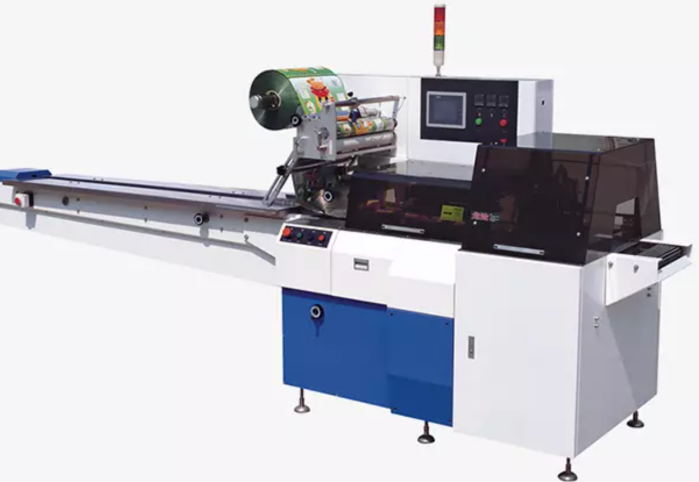
For many stable products, a horizontal wrapper such as the DXDZ-450X Down Paper Pillow Type Automatic Horizontal Packaging Machine fits this kind of flow pack requirement because the product moves through a horizontal wrapping path and is packed in a pillow-type format.
Flow wrapping may not suit products that cannot stay stable on a conveyor or infeed system. If the product shifts, breaks, sticks, spreads, or loses shape while moving horizontally, the finished pack may look poor or cause machine stoppages.
Another packaging method may be better for:
Loose products that need dosing
Powders or granules
Liquid-heavy products
Products that need rigid tray support
Products that require strong vacuum protection
Products that need shrink bundling
Products that need formed cavities
Products that cannot stay aligned on a conveyor
Fragile products may still use flow wrapping, but they require careful feeding. You need to check whether the product can move through the in-feed without breaking or losing presentation. If it cannot, tray sealing, thermoforming, or another supported packaging method may be safer.
The product’s movement through the machine should decide whether flow wrapping is realistic. Do not choose it only because the finished pack looks clean or because the machine seems fast. If the product cannot be fed smoothly, speed and appearance will not hold up in real production.
Flow wrapping is not better or worse than other packaging methods by default. It is best understood as a horizontal wrapping method for products that can move steadily through a line and need a clean film pack.
Other methods may make more sense when your product needs vertical filling, tray support, vacuum protection, shrink bundling, or formed rollstock packaging. VFFS works better for products that can be measured and dropped into bags.
Shrink wrapping works well for tight external covering or bundling. Tray sealing supports products that need a pre-made tray. Vacuum packaging is stronger when air removal matters. Thermoforming packaging is better when the pack needs formed cavities and more integrated protection.
The right choice depends on product movement, fragility, pack style, shelf-life needs, film compatibility, floor space, output target, and downstream handling.
If you need help matching the right packaging method to your product, film, line layout, and production goals, Hualian Machinery can help you compare the available options and build a packaging setup that fits your product’s real handling needs.
Flow wrapping is best used for solid, stable products that can move horizontally through a packaging line. Common examples include biscuits, bars, bread, soap, medical items, hardware, trays, and grouped retail products that need a clean film pack.
No. Flow wrapping seals film around a product as it moves through a horizontal packaging machine. Shrink wrapping uses heat to shrink film tightly around a product or bundle after wrapping or sealing.
Not always. Flow wrapping is better when the product needs horizontal movement, alignment, or a clean wrap around its shape. VFFS is usually better for loose, pourable, or measured products such as powders, granules, rice, snacks, liquids, and pastes.
Yes. Flow wrapping is commonly used for food products such as biscuits, bread, bars, bakery items, confectionery, and some grouped foods. However, products that need strong shelf-life support, tray structure, or vacuum protection may require another packaging method.
Start with product movement. If the product can move horizontally and stay stable, flow wrapping may work. If it needs dosing, choose VFFS. If it needs a tray, consider tray sealing. If it needs air removal, use vacuum packaging. If it needs a formed cavity, consider thermoforming packaging.

 English
 简体中文
简体中文 ไทย
ไทย Pусский